Blog
Emery Scouring Cloth Roll: Grit, Bond and Material Removal


Emery Scouring Cloth Roll are described by numbers that all look similar on a listing and behave very differently in use. Sorting out which of them actually matters is what this page sets out to do.
Prices here start at $8.99 and reach $26.97 across 8 options. Where the step between two options is small, the difference is usually a size; where it is large, the specification has changed.
The range at a glance
Starting with the whole range rather than the first option makes the rest of the page much quicker to read, because the size of the choice is visible from the outset.
| Item | This listing | What it tells you |
|---|---|---|
| Options available | 8 options | Each option is priced separately |
| Price band | $8.99 to $26.97 | The step between options is the specification change |
| Size or capacity span | 1 to 5 m | Read the ladder below before choosing |
| Units used in the options | mm, m | The units you will be comparing against the job |
| Format | Variable product | How the options are structured on the site |
Sizing it to the job
Sizing is where most purchases are won or lost, and it is decided by the job rather than by the catalogue.
| Dimension | What it decides | How to choose |
|---|---|---|
| Grit or grade | Scratch size, and how fast material comes off | A sequence rather than a single number |
| Backing or bond | How it survives heat, pressure and edges | Paper for finish, cloth and fibre for load |
| Diameter and fitment | Which machine it mounts on and how much it covers | Matched to the tool’s guard and spindle |
The ladder below groups the options as they actually run, from the smaller end of the range to the larger, so the step between one part of the range and the next is visible at a glance.
| Part of the range | Size or capacity | Price | Where it suits |
|---|---|---|---|
| Smaller half | 1 to 2 m | $8.99 to $18.17 | Everyday work |
| Larger half | 3 to 5 m | $23.91 to $26.97 | Heavier work |
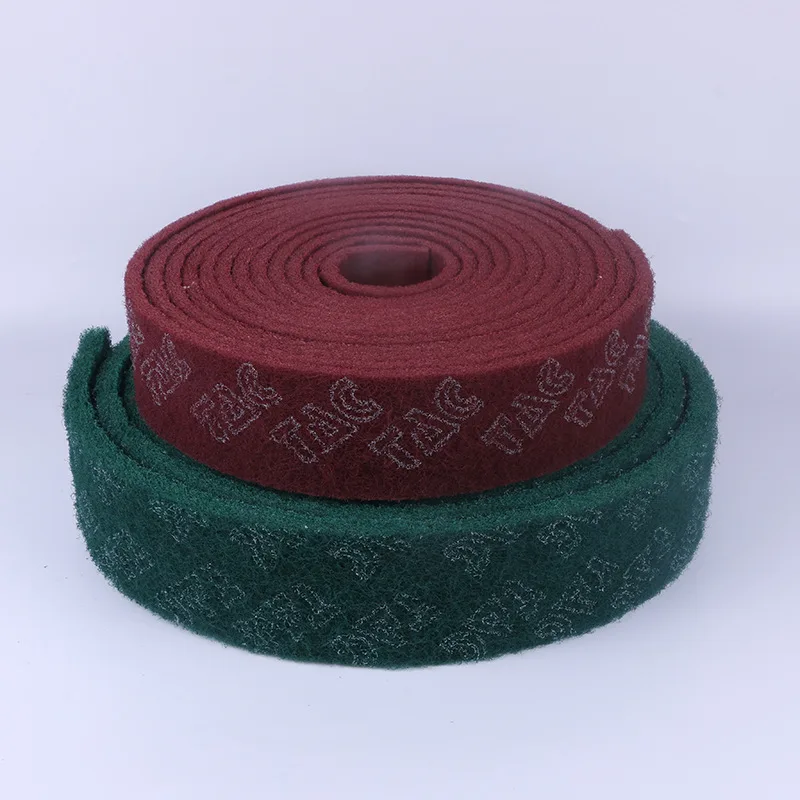
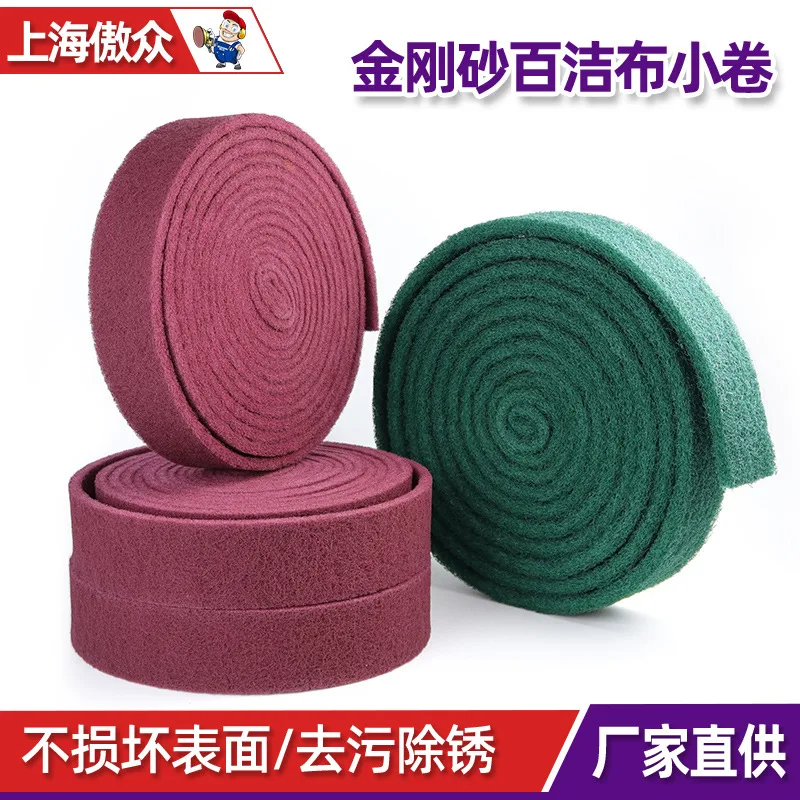
The Emery Scouring Cloth Roll listing
Here is that same product on the site, showing live pricing and every option currently available.
What to check when it arrives
Nothing here takes more than a minute, and each row corresponds to a fault that is far cheaper to find now than after the first job.
| Check | Why it matters | What good looks like |
|---|---|---|
| Rated speed is above the machine | An over-speed disc can shatter | A speed figure clearly above the tool’s |
| Grain suits the material | The wrong grain glazes or loads instantly | One grain for steel, another for stone |
| Backing is flat and undamaged | A bent disc runs out and cuts badly | Flat, with no creases or water damage |
| Fitment matches the machine | A disc that does not seat square is dangerous | Correct bore, flange and spindle size |
| Bond releases grit as it dulls | A hard bond glazes and burns the work | Bond matched to the material’s hardness |
| Storage keeps them flat and dry | Damp backing loses its strength | Sealed, flat, away from the floor |
Where these go wrong
These are the failures worth knowing before they happen, because the early sign is always cheaper to act on than the late one.
| Symptom | Likely cause | What to do |
|---|---|---|
| Disc loads or glazes | Wrong grain, too fine a grit, or too much pressure | Change the grain, then reduce pressure and let the abrasive cut |
| Work discolours or burns | Too fine a grit, or a hard bond on hard material | Step back a grit and use a softer bond |
| Abrasive wears unevenly | Disc running out of true, or the work held at an angle | Check the flange and hold the tool flat |
| Finish shows scratches from earlier work | A grit was skipped in the sequence | Repeat the sequence and do not jump more than one step |
Abrasives and finishing in practice
Abrasives are consumed deliberately, so the cost that matters is the cost per part finished rather than the cost per disc. A product that cuts cooler and lasts longer is usually the cheaper one.
Grit is a sequence, not a single choice. Skipping a step leaves scratches that the next grit has to remove, and that work is what wears out both the abrasive and the operator.
The backing or the bond decides where the abrasive can be used. The same grain on paper, on cloth and in a vitrified wheel behaves completely differently under load.
Ordering for a team or a season
Past a single unit the question stops being which option and becomes how many, and the answer comes from consumption rather than from the price list.
Quoting works on quantity, so it pays to give the number required and the date it is needed together instead of asking for a unit figure and negotiating afterwards.
Frequently Asked Questions
A short set of answers to the questions buyers ask most often about emery scouring cloth roll.
How do I choose a grit?
From the finish you need and the material you are removing, then work in steps. Jumping more than one grit at a time leaves scratches that cost more time to remove than the skipped step saved.
Why does the disc glaze instead of cutting?
Usually too fine a grit for the material, a bond that is too hard, or too much pressure. A glazed disc slides rather than cuts, and it heats the work instead of removing it.
Does the backing matter?
It decides where you can use the abrasive. Paper suits flat finishing, cloth and fibre take pressure and edges, and the wrong backing fails at the worst moment.
What is the danger with discs?
Over-speed and damage. A disc run faster than its rating, or one with a hidden crack, can shatter, which is why the speed check and the pre-mount inspection matter more than the price.
Cheap or branded?
Compare cost per finished part rather than per disc. Where the abrasive keeps cutting instead of glazing, the counted cost usually favours the better product.
Keeping it working
The routines below are short because the failures that matter are few, predictable and easy to prevent.
- Store discs flat and dry; damp backing fails suddenly.
- Check the rated speed against every machine before mounting.
- Let the abrasive cut; pressure glazes the grain and burns the work.
- Keep belts and discs away from oil and water-based coolant.
- Inspect for cracks before mounting and discard anything suspect.
- Blow dust out of the machine after every session.
Ordering and what happens next
The listing carries the current price for every option. Nothing in this range is hidden behind a request for a quote.
The Emery Scouring Cloth Roll page carries the current stock and the price of every option in this range.
Delivery is calculated by weight and destination at checkout, and the shipping policy sets out the services and typical transit times.
Buying the specification that matches the work costs less than buying twice, and it is the only way the price band below makes sense.