Blog
Electric High Branch Shears: Choosing the Right Option

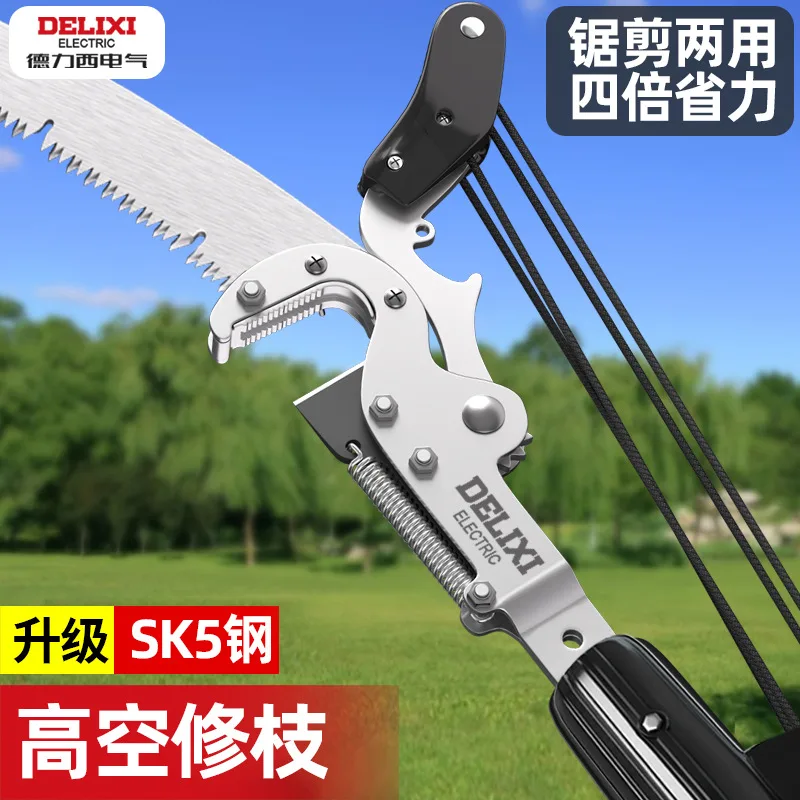
This guide answers the questions that come up before the money is spent on electric high branch shears: what the figures mean, which option covers the work, and what to look at once the parcel is open.
There are 12 options in this range, running from $8.99 at the entry point to $26.97 at the top. Reading the option ladder before deciding is what keeps the purchase to one order.
The range at a glance
Before the detail, it is worth seeing the shape of the range. The figures below come from the listing itself rather than from a summary written alongside it.
| Item | This listing | What it tells you |
|---|---|---|
| Options available | 12 options | Each option is priced separately |
| Price band | $8.99 to $26.97 | The step between options is the specification change |
| Size or capacity span | 1 to 6 m | Read the ladder below before choosing |
| Units used in the options | Mixed | The units you will be comparing against the job |
| Format | Variable product | How the options are structured on the site |
Sizing it to the job
Work through these in order. Changing a decision later usually means changing the order, which is why the dimensions are worth settling before anything else.
| Dimension | What it decides | How to choose |
|---|---|---|
| Cutting capacity | The thickest branch or stem it closes on cleanly | Sized above the usual work, not at it |
| Reach | How far the work can be done from the ground | Long reach keeps the job off a ladder |
| Weight and balance | How tiring it is over an hour of use | Lighter for reaching, heavier for cutting |
The ladder below groups the options as they actually run, from the smaller end of the range to the larger, so the step between one part of the range and the next is visible at a glance.
| Part of the range | Size or capacity | Price | Where it suits |
|---|---|---|---|
| Smaller end of the range | 1 to 2 m | $8.99 to $10.49 | Light and occasional work |
| Middle of the range | 3 to 5 m | $26.97 to $26.97 | The sizes most buyers settle on |
| Larger end of the range | 5 to 6 m | $26.97 to $26.97 | Heavy or continuous work |
The Electric High Branch Shears listing
The item this page is built around is listed below, with its current price and the full set of options.
What to check when it arrives
The table below is the arrival check. It is short, and every row has caught a genuine problem for somebody.
| Check | Why it matters | What good looks like |
|---|---|---|
| Blade is sharpened and set | A new tool that will not cut has been dropped in transit | Clean cut on a test stem |
| Pivot or bearing has no play | Movement at the joint destroys the cut | No wobble when the handles are worked |
| Handles are sound and sealed | Split timber or cracked grips fail under load | Solid, sealed, no movement at the ferrule |
| Replacement blades or parts listed | Wear is concentrated in one place | Spares sold for the model |
| Mechanism suits the growth | Bypass for living wood, anvil for dead | The action matched to the work |
| Spring and latch return properly | A stuck latch is how injuries happen | Smooth, positive return |
Where these go wrong
Read the symptom first and the cause second. The instinct to add force or buy a replacement is usually the wrong first move.
| Symptom | Likely cause | What to do |
|---|---|---|
| Blades crush instead of cutting | Anvil action used on living wood | Switch to a bypass tool for green growth |
| Cut is ragged or the tool jams | Dull edge, crossed blades or a worn pivot | Resharpen at the original bevel and reset the pivot |
| Handle splits at the ferrule | Damp storage and load at the joint | Replace the handle; do not tape and continue |
| Sprayer clogs or pulses | Dried residue or a blocked filter | Rinse after every use and clean the nozzle filter |
Garden and farm in practice
Garden and farm equipment is bought for the season, not the afternoon. What survives is the tool whose blade, bearing or handle can be replaced where it wears.
Cutting capacity is the figure that matters most. A tool rated for a thicker branch than you actually cut will do the work with less effort and less damage to the plant.
Comfort decides whether the work gets finished. Weight, reach and grip are what stop an hour in the garden becoming a reason to stop early.
Ordering for a team or a season
Past a single unit the question stops being which option and becomes how many, and the answer comes from consumption rather than from the price list.
Quoting works on quantity, so it pays to give the number required and the date it is needed together instead of asking for a unit figure and negotiating afterwards.
Frequently Asked Questions
These are the questions that come up before an order is placed on Electric High Branch Shears.
Bypass or anvil?
Bypass for anything living, because it slices cleanly and the plant seals the wound. Anvil pruners crush and suit dead or dry wood, where a clean cut matters less.
How do I pick the size?
Start from the thickest stem you cut in a normal week and choose a capacity above it. Working a tool at its limit is what dulls edges, strains handles and slows the job.
Why does the tool lose its edge so quickly?
Usually the blade was used on the wrong material, or on wire and grit. Sap, soil and staples do more damage to an edge than wood does.
Should I buy the long reach version?
If the work is above head height or across a bed, yes. It keeps the job off a ladder, and a ladder is the part of garden work that causes the accidents.
How do I keep it working for years?
Clean, sharpen and oil, and buy the model whose blades are sold separately. A tool with replaceable blades is a tool that stays in service.
Keeping it working
Upkeep here is measured in minutes, but it is what decides whether the item is still in use in five years.
- Clean sap off blades with solvent, then oil them.
- Sharpen only at the existing bevel, and only on one side.
- Drain and rinse sprayers after every use, especially with herbicide.
- Oil the pivot and spring so the action stays light.
- Store cutting tools closed, oiled and off the floor.
- Check the ferrule and handle joint before heavy work.
Ordering and what happens next
Because the options are priced individually, it is possible to order exactly the specification required rather than the nearest bundle.
The Electric High Branch Shears page carries the current stock and the price of every option in this range.
If the choice comes down to two options, take the larger only where the work is likely to grow; otherwise take the smaller and put the difference into consumables.
The practical method is to write down the two or three figures that matter, hold them against the option list, and ignore everything else on the page.