

Blog
How to choose a cordless drill that lasts

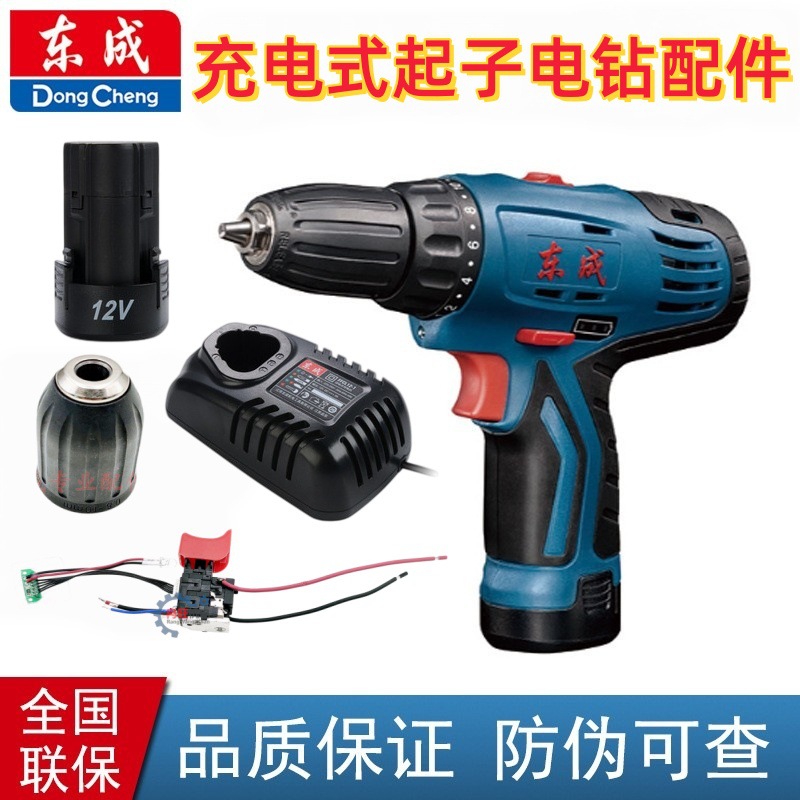
Walk into any tool shop and the first number you will see on a cordless drill is its voltage. It is also the least useful one. Voltage tells you how many cells are in the battery pack, not how hard the tool will drive a screw.
Look at torque, not voltage
Torque is measured in newton metres (Nm) and it is the figure that decides whether a drill will drive a 100 mm timber screw or stall halfway in. For general assembly work, 30-50 Nm is plenty. For decking, framing and heavy fastening, look for 60 Nm and above.
Chuck size sets your drill bit range
A 10 mm chuck takes the common 1-10 mm bits used for furniture and light metalwork. A 13 mm chuck accepts the larger shanks you need for hole saws and masonry bits. If you only buy one drill, buy 13 mm.
Battery platform is the long-term decision
Batteries outlive drills. Choose a platform with a wide range of tools and you can add a grinder, a sander or an impact driver later on the same packs. Two 2.0 Ah batteries will cover most jobs; go to 4.0 Ah if you are drilling all day.
Brushless or brushed?
Brushless motors run cooler, last longer and give more runtime per charge. They cost more up front, but on a tool that gets used weekly they pay for themselves. For occasional DIY use, a brushed motor is perfectly adequate.
Every cordless drill in our drills range lists its torque, chuck size and battery platform, so you can compare like for like.