Blog
Bench Vises, Clamps and Riveters: Workholding at the Bench


Workholding is the part of bench work nobody photographs and everybody depends on. A vise that is too small flexes, a clamp that creeps lets the joint move, and a riveter that is the wrong size deforms the rivet instead of setting it. This guide covers the vises, clamps, riveters and pullers we stock, and how to match holding force to the job.
Workholding has to do three things
- Resist movement. A vise or clamp has to hold a part against the force of the tool, not just locate it. Any movement shows up as chatter, a wandering drill or a bad weld.
- Protect the part. Hard jaws mark finished surfaces. Soft jaws, pads or a wood block spread the load.
- Leave your hands free. The point of a clamp is that it holds the work while both hands are on the tool.
Vises, clamps and riveters
| Tool | Best for | Watch out for |
|---|---|---|
| Bench vise | Sawing, filing, drilling and assembly at the bench | Jaw width and opening must suit the part |
| Clamps | Gluing, welding and holding during assembly | Cheap clamps creep, letting the joint move |
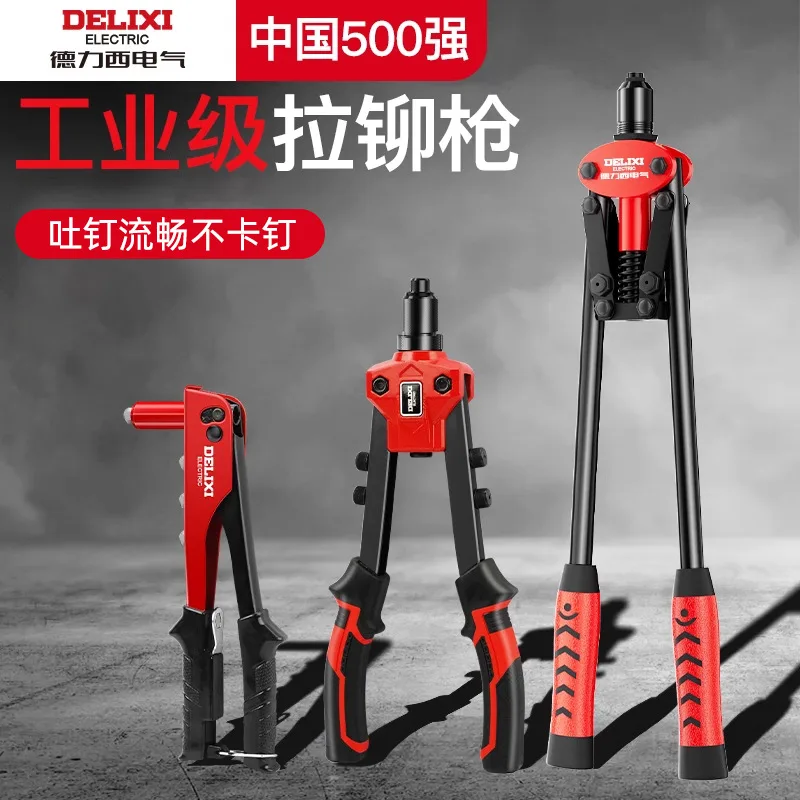
| Hand riveter | Blind rivets in sheet and hollow sections | Nose piece and rivet diameter must match |
| Pullers | Gears, bearings, pulleys and bushes | Force must be axial and even |
Bench vises
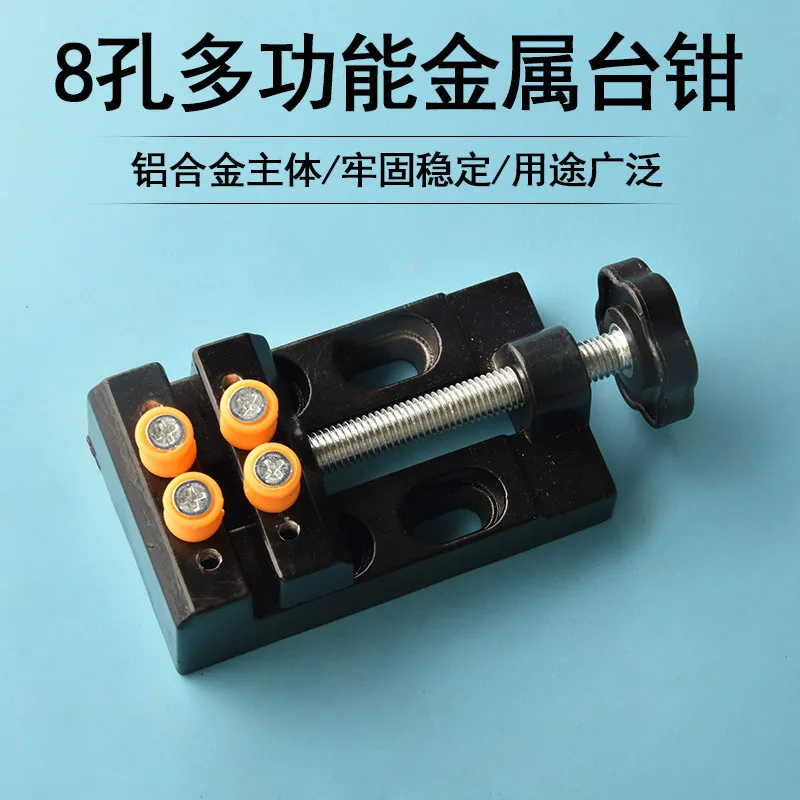
Bench vises in a range of sizes are the anchor of the bench, and the two numbers that matter are jaw width and maximum opening. A wide jaw holds wide parts and spreads the load; a deep opening holds long parts. A second range of bench vise sizes covers lighter or heavier work. Fix the vise so the top of the jaws sits roughly at your elbow height, because a vise that is too low makes every saw stroke inaccurate and every file stroke tiring.
Clamps
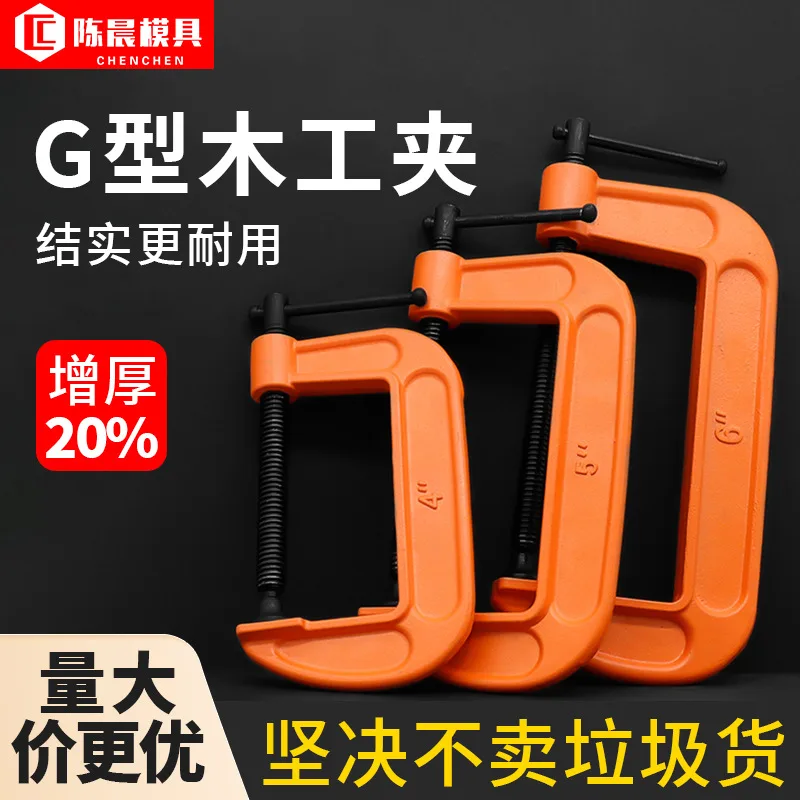
Clamping tools hold a joint while adhesive sets or while a weld cools, and the number to check is clamping force, not bar length. A second range of clamps covers smaller or lighter work. A clamp that creeps under load is the reason a glue joint opens or a tacked frame moves, so buy a clamp that holds its position rather than the cheapest one that fits.
Riveters and pullers
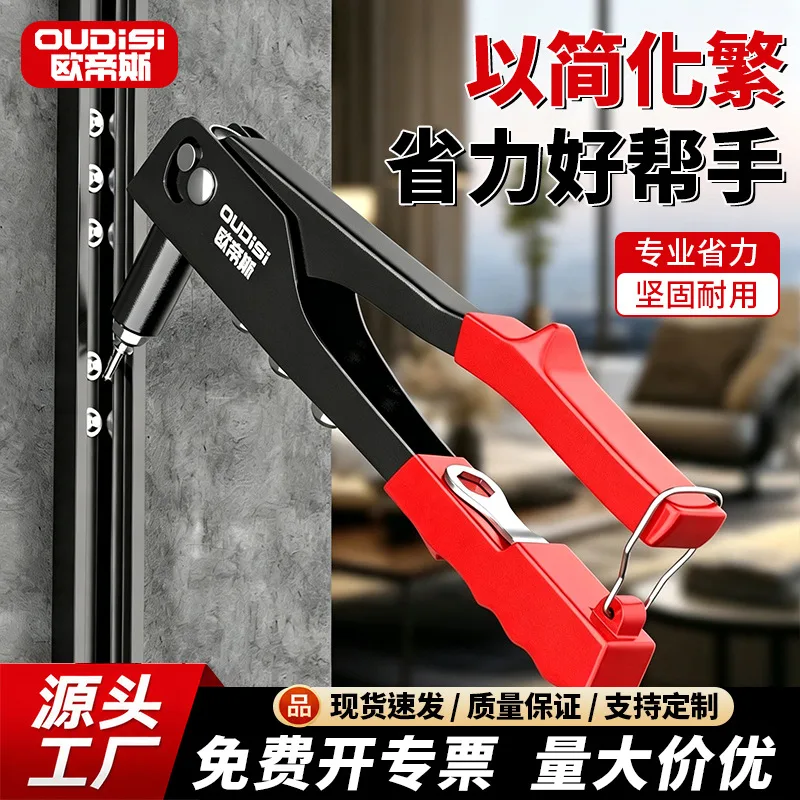
Hand riveters with different rivet capacity set blind rivets in sheet and hollow section where a bolt cannot be reached from behind. A wider range of riveter and nose piece sizes matters because the nose piece must match the rivet diameter: the wrong nose piece deforms the mandrel head instead of pulling it. For disassembly, pullers in 100, 150, 200 and 250 mm sizes draw a gear, bearing or bush off a shaft, and a second range of pullers covers lighter work. Force must be applied axially; a puller used at an angle bends the legs and can damage the shaft.
Bench accessories
Other bench tools cover the small items that make a bench work: hold-downs, bench dogs and accessory clamps. Further bench accessories fill the gaps in a bench setup. These are cheap compared with the cost of a part moving under a tool, and they are the difference between a bench that holds work and a bench you fight.
Setting up so the work does not move
Three rules prevent most workholding failures. First, match the vise or clamp to the load: holding a heavy part in a small vise means the vise, not the part, becomes the weak link. Second, protect finished surfaces with soft jaws, fibre pads or a piece of timber, and remember that the pressure needed to hold a part is usually less than you think. Third, work out the direction of force before you start: a cut that pushes the part sideways needs a stop, not just a clamp, and a drilled part needs support underneath as well as grip. A part that moves under a drill does not just spoil the hole, it grabs the bit and spins.
Pressure, creep and glue-ups
More clamping pressure is not better. Glue joints need enough pressure to bring the surfaces together and no more, because excess pressure squeezes out the adhesive and leaves a starved joint that fails later. The sign of a badly set clamp is creep: the bar moves under load, the joint opens by a fraction of a millimetre, and the finished part is no longer square. Check clamps by holding a load and watching for movement, keep the screw thread clean so the clamp holds the pressure you set, and use enough clamps spaced evenly rather than one clamp tightened hard. Even pressure across a joint is what makes it hold.
Frequently asked questions
What size bench vise should I buy?
Match the jaw width to your usual work: around 100 to 150 mm covers most bench jobs. Check the maximum opening too, because long parts need depth rather than width.
Why do my clamps slip?
Low clamping force, a worn bar or a dirty screw thread. Clean the thread, and buy clamps rated for the pressure the joint needs.
How do I choose a riveter?
Match the tool and the nose piece to the rivet diameter and material. A riveter working outside its capacity will not pull the mandrel cleanly.
Can I use a puller to remove a bearing without damaging it?
Only if the force is applied to the part that is supposed to carry it, usually the inner race, and kept axial. Pulling on the outer race or at an angle damages the bearing and the shaft.
How do I stop a vise marking my work?
Fit soft jaws, fibre pads or a pair of timber blocks, and use only as much pressure as the job needs. Hard serrated jaws will always mark.
Where to start
Browse the full Hand Tools range, or the wider Hand Tools category if you also need files, saws or striking tools. Tell us what you hold and how much force it takes, and we will point you at the vise, clamp or puller that holds it without damaging it.