Blog
Cordless Screwdrivers, Impact Wrenches, Rivet Guns and Nailers


Fastening is where cordless tools earn their place, because the alternative is a wrist and a screwdriver. But the family has split into very different machines: a screwdriver drives a small screw quickly, an impact wrench breaks a rusted fastener loose, a rivet gun sets a blind rivet, and a nailer drives a pin into timber. This guide covers the cordless fastening tools we stock and how to choose between them.
Four jobs, four machines
- Driving small screws. A cordless screwdriver with a clutch, so the tool stops at a set torque instead of stripping the head.
- Tightening and loosening bolts. An impact wrench, which applies torque in short hammer blows rather than a steady twist.
- Setting blind rivets. A rivet gun that pulls the mandrel and sets the rivet in one stroke.
- Driving pins and nails. A nailer, which fires the fastener rather than pushing it.
Tool comparison
| Tool | Best for | Watch out for |
|---|---|---|
| Cordless screwdriver | Assembly, panels, cabinet work | Torque setting must suit the screw |
| Automatic screwdriver | Repetitive work with a collated strip or feed | Feed jams if fasteners are mixed |
| Impact wrench | Rusted, seized or high-torque fasteners | Over-tightening and damaged threads |
| Rivet gun | Blind rivets in sheet and hollow sections | Nose piece and rivet diameter must match |
| Nailer | Pins and nails into timber | Fastener type and angle must suit the magazine |
Cordless and automatic screwdrivers
Electric screwdrivers in a range of bit and body options cover assembly work, and the clutch is the feature that matters: without one, a cordless screwdriver strips heads and splits timber. A second range of screwdrivers suits lighter or more compact work. Where the job is thousands of identical screws, an automatic screwdriver and a second automatic pattern feed fasteners continuously, which removes the handling step and roughly halves the time per screw.
Impact wrenches
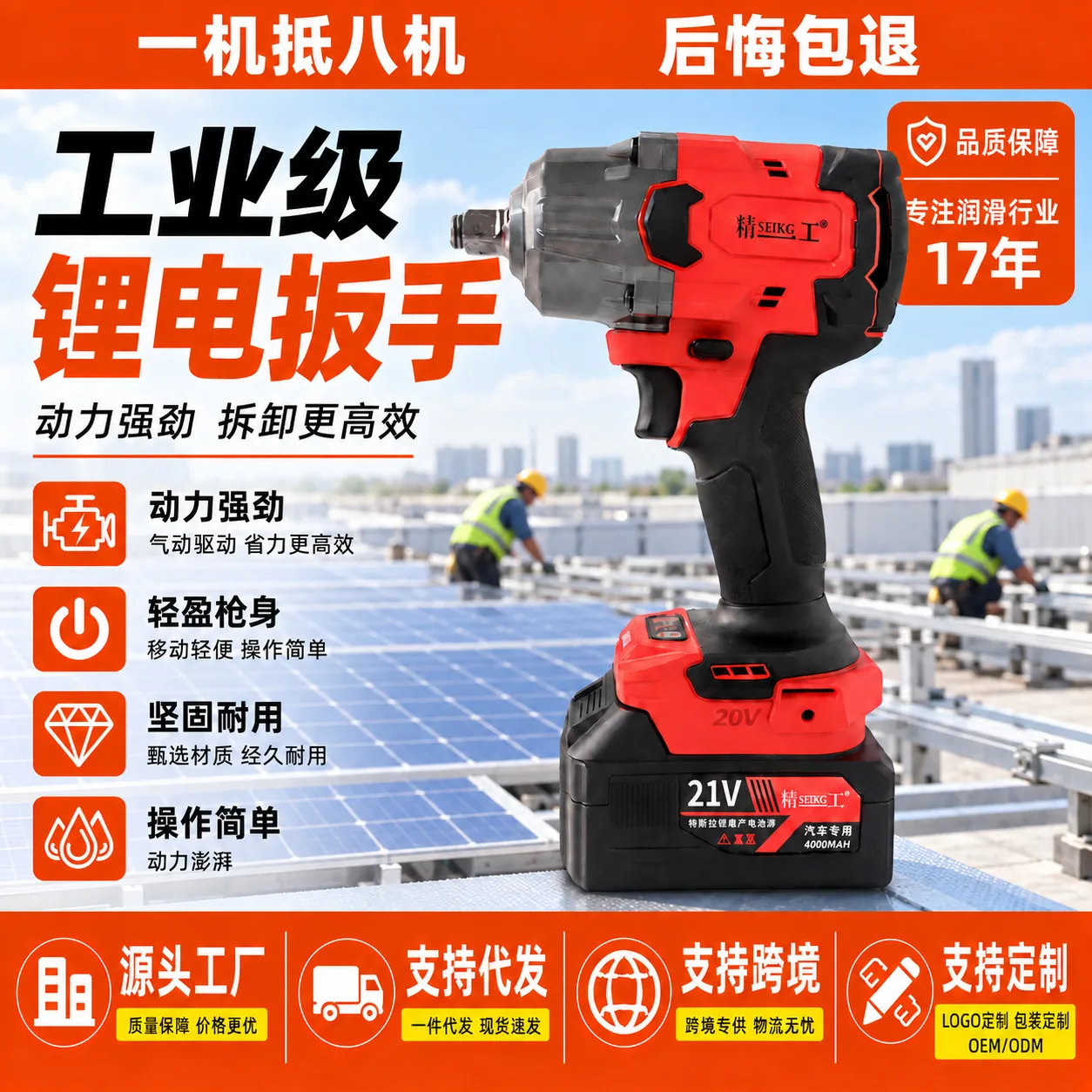
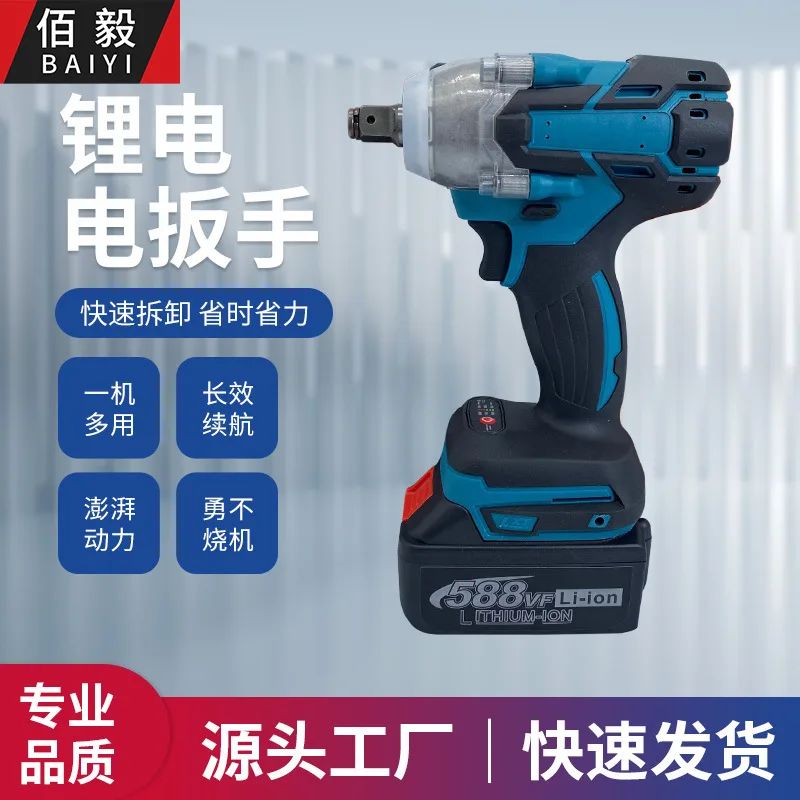
A brushless industrial impact wrench with high torque on a lithium battery is the machine for vehicle repair and scaffolding, where bolts are large, corroded and often tight beyond what a hand tool can shift. A cordless impact wrench for torque tightening covers lighter work. The mechanism delivers torque in impacts, so the reaction on your wrist is far lower than the tightening force would suggest, which is exactly why over-tightening is easy: use a torque setting or a torque wrench to finish the joint properly.
Rivet guns and nailers
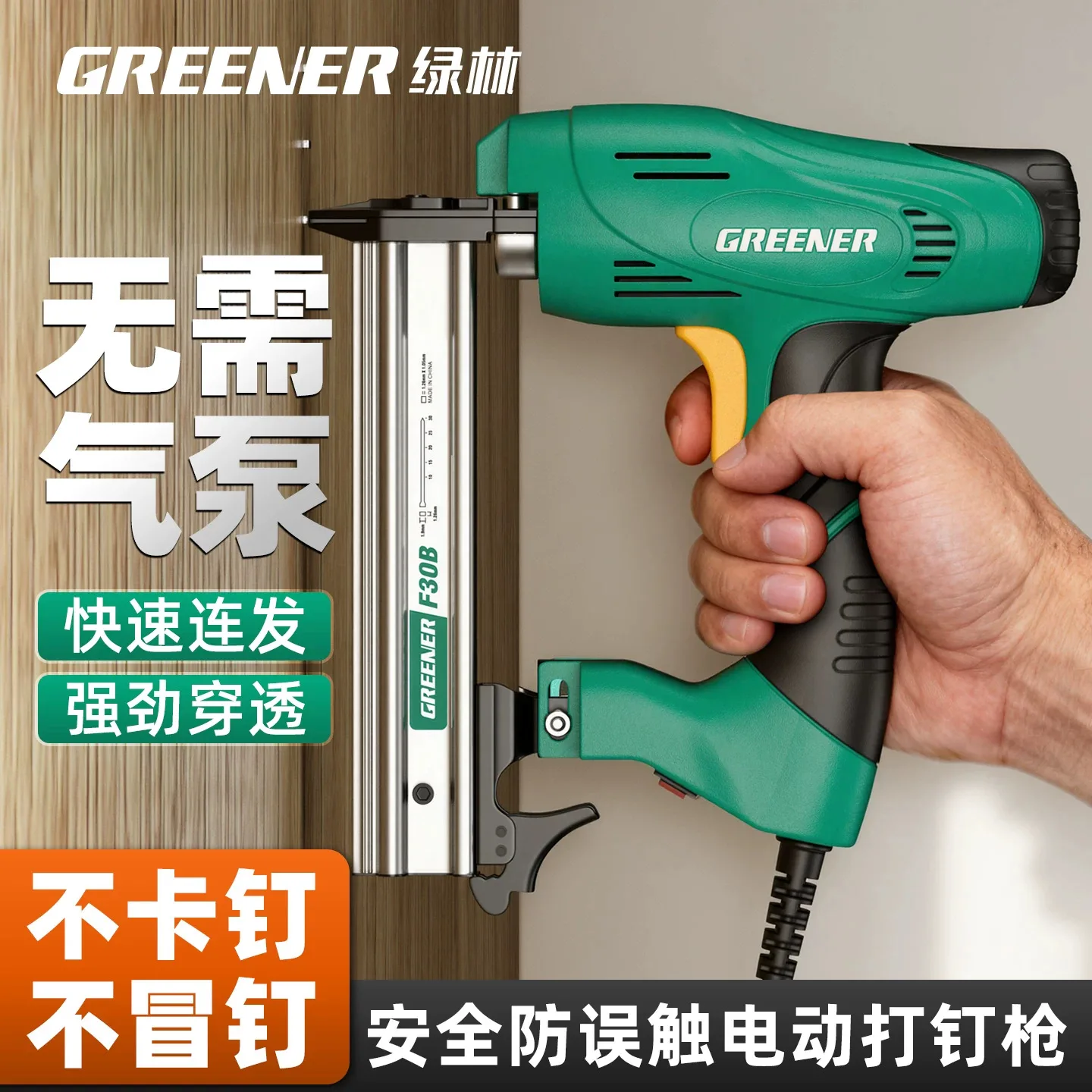
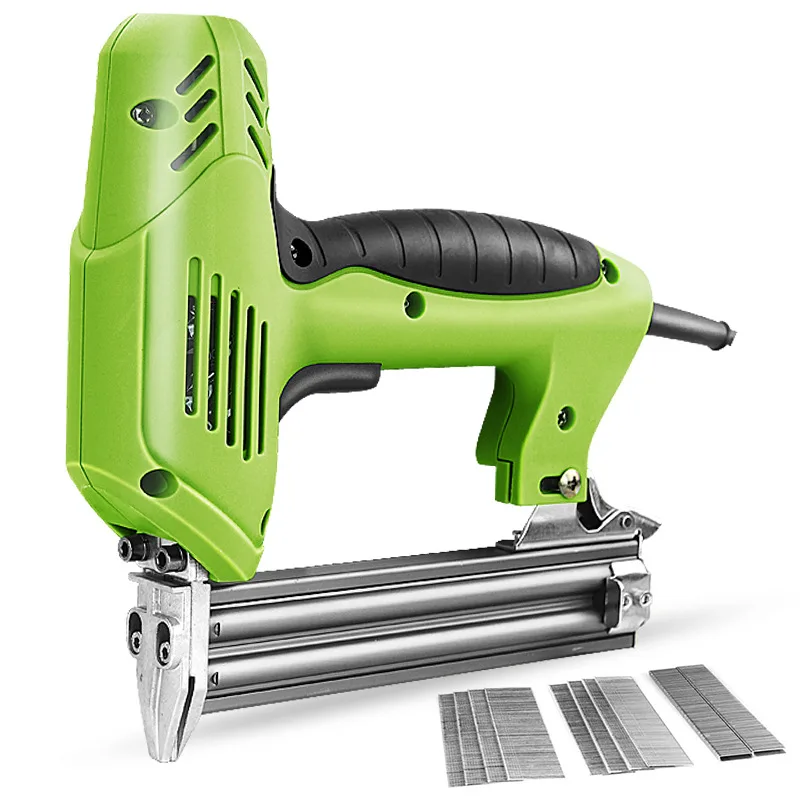
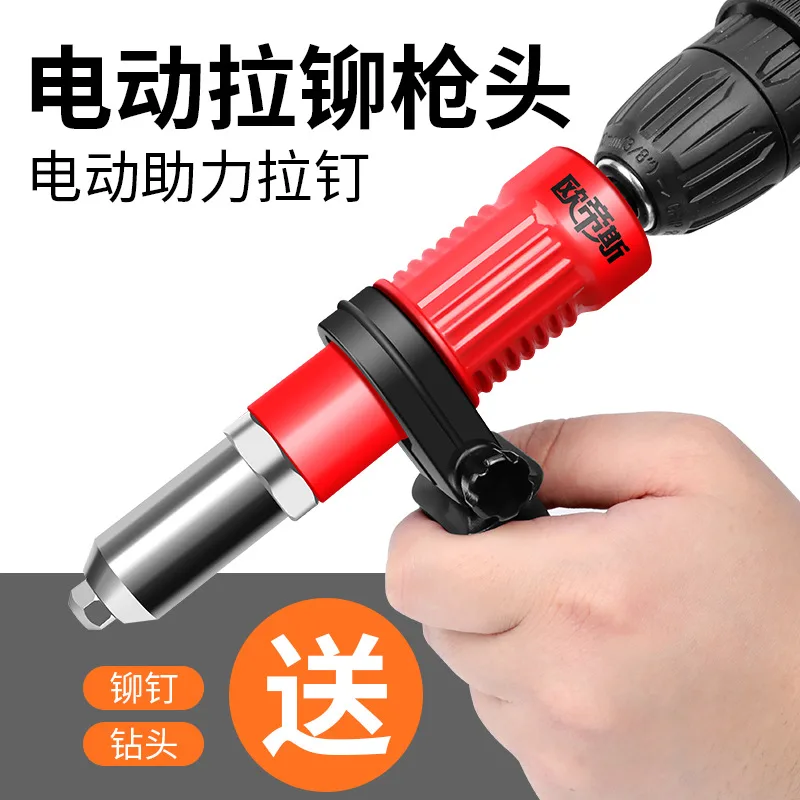
Electric rivet guns in a range of sizes pull a blind rivet into place in one action, which is the only practical way to join sheet where the back of the joint is inaccessible. A simple rivet gun pattern covers occasional work. Electric nail guns fire pins and nails into timber, and a second range of nailers suits different fastener lengths and materials. In both cases the consumable decides the result: a rivet of the wrong diameter deforms the sheet, and a nail of the wrong type splits the timber.
Batteries, torque and the settings that decide the result
- Battery platform. One battery system across several tools is worth more than a small advantage on any single tool, because it decides how often you are waiting for a charger.
- Torque setting. Set the clutch just below the point where the fastener strips or the material deforms, and test on scrap before committing.
- Speed and gear. Two speeds cover most work: high speed for small fasteners, low speed and high torque for large ones.
- Bit and socket quality. A worn bit or a cheap socket rounds the fastener, and the damage is usually blamed on the tool.
Technique that saves threads and timbers
Start fasteners by hand wherever the thread is important, because a cordless tool driving at speed will cross-thread a bolt before you feel it. Keep the tool, the bit and the fastener in line, so the torque goes into turning rather than into side load, and let the tool reach its speed before applying pressure. On an impact wrench, work the fastener loose in short bursts rather than holding the trigger down, because continuous impacting heats the fastener and can shear it. On a nailer, keep the nose seated on the workpiece and keep your free hand well away from the firing line, because a nail that misses the timber has to come out somewhere. Where a fastener has a torque specification, finish the joint with a torque wrench rather than by feel.
Fastener quality and the cost of a bad bit
The cheapest part of a fastening job is the fastener, and it is also the part that decides whether the job holds. A screw with a poorly formed head strips under a cordless driver, a soft bolt deforms before it reaches torque, and a cheap socket rounds the corners it is supposed to grip. Use impact-rated bits and sockets with an impact wrench, because ordinary chrome sockets can shatter under repeated hammering. Keep a stock of the sizes you actually use, replace bits as soon as they feel loose in the screw head, and match the fastener material to the joint: stainless into aluminium, or plain steel outdoors, is a corrosion problem waiting to happen.
Frequently asked questions
Do I need an impact driver or a drill for screws?
An impact driver drives screws with less cam-out and more torque, which suits long screws and hard timber. Use a drill with a clutch for precision assembly and small hardware.
Can an impact wrench over-tighten a bolt?
Yes, easily. Use the lowest setting that moves the fastener and finish to specification with a torque wrench where the joint requires a set value.
What rivet sizes does an electric rivet gun take?
It depends on the model, and the nose piece must match the rivet diameter. Check the capacity range before buying a box of rivets.
Why does my nailer jam?
Mixed fastener lengths, a magazine loaded the wrong way, or the wrong fastener type for the tool. Use the specified fasteners only.
How many screws per battery charge?
It varies with battery capacity, screw size and material. Repetitive work benefits far more from a second battery than from a marginally more efficient tool.
Where to start
Browse the full Power Tools range, or the wider Power Tools category if you also need drills, saws or accessories. Tell us the fastener, the material and how many joints, and we will point you at the machine and the battery platform that fit.