Blog
Air Saws, Shears, Nippers and Chisels: Cutting Sheet on Air

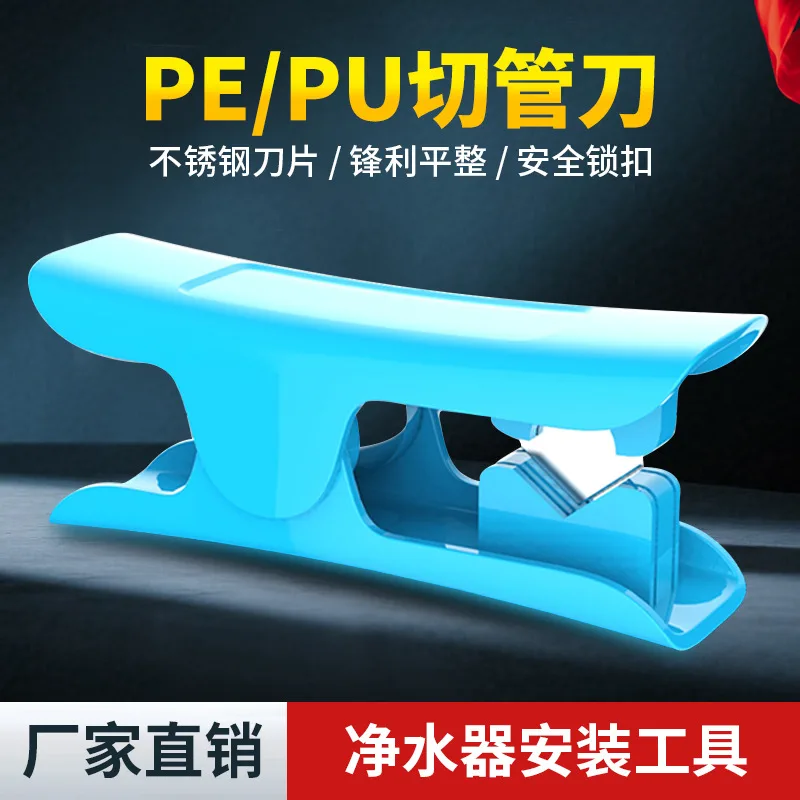
Cutting sheet, panel and trim is repetitive work with a lot of tool changes, and it is the job where air pays for itself fastest. An air tool is light, it starts instantly, it does not need a battery swap in the middle of a panel and it keeps the same performance all afternoon. The choice comes down to how the material fails: sawing leaves a narrow kerf, shearing cuts without swarf, nipping trims an edge, and chipping breaks material away. This guide covers the air cutting tools in this range.
Sawing, shearing, nipping or chipping
| Method | Material | Note |
|---|---|---|
| Air saw | Sheet, panel, pipe, trim | Narrow kerf, curved cuts, some swarf |
| Air shear | Sheet metal, plastic, trim | Cuts clean with no swarf, limited to sheet |
| Pneumatic nipper | Edge trimming, small sections | For detail and tight access |
| Air chisel | Rivets, seized parts, masonry | Impact, not cutting: removes material |
General air cutting tools
Air cutting tools in stainless steel with two configurations and a second air cutting tool range with sixteen options are the general purpose end of the group. These are the tools that live on the bench for panel trimming, hose cutting and light fabrication, where the requirement is a clean edge and a tool that can be picked up and put down twenty times an hour. Keep the cutting edge sharp and the tool oiled: a blunt air shear does not slow down, it simply folds the sheet and makes a mess of the edge.
Air saws
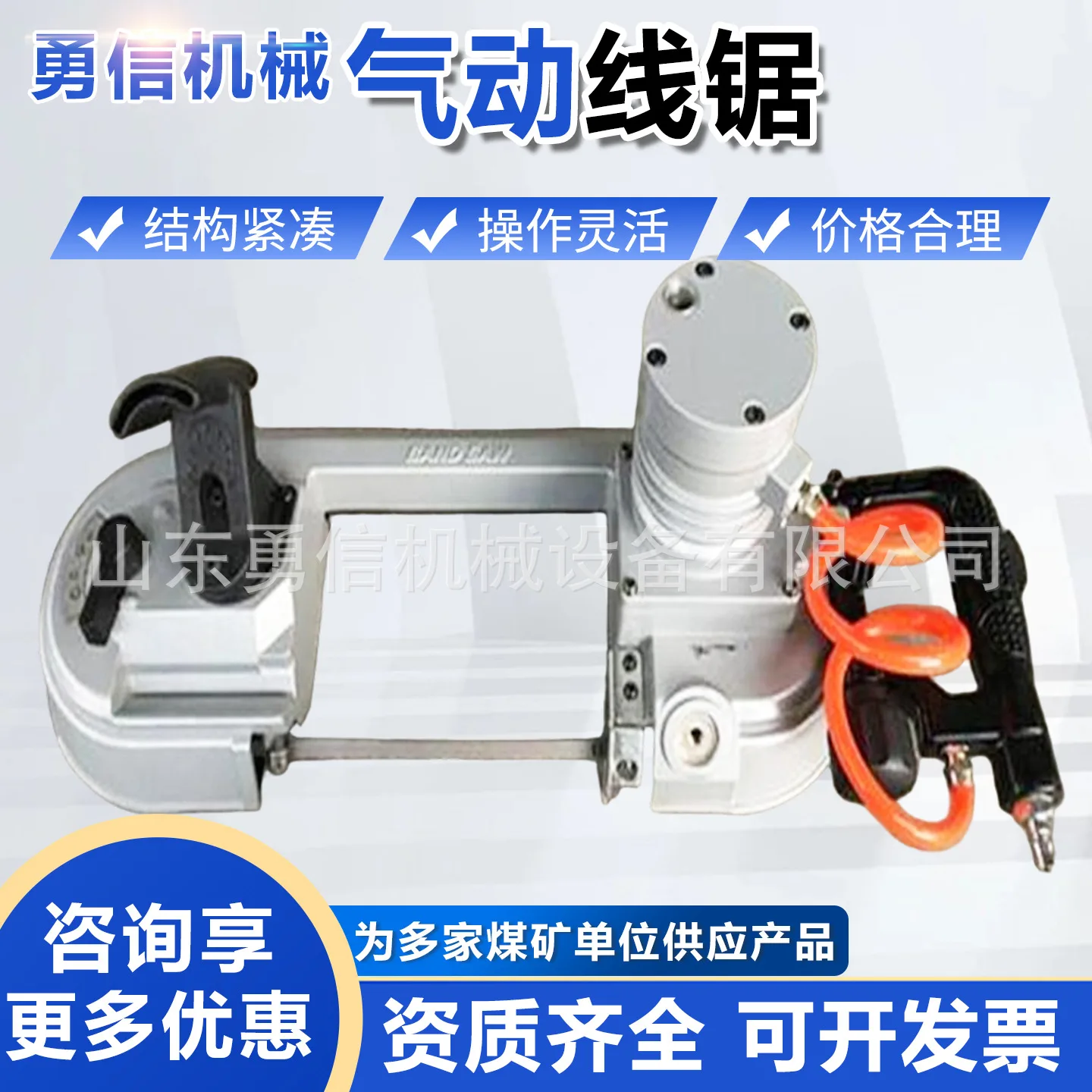
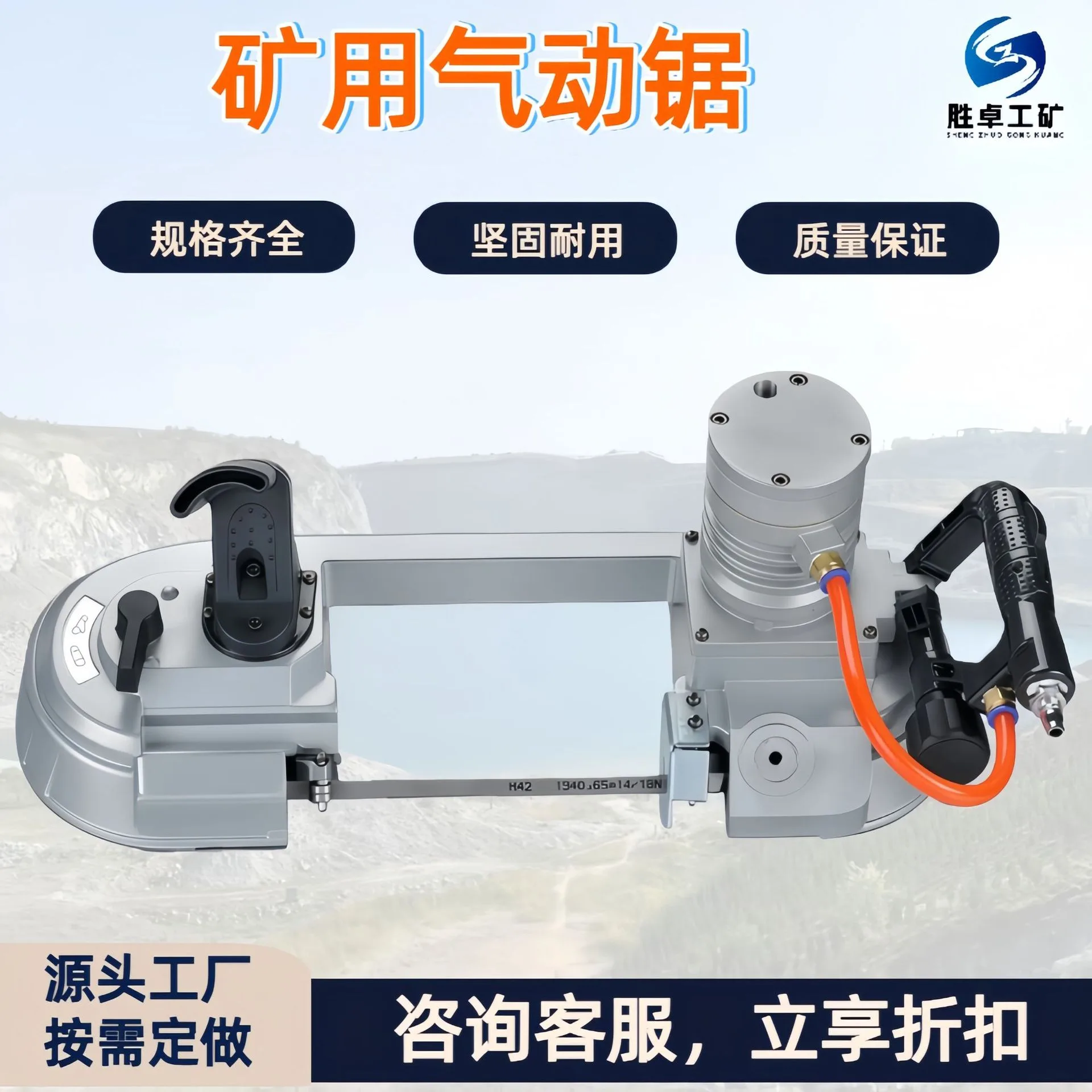
An air saw in 4900 and 1000 sizes with four options and a larger air saw in the 120 size with three options cover cutting where the shape matters. A reciprocating air saw takes a fine blade and follows a line more accurately than a grinder, with far less heat and no burning of paint or coating. It is the tool for cutting a panel out of a vehicle, trimming a pipe in place or freeing a seized bracket without setting the surrounding material alight. Use the correct blade for the material and let the saw run at its own speed rather than forcing it, because an air saw pushed hard simply bends its blade.
Shears and nippers
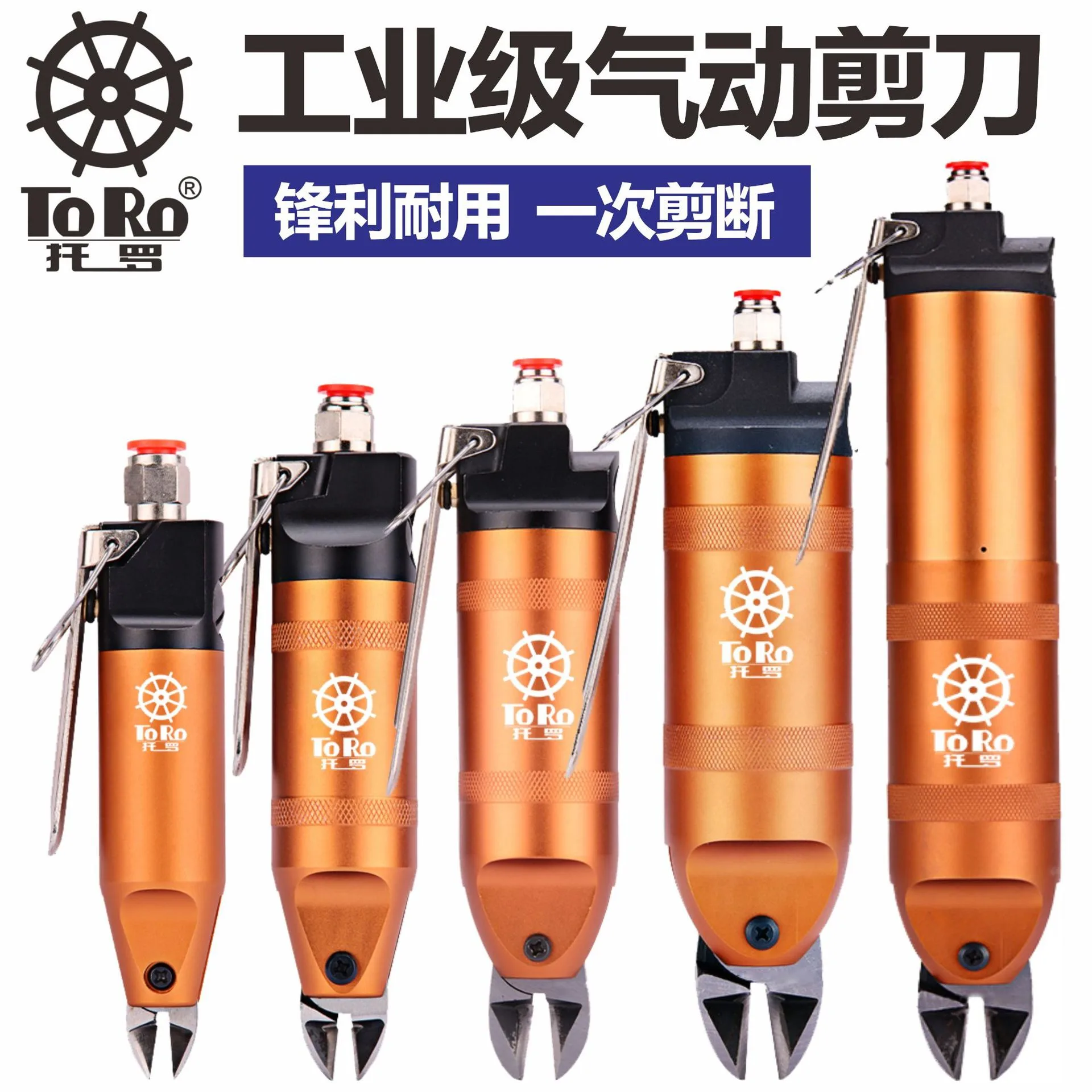
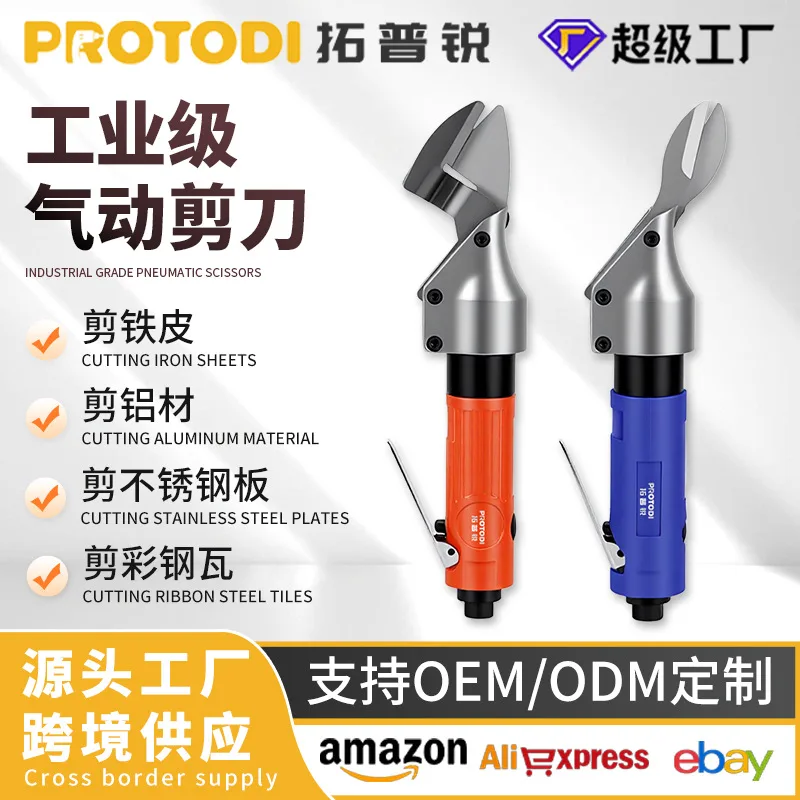
Air shears in the 300 size with seventeen options and a second air shear range with nine options cut sheet without producing swarf, which is the reason they exist. A shear slices the material between two edges, so the cut is clean, the edge is not heat-affected and there is no grinding dust to clean up. The limit is thickness: a shear handles sheet well and solid section badly, and forcing a shear past its capacity distorts the material and damages the blades. Pneumatic nippers with twelve options and a second nipper range with eleven options do the trimming work at the edge of a panel, in a corner or around a fixing, where a shear is too big to start the cut. Nippers are also the tool for cutting wire, cable ties and light section in awkward places.
Air chisels
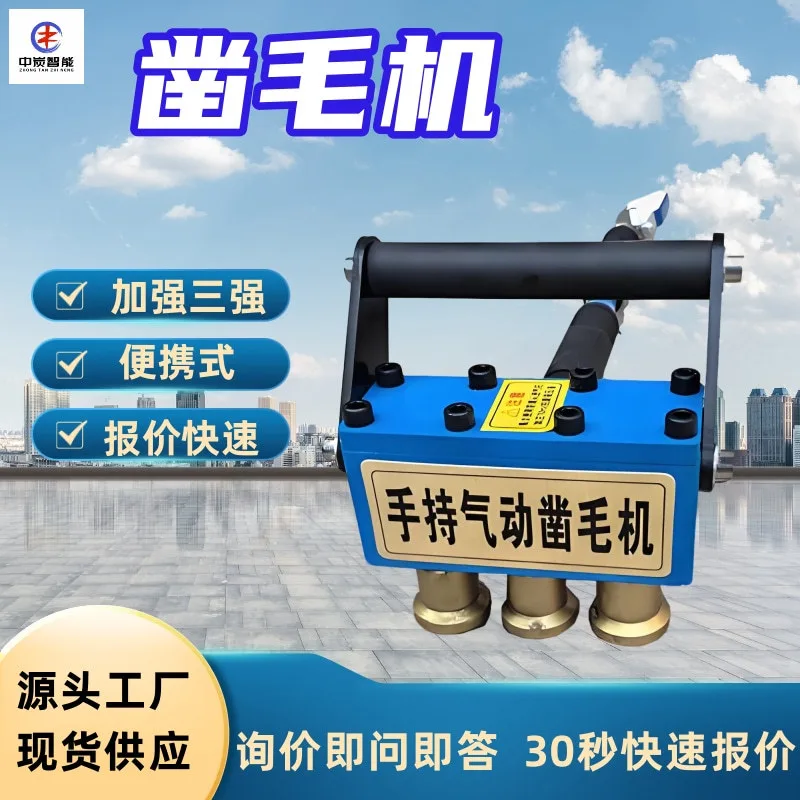
An air chisel with four options is a different class of tool: it removes material by impact rather than cutting it. That makes it the fastest way to shift a rivet head, split a seized nut, break out a weld or lift a tile, and the reason it is used on jobs where a grinder would take ten times as long. The trade is control. An air chisel will cut into the parent material as readily as it cuts the fastener, so work at an angle that keeps the tool on the part being removed, use a chisel with the right profile, and always wear eye protection and a face shield, because rivet heads and chips leave at speed.
Blades, edges and the air supply
- Sharp consumables. A blunt saw blade or shear blade does not cut slower, it distorts the material. Replace or sharpen before the edge fails.
- Blade choice. Match pitch to thickness: fine teeth for sheet and tube, coarse teeth for solid section, and keep metal blades out of wood.
- Airflow. These are demanding tools. A short, wide hose at the working pressure makes more difference than any adjustment to the tool.
- Lubrication. A few drops at the inlet before each session, or an inline lubricator, keeps the motor producing full power.
- Clearance and alignment. Check shear blade clearance and nipper alignment as part of maintenance. A misaligned edge folds metal instead of cutting it.
Keeping a cut straight and clean
Every one of these tools cuts better when it is presented square to the material and allowed to run at its own speed. Support the sheet so it cannot flap: a flapping panel grabs the blade, bends it and leaves a torn edge. Start a cut from an edge or a drilled hole rather than plunging into the middle of a panel, mark the line clearly and cut to the waste side of it. Keep the tool moving at a steady rate instead of stopping and restarting, because each restart is where the blade catches and the line wanders. On thin sheet, clamp the material between two pieces of scrap plywood and cut through the sandwich, which holds the panel rigid and leaves a far cleaner edge than cutting freehand.
Frequently asked questions
Should I saw or shear sheet metal?
Shear it when the cut is straight and the sheet is within the tool capacity, because a shear leaves a clean edge and no swarf. Saw it when the cut is curved, deep or in a material the shear cannot handle.
Can air shears cut stainless steel?
Light gauge, yes, and harder work needs a tool rated for it. Stainless work-hardens, so take a steady cut rather than forcing the blades through it.
Why does my air saw cut crooked?
Usually a blunt or too-fine blade, too much feed, or a bent blade from a previous cut. Use the right pitch for the material and let the saw cut at its own speed.
What is an air chisel used for?
Removing rivets, splitting seized fasteners, breaking welds and lifting tiles. It works by impact, so it removes material rather than cutting a clean edge.
How much air do these tools need?
More than most people expect, and the cutting tools are among the thirstiest. Size the hose and compressor from the tool consumption, not from the size of the tool body.
Where to start
Browse the full Air Tools & Spraying range, or the wider Air Tools & Spraying category if you also need grinders, spray guns, hoses or pumps. Tell us the material, the thickness and the shape of the cut, and we will point you at the saw, shear or nipper that suits the work.