Blog
Pneumatic Hammers, Riveters and Nailers: Impact Work on Air


Impact work is where compressed air is at its most convincing. A pneumatic hammer, riveter or nailer is light, has no recoil spring to wear out and converts air pressure directly into blows, which is why the same tools have been on production lines for decades. The trade is that the blows arrive whether or not the operator is ready, and the air supply has to be able to feed the tool between blows or the power drops away. This guide covers the pneumatic hammers, riveters, tampers and nailers in this range.
What these tools have in common
- Blows, not continuous torque. The work is done by repeated impact, so the number and strength of blows matter more than spindle speed.
- Air consumption in bursts. A hammer consumes air in sharp pulses, which is harder on a compressor than a steady load of the same average figure.
- Chisel and die selection. The accessory decides what the tool can do: a blunt chisel spreads the blow and a sharp one concentrates it.
- Recoil and holding. Push the tool into the work, keep it square and let the retainer hold the chisel. Holding a chisel by hand in a pneumatic hammer is how fingers get hit.
- Lubrication. Impact mechanisms wear fast without oil. A few drops at the inlet before every session is not optional.
Hammers and pick hammers
| Tool | Typical job | Note |
|---|---|---|
| Air hammer | Rivets, seized pins, panel work | The general impact tool |
| Pick hammer | Chipping, breaking, scaling | Longer stroke, harder blows |
| Tamper | Compacting soil and gravel | Large pad spreads the impact |
| Riveter and nailer | Fastening and assembly | Consistent blows, repetitive work |
Air hammers
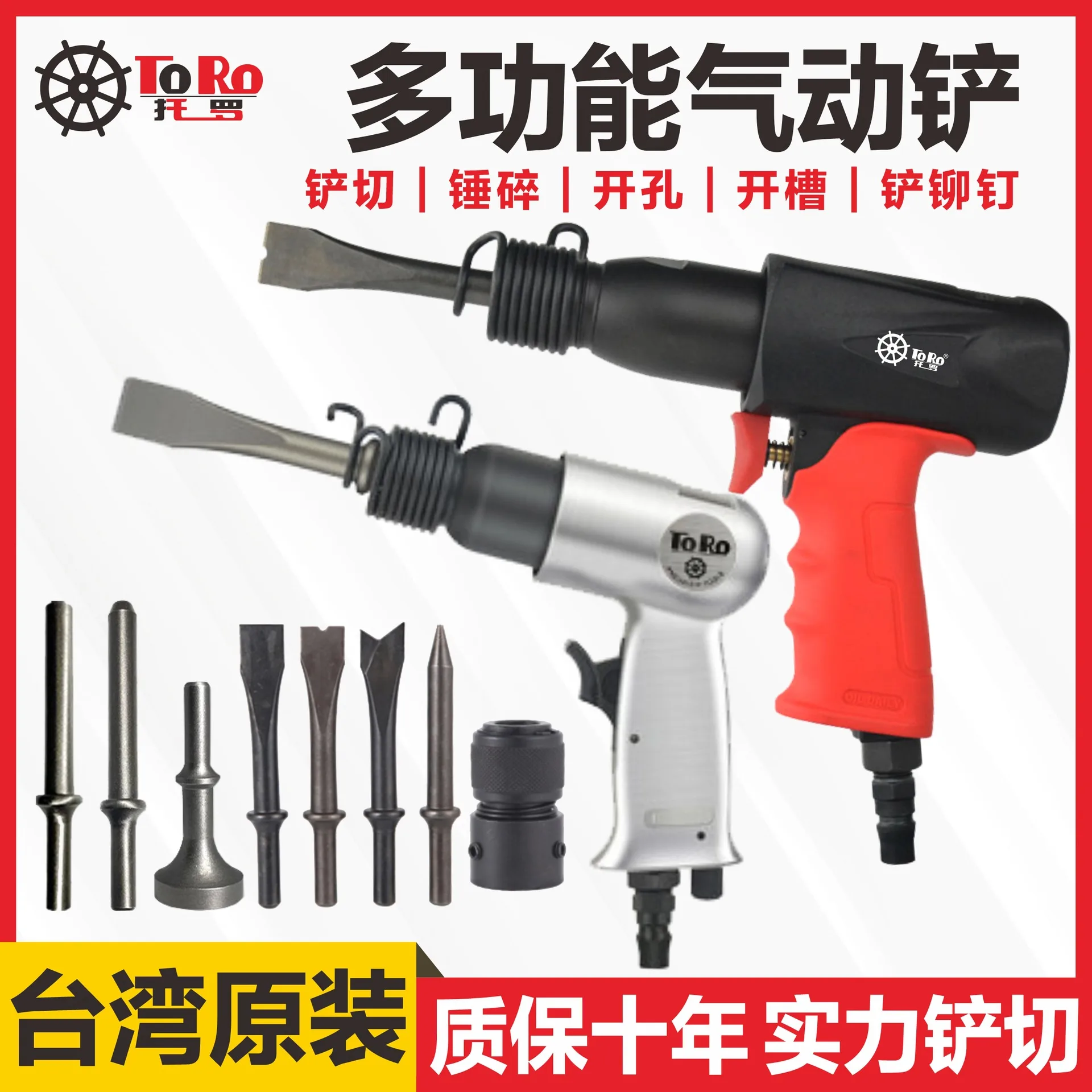
An air hammer in 1190, 1250, 150 and 190 sizes with sixteen options and a second air hammer range in 150, 190, 250 and 1190 sizes are the tools that remove fasteners nothing else will shift. The technique is to start with the tool square to the work and let the blows do the work rather than pressing hard, because force from the shoulder adds nothing and makes the chisel wander off the target. Keep the retainer spring in place, choose a chisel with a shank that matches the tool, and dress the chisel tip when it mushrooms, since a blunt tip simply spreads the blow and deforms the part.
Pick hammers and tampers
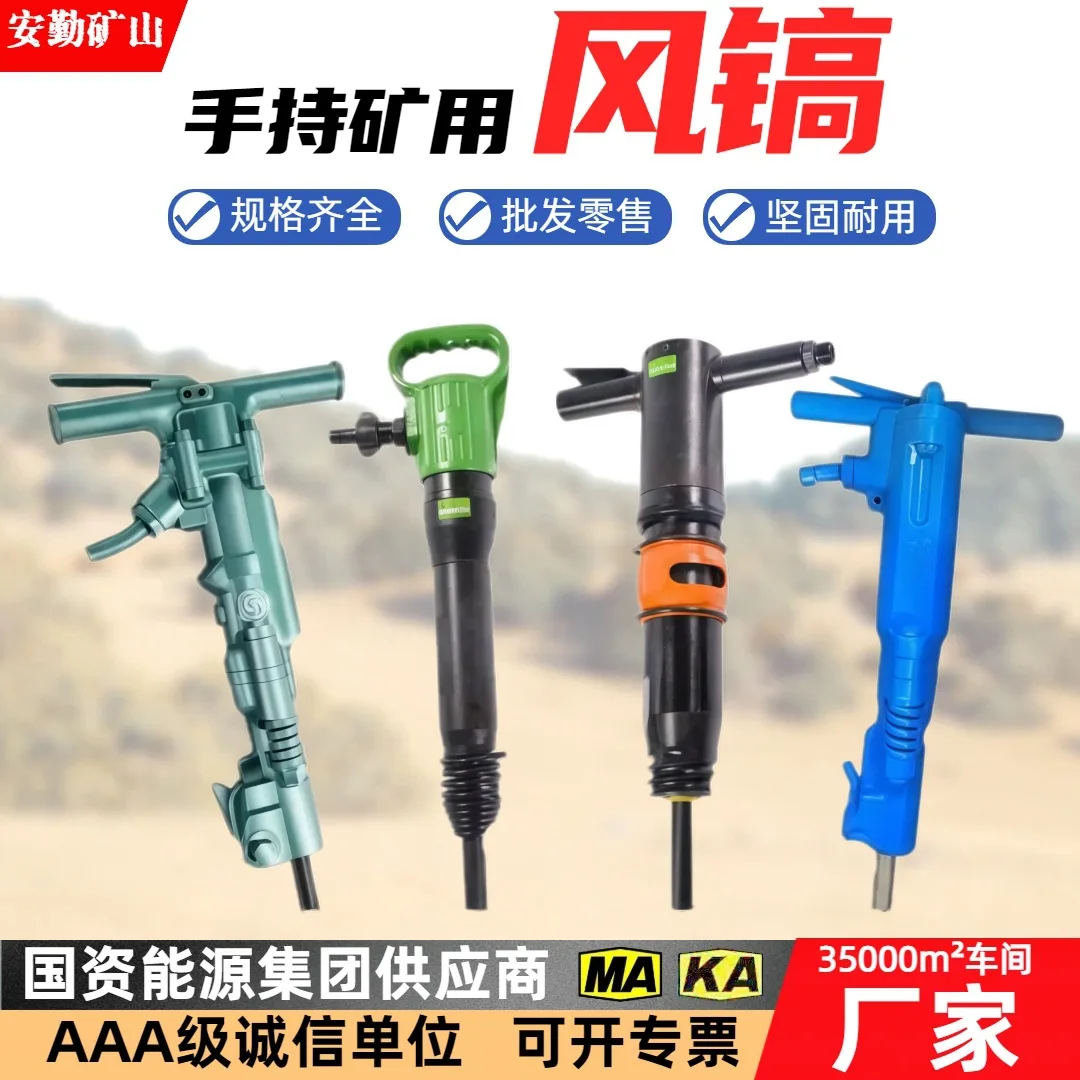
A pneumatic pick hammer with four options and a second pick hammer range in 250, 170, 190 and 150 sizes take the same impact mechanism and lengthen the stroke, so each blow bites deeper. They are the tools for chipping scale, breaking out masonry and lifting a stubborn layer of material. A pneumatic tamper turns the same energy into a broad, flat blow, which is what compacts soil and gravel without digging into it. Tampers demand more of an operator than hammers do, because the tool has to be lifted and placed between blows; let the machine work, keep your back straight and place the pad flat before the trigger goes down.
Riveters and rivet guns
A pneumatic riveter with three options and a second riveter range with thirteen options set rivets with a consistent, repeatable blow rather than the variable force of a hand tool. That consistency is the whole point: a rivet set with the same energy every time produces the same interference fit in the joint, which is what makes a riveted assembly strong and inspectable. Rivet guns in alloy steel with four options and a second rivet gun range with sixteen options cover the lighter end, where the tool is used on panels and sheet rather than structure. Choose the nose piece to match the rivet head, hold the tool square to the work and keep the bucking bar behind the rivet, because a rivet set at an angle deforms the head instead of the shank.
Nailers and caulking guns
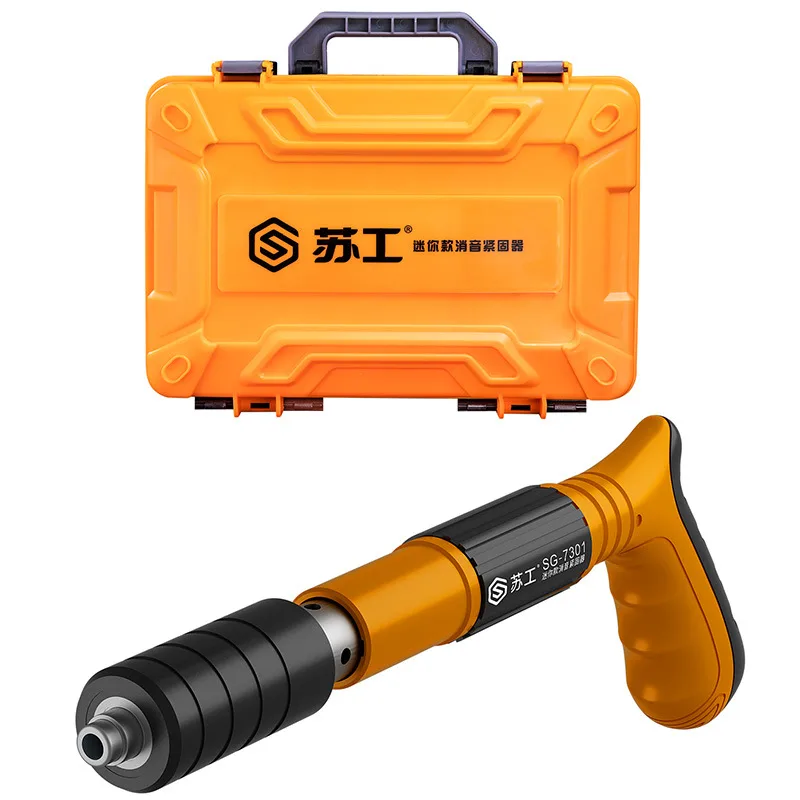
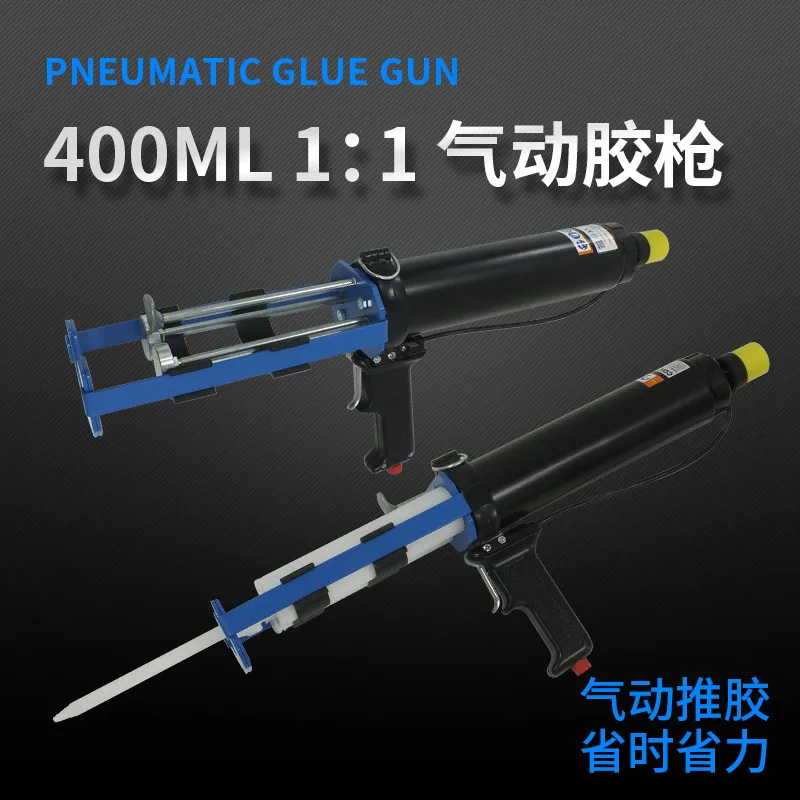
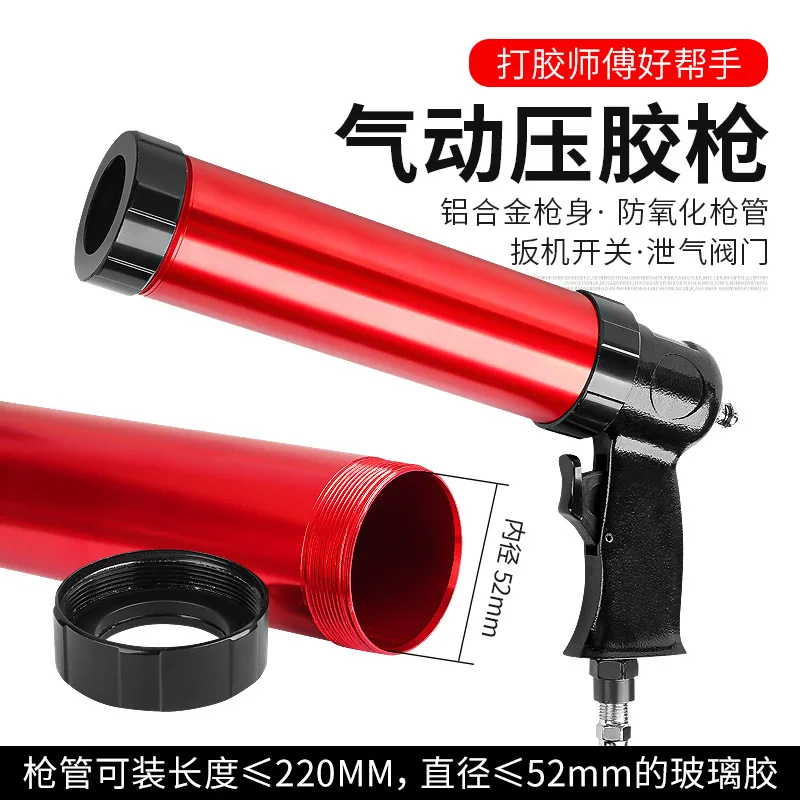
Not every fastening tool on this shelf is driven by air alone. A mini hanger nail gun for fixed installation and a quiet electric staple nailer for woodwork are cartridge and electric tools for the jobs where there is no hose, no compressor and no time to set one up, such as a ceiling fixing or a run of trim in a finished room. For sealant work, a pneumatic caulking gun gives a steady, controllable bead without hand fatigue, and a heavy duty caulking gun in the 400 size takes the larger cartridges and the thicker materials that a hand gun struggles to push.
Feeding a tool that hits
Impact tools consume air in pulses, and a compressor that looks adequate on paper can still fall short in practice. Size the supply from the tool figure with a margin, keep the working hose short and generous in bore, and fit the regulator close to the work so the pressure is measured where it matters. Water in the line is harder on an impact tool than on any other, because the mechanism relies on a film of oil; a filter and a drip leg before the tool is what keeps it working. Oil at the inlet before each session, and check the retainer and the chisel shank for wear, since a loose accessory in a hammer damages the tool as fast as it damages the work.
Safe use of impact tools
- Eye and face protection. Rivet heads, chips and chisel fragments leave at speed. A face shield over safety glasses is the correct standard for chipping and riveting.
- Hearing protection. Impact tools are loud, and the noise is impulsive, which is harder on hearing than a steady sound of the same level.
- Retainers on. Never operate a hammer without the chisel retainer fitted and the accessory correctly seated in the tool.
- Do not hold the work by hand. Clamp it, or support it on a solid surface, and keep hands away from the line of the blows.
- Check the line. Secure hose couplings so a parted fitting cannot whip, and switch off and vent before changing an accessory.
- Watch the tool temperature. Impact tools run cold on air and can become uncomfortably hot in the hand on long jobs. Let them rest.
Frequently asked questions
What is the difference between an air hammer and an air chisel?
They are the same class of tool: the hammer is the machine and the chisel is the accessory fitted to it. The profile of the chisel decides what the tool does.
Can I use one air hammer for riveting and for chipping?
Physically yes, but a riveting hammer is set up for controlled, repeatable blows. An impact hammer used on rivets deforms heads and damages the joint.
Why is my rivet gun not setting rivets properly?
Usually pressure, nose piece or technique. Check the regulated pressure with the tool running, use the correct nose piece for the head, and hold the tool square with a firm bucking bar behind.
Do pneumatic nailers need a special compressor?
They need volume rather than a large tank. Nailers are air-hungry in pulses, so a compressor that can recover quickly matters more than tank size.
How often should a pneumatic hammer be oiled?
Every session. Impact mechanisms depend on an oil film to survive, and a tool run dry loses power before it fails outright.
Where to start
Browse the full Air Tools & Spraying range, or the wider Air Tools & Spraying category if you also need grinders, spray guns, hoses or pumps. Tell us the fastener or the material, the duty cycle and the compressor you have, and we will point you at the tool and the air supply that fit.