Blog
Air Line Setup: Blow Guns, Hoses, Fittings, Reels and Air Treatment

A compressor on its own is not an air system. What makes air tools work is everything between the tank and the tool: the filter that takes the water out, the regulator that sets the pressure, the hose that carries the volume, the fittings that do not leak, the reel that keeps it tidy and the blow gun on the end. Most disappointing air setups are not caused by a weak compressor but by a line assembled from whatever was in the drawer. This guide covers the parts of an air line and how to size them.
The parts of a working air line
| Part | What it does | Note |
|---|---|---|
| Filter regulator (FRL) | Removes water and sets pressure | Set it with the tool running |
| Hose | Carries volume to the tool | Bore and length matter more than pressure |
| Fittings | Join hose to tool and hose to hose | Leaks are an ongoing cost |
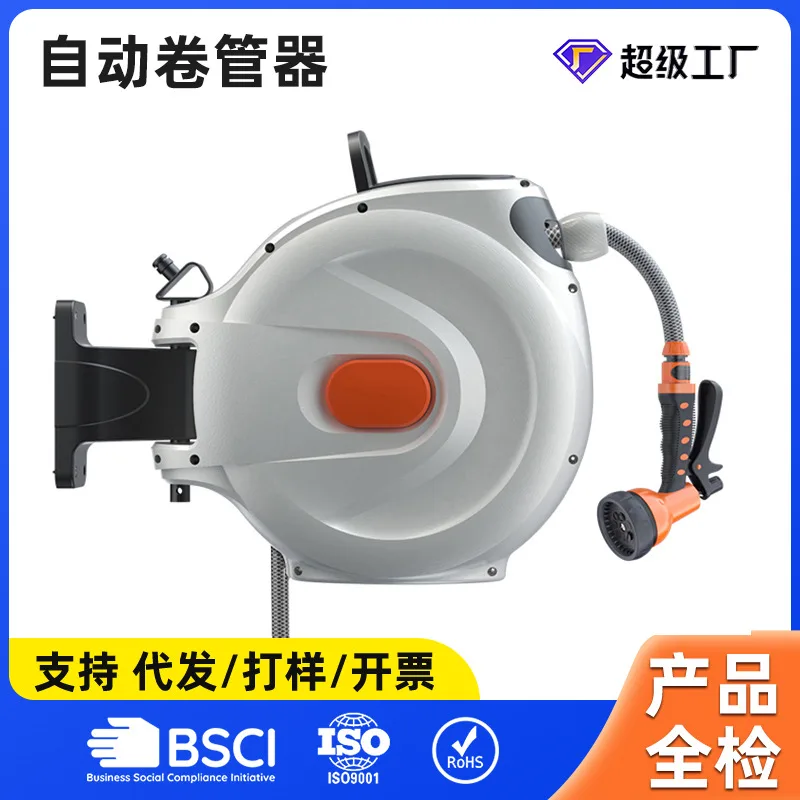
| Hose reel | Stores and protects the hose | Keeps the working hose short |
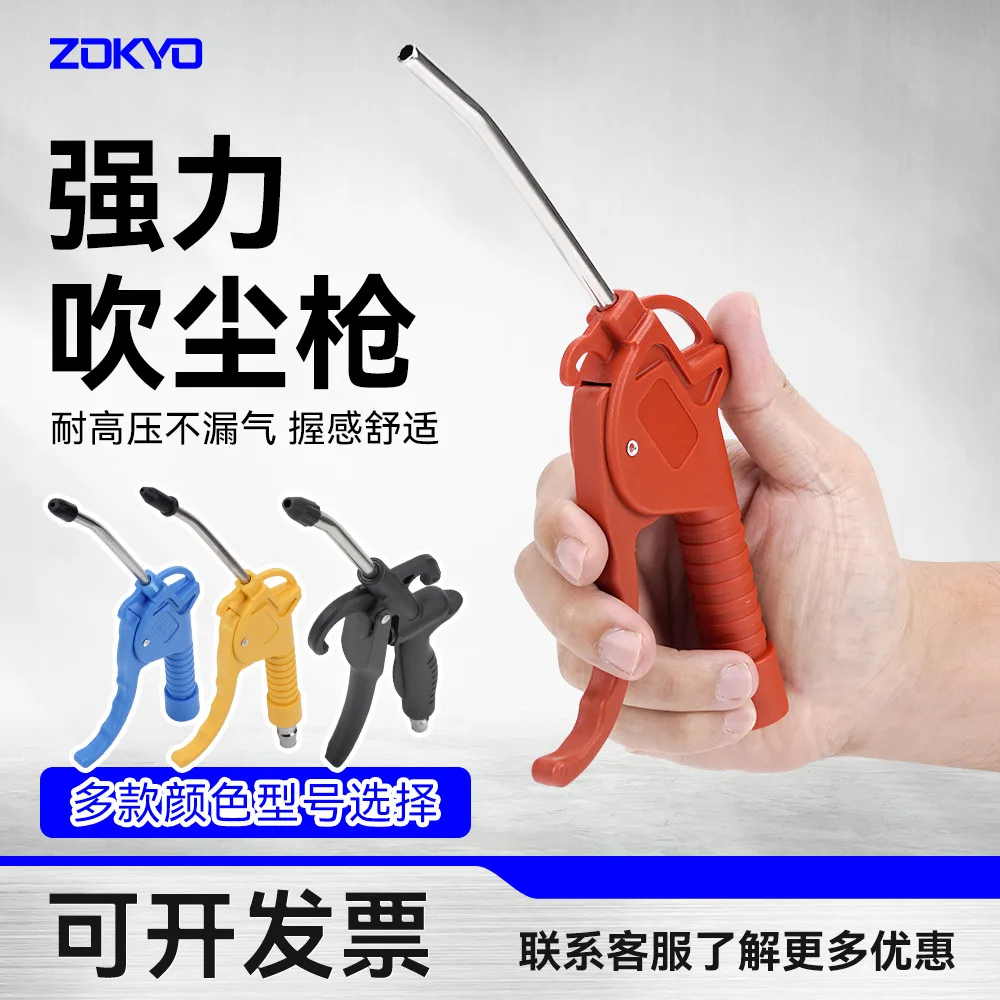
| Blow gun and accessories | Cleaning, inflating, general use | The tool everyone reaches for first |
Blow guns
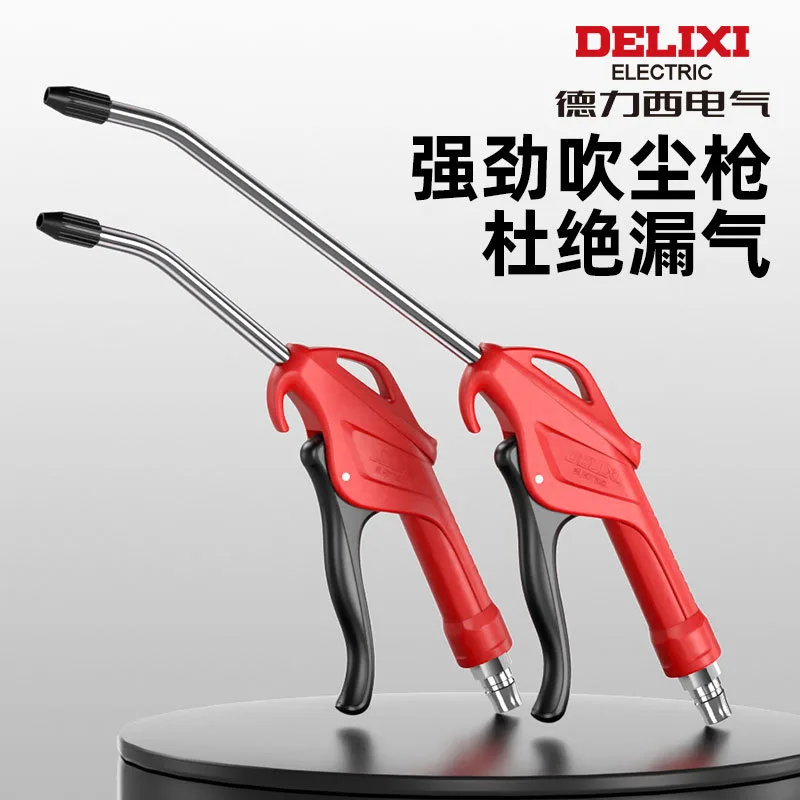
Air blow guns in the 015 pattern with sixteen options and a second blow gun range in 110 and 270 sizes are the most used and least respected tools on an air line. A blow gun is a cleaning and drying tool, and its safety limits are absolute: never point it at a person, keep the nozzle pressure low for cleaning, and choose a nozzle that cannot be sealed against the skin, because air injected under pressure is a serious injury. On the practical side, a blow gun with a long nozzle reaches into a machine without dismantling it, and one with a short nozzle moves more volume for drying a surface.
Hoses
Pneumatic hoses in 4 by 2.5, 180, 200 and 6 by 4 sizes with seventeen options and a second hose range in 4 by 2.5, 160, 6 by 4 and 8 by 5 sizes are where airflow is won or lost. A hose is a restriction: the longer it is and the smaller its bore, the more pressure disappears between the regulator and the tool. For a hungry tool such as a grinder or an impact wrench, a short hose of generous bore at the working pressure will outperform a long thin one every time, even though both read the same on the gauge at rest. Check hoses for cracks and chafing before use, and keep them off the floor where they get run over and pinched.
Fittings
Pneumatic fittings with sixteen options and a second fitting range in plastic with sixteen options are the cheapest parts of the line and the source of most of its waste. A leaking coupling costs air all day, drops the pressure at the tool and makes the compressor work harder for less result. Use one coupling standard across the workshop so that any hose fits any tool, replace worn quick-connects rather than wrapping tape around them, and keep a spray bottle of soapy water handy: bubbles find a leak in seconds and no amount of listening will.
Hose reels
A hose reel with three options and a compact hose reel do more than tidy a workshop. A reel keeps the hose off the floor, away from traffic and out of the swarf, and it lets the working hose be short while the stored length stays out of the way. A hose that lives on the floor gets run over, kinked and eventually split, and a kink is a flow restriction that behaves exactly like a smaller bore. Mount the reel above the work area and pull out only the length needed.
Filter regulators and air treatment
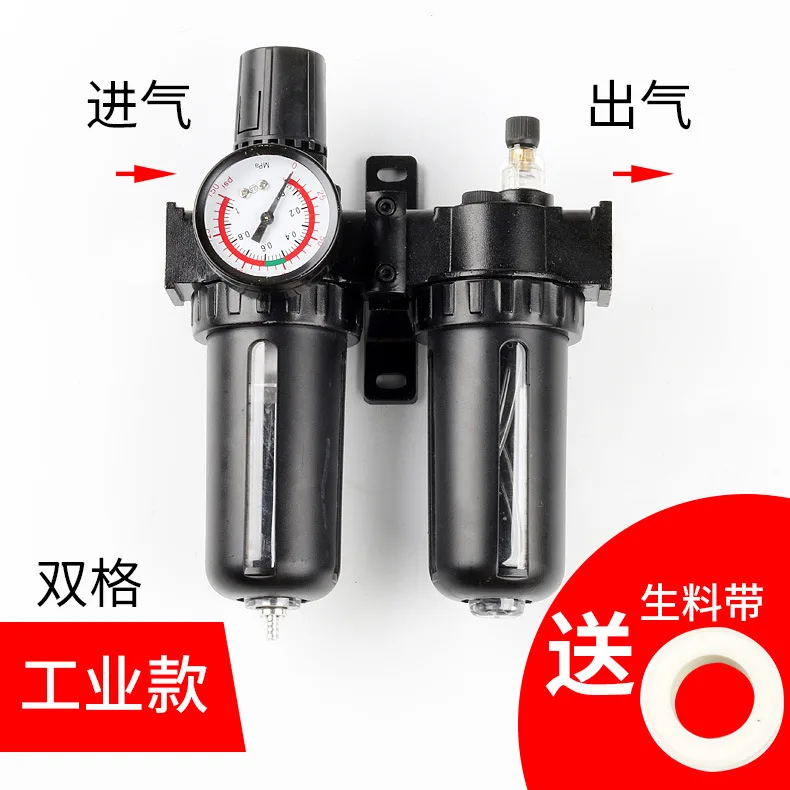
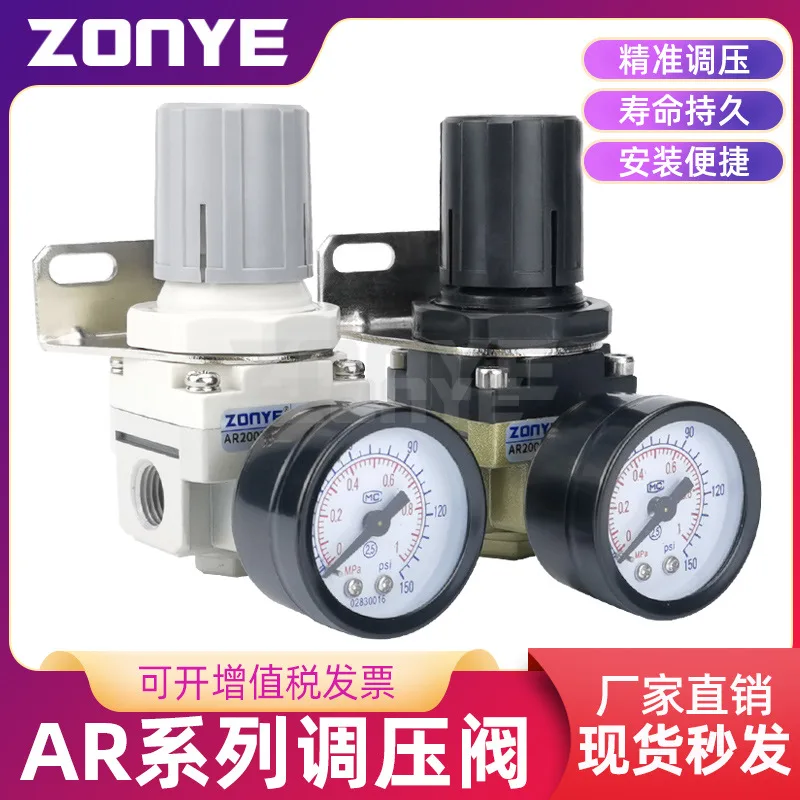
Air source treatment units in 2000, 3000, 4000 and 5000 sizes with fifteen options and a second treatment unit range in the 200 size are the components that keep water, dirt and oil away from the tool. Compressed air arrives wet: the act of compressing it concentrates the moisture that was already in the atmosphere, and that water condenses in the line, emulsifies the tool oil and rusts the mechanism. A filter regulator with a bowl and a drain, followed by a lubricator where the tool needs oil, is the standard arrangement. Drain the bowl regularly, because a full bowl simply passes water downstream.
Accessories
Air tool accessories in 1022 and 422 sizes and a second accessory range in 1013 and 625 sizes with seven options cover the small parts that keep a line working: adaptors between coupling standards, extension nozzles, tyre inflators and the fittings that let a blow gun reach a machine without a dismantle. Keep a box of spares next to the compressor, because a workshop stops for a missing adaptor far more often than for a broken tool.
Sizing the line
Three things decide whether a line performs: volume, pressure and restriction. Volume is what the tool consumes, measured in litres or cubic feet per minute, and it has to arrive at pressure. Pressure is set by the regulator and must be checked with the tool running, because a gauge that reads correctly at rest tells you nothing about the pressure during a cut. Restriction is the line itself: bore, length, fittings and any kink or partly closed valve. When a tool feels weak, work backwards from the tool: check the pressure at the inlet while it is working, then the hose, then the fittings, then the filter, and only then suspect the compressor. Nine times out of ten the fault is in the line, not in the machine.
Keeping the line safe and honest
- Drain the tank and the filter bowl. Water is the enemy of every air tool. Drain at the end of the day, not when a problem appears.
- Secure couplings. A parted hose whips. Fit whip checks or safety cables at every joint, especially on large bore lines.
- Keep pressure sensible. Higher pressure does not make a tool work better if the volume is not there; it only makes leaks worse and hoses more dangerous.
- Blow guns with care. Never at people, never at skin, and keep cleaning pressure low enough that chips are not driven into the surface.
- Inspect hoses. Replace a hose with cracks, blisters or a repaired end rather than taping over it.
- Label the line. One coupling standard, one pressure, and a visible shut-off valve, so anyone can isolate the air before working on a tool.
Frequently asked questions
Why does my air tool lose power?
Check the line before the tool. Pressure measured at the tool while it is running, hose bore and length, fittings and filter condition explain most cases of an air tool that feels weak.
Do I need a lubricator on my air line?
If your tools need oil, yes. An inline lubricator delivers a continuous film. If you also spray paint, keep a separate dry line, because oil in the air ruins a finish.
What size hose should I use?
As short and as wide as is practical. For grinders and impact wrenches a generous bore matters more than a high gauge reading, because the tool needs volume while it is working.
How do I find an air leak?
Spray soapy water on the joint and watch for bubbles. It is faster and more reliable than listening, and it finds the small leaks that quietly cost air all day.
Can I run a spray gun and a blow gun from the same line?
Partly. Both need clean, regulated air, but a spray gun needs it dry and oil-free. Fit a separate filter and regulator for spraying rather than sharing a lubricated line.
Where to start
Browse the full Air Tools & Spraying range, or the wider Air Tools & Spraying category if you also need spray guns, grinders, impact wrenches or pumps. Tell us the tools you run and the compressor you have, and we will point you at the hose bore, fittings and treatment units that fit.