Blog
Other Saws: Tooth Pitch, Kerf and Set

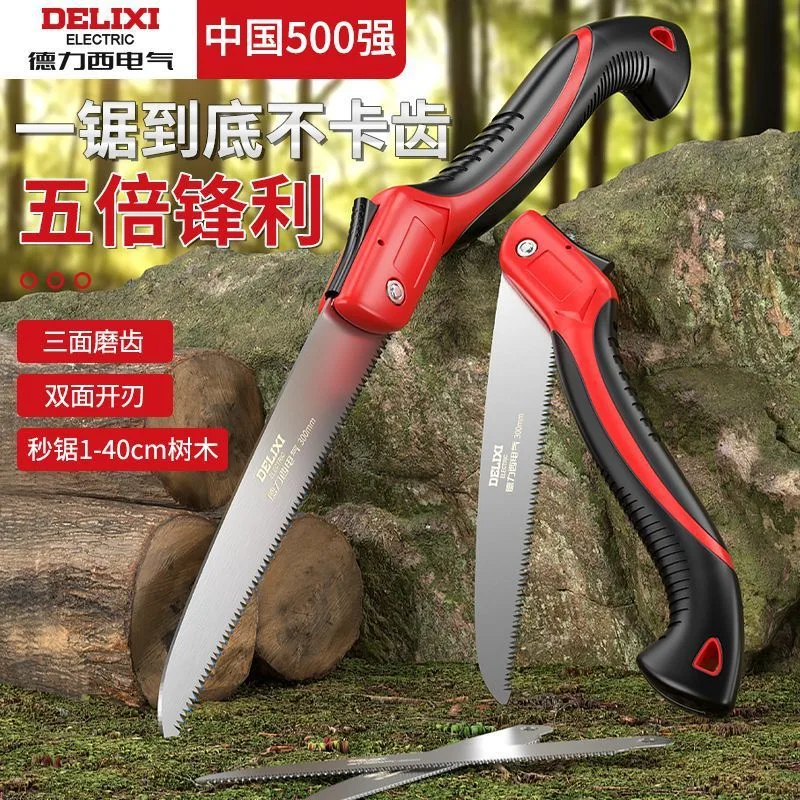
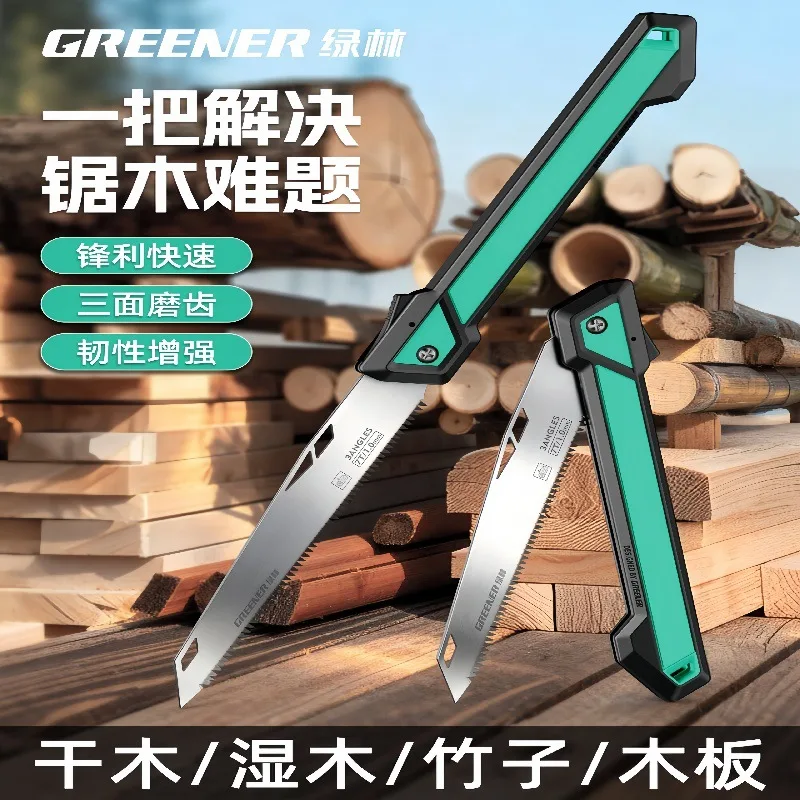
Other Saws look simple until the moment they are needed. The specification sheet is short, but every line on it changes what the item will do, how long it lasts and how much it costs to keep running.
All 12 options are listed below with prices from $8.99 to $26.97. Comparing them line by line takes a few minutes and saves the cost of buying twice.
What decides how an other saw performs
Four things decide how {art} other saw performs: size, material, build and the price band it sits in. The table below shows what each one changes in practice.
| Factor | What it changes | Typical choices |
|---|---|---|
| Tooth pitch | Teeth per inch sets the cut speed and the finish it leaves. | 14 / 18 / 24 / 32 TPI |
| Kerf | The width of cut, which decides how much material is lost and how hard the saw works. | 1.0 mm / 1.4 mm / 2.5 mm |
| Blade material | HSS, bi-metal and carbide differ in heat resistance and life. | Carbon steel / bi-metal / carbide |
| Set and clearance | Alternate and raker set clear the kerf and stop the blade jamming. | Alternate / raker / wavy |
| Length and thickness | A longer blade reaches deeper and flexes more unless it is thicker. | 150 mm / 300 mm / 450 mm |
Worth knowing: the cheapest option in a range is rarely the one that costs least over time, because consumables and replacement parts follow the purchase.
Blade selection by material
There is no single best type, only the type that matches the work. This is where the choice is usually won or lost.
| Material | Pitch | Note |
|---|---|---|
| Timber, rip cuts | Coarse, 4-8 TPI | Clears waste fast |
| Timber, cross cuts | 10-14 TPI | Faster finish off the saw |
| Steel tube | 24-32 TPI | Keep three teeth in the wall |
| Aluminium | 10-18 TPI | Use a lubricant to stop clogging |
Making a saw cut that stays true
Good results come from a repeatable method rather than from force or guesswork. Work through the table in order and the outcome is predictable.
| Step | What to do | Why |
|---|---|---|
| Mark and start | Use a knife line and a starting notch | A knife line stops the teeth wandering |
| Support both sides | Clamp or prop the offcut | A dropped offcut closes and pinches the blade |
| Let the blade cut | Match feed to tooth count | Pushing harder bends the blade |
| Finish the last strokes | Ease off and support the piece | Most blade damage happens at the end |
Other Saws in this range
The listing below is the option this guide is built around. It shows the current price and the full specification.
Every option in this range
Every option in this range is listed below with its price, so the whole ladder can be read at once.
| Part of the range | Price | Options | Notes |
|---|---|---|---|
| Lower third of the range | $8.99 to $15.45 | 4 options | The sizes most buyers start with |
| Middle third of the range | $15.45 to $26.13 | 4 options | Where most of the value sits |
| Upper third of the range | $26.97 to $26.97 | 4 options | For heavy or continuous work |
Reading the ladder, the real jump in capability comes once rather than at every step, so it pays to find that step and buy there.
Prices and what the money buys
Two costs matter more than the purchase price: what has to be replaced, and how often. An option that costs a little more and lasts twice as long is the cheaper one over a year of work.
Looking after other saws
Nothing in this range needs much looking after, but the small routines below are what separate an item that lasts a decade from one that lasts a season.
- Brush swarf out of the teeth before the blade goes back in the case.
- Replace a blade when the teeth stop biting rather than pushing harder.
- Keep hand saw blades lightly oiled, especially in a damp workshop.
- Check a machine saw for a square fence before blaming the blade.
- Do not cut masonry or metal with a timber blade.
- Store blades flat or hanging, never leaning on the teeth.
Buying in quantity
Ordering more than one changes the calculation. Unit prices for larger quantities are quoted separately, and the saving usually appears once the order goes past a small multiple rather than on the second item.
For trade buyers the practical question is how many will be consumed in a year. Buying a year’s worth at once removes the cost of repeat shipping and the risk of a size going out of stock mid job.
Fitting and first use
Check the item against the listing as soon as the parcel is opened. Size, option and finish are the three things that are wrong when something is wrong, and all three are obvious in the first minute.
Read the maker’s clearance and torque figures before the first use rather than after. Nearly every early failure in a range like this is an installation problem rather than a manufacturing one.
Common mistakes
The commonest mistake is buying for the worst job rather than the usual one. A specification chosen for a task that happens twice a year is carried through every day of the other three hundred and sixty.
The second commonest is ignoring the consumables. What has to be replaced, and how often, decides the real running cost far more than the purchase price does.
Frequently Asked Questions
These are the questions that come up most often about Other Saws.
What does TPI mean?
Teeth per inch. More teeth means a slower, smoother cut; fewer teeth means faster cutting and a rougher finish.
Why does my saw blade wander?
Usually too few teeth for the thickness, too much feed pressure, or a blade that has lost its set. Two of those three are cured by a new blade.
Can one blade cut metal and wood?
A bi-metal blade will, but the wood gets contaminated and the finish suffers. Dedicated blades last longer in each material.
What if something arrives damaged?
Report it with photographs as soon as the parcel is opened. The returns policy covers damaged and faulty goods, and replacements are arranged from that report.
Are spare parts available?
Wear parts and common replacements are stocked for most of the range. Ask with the product name and option so the right part is matched first time.
Choosing the right one
Choosing well comes down to matching the specification to the work rather than to a budget. Work out the size, then the material, then the build, and the price follows.
The Other Saws range here covers every option listed above, with live stock and pricing.
If two options look equally suitable, take the larger one only if the work is likely to grow. Otherwise take the smaller and keep the difference for consumables.