Blog
Hand Saw Length Guide: 270 mm, 300 mm and 350 mm


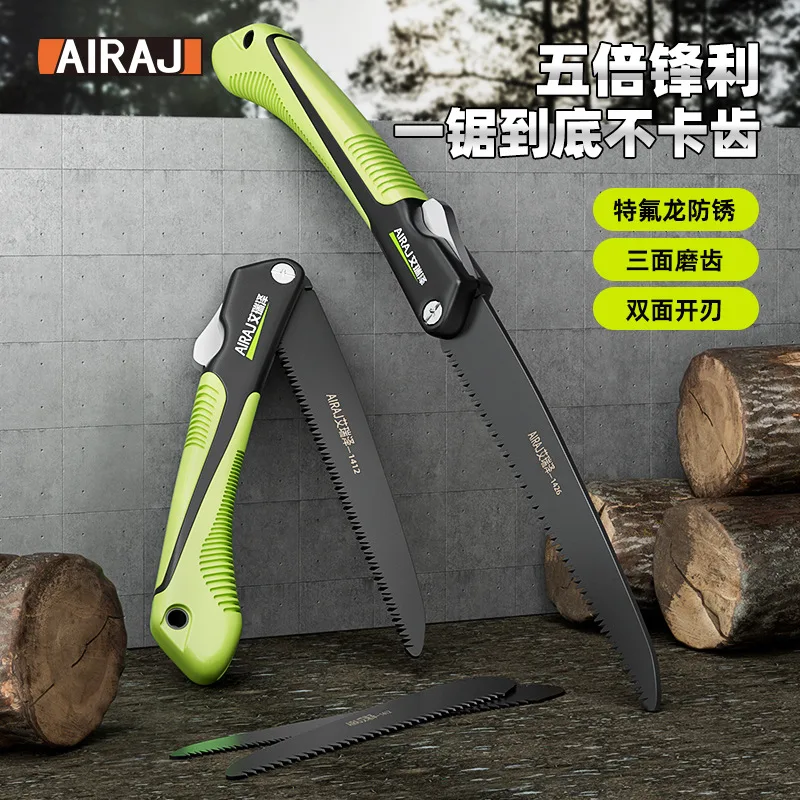
Hand saw length is the specification that decides how the saw feels in use, and it is the one most people ignore. A 270 mm saw suits a toolbox and second-fix carpentry, a 300 mm saw is the general bench standard, and a 350 mm saw is for framing and deep cuts where the extra stroke saves passes. This guide covers the three lengths in this range, the alloy-back option, and what a saw set adds.
Length, tooth pattern and the back
- 270 mm. Short and light: good in a toolbox, in a ceiling void and for trim, where a longer saw would foul the surrounding surfaces.
- 300 mm. The all-round length: a full stroke on 50 mm timber, still controllable one-handed for second-fix work.
- 350 mm. Framing and deep cuts: more teeth in the cut per stroke and a straighter line through thick timber.
- Alloy back. A reinforced spine keeps the blade rigid, which is what produces a straight cut in a long rip.
- Tooth pattern. Crosscut teeth are for cutting across the grain; rip teeth for cutting along it. Most general saws are crosscut, which is why ripping with one is slow.
Which length for which job
| Job | Length | Why |
|---|---|---|
| Trim, second fix, ceiling voids | 270 mm | Short enough to work between surfaces |
| General bench cutting and joinery | 300 mm | Full stroke on common timber sizes |
| Framing and cutting thick sections | 350 mm | More material removed per stroke, straighter line |
| Long straight cuts in sheet and board | 350 mm with alloy back | The spine keeps the blade from wandering |
| Toolbox saw for site work | 270 mm or 300 mm | Fits the box, covers most site cuts |
What a saw set adds
A set that includes a spare blade or a second saw turns a single tool into a kit that survives a dull edge. On a site, the difference between a set and a single saw is whether a blunt blade ends the day’s work or costs five minutes. If you buy one saw, buy the length that covers most of the work and keep a spare blade of the same type; if the work is mixed, a set with a fine and a coarse blade covers both trim and framing timber without changing the tool.
The hand saws in this guide
Every option in this range
Seven options in 270 mm, 300 mm and 350 mm, with and without a set. Prices are per unit.
| Option | Length | Back | Where it suits | Price |
|---|---|---|---|---|
| Saw only | 270 mm | Plain | Toolbox and trim work | $8.99 |
| Saw with set | 270 mm | Plain | Site kit with a spare | $11.62 |
| Saw with set | 300 mm | Plain | General bench work | $13.14 |
| Saw with set | 350 mm | Plain | Framing and deep cuts | $14.94 |
| Alloy saw with set | 270 mm | Alloy reinforced | Straight cuts in tight spaces | $19.09 |
| Alloy saw with set | 300 mm | Alloy reinforced | Joinery and board work | $20.61 |
| Alloy saw with set | 350 mm | Alloy reinforced | Long straight cuts | $21.44 |
Technique and maintenance
- Start on the back stroke. Two or three light pulls establish the kerf at the line before you commit to the cut.
- Use the whole blade. Long strokes wear the teeth evenly and clear the dust; short strokes wear the middle and leave a saw that cuts badly in the middle of the blade.
- Support the offcut. Timber that sags pinches the kerf, and the pinch is what bends blades.
- Cut on the waste side of the line. Leave the line visible and plane or sand back to it.
- Keep the blade clean. Resin from softwood drags on the blade. An occasional wipe with an oily rag keeps the cut fast.
- Re-sharpening. Hardened teeth are for replacement, not filing. Standard teeth can be sharpened with the correct file, but the set is difficult to restore by hand.
The other variable is where you hold the handle. Choking up on the grip, close to the blade, gives the most control for starting a cut; moving back down the handle gives more leverage once the teeth are established in the kerf. On a long saw, starting near the blade and sliding your hand back as the cut deepens keeps the same rhythm through the whole stroke.
Frequently Asked Questions
Is a 350 mm saw too big for general work?
It is heavier and needs more space around the cut, but it cuts thick timber faster and stays straighter. If your work is mainly trim and second fix, 300 mm is the better compromise.
What does an alloy back do?
It stiffens the blade, which reduces wander in long cuts and lets you cut a straighter line in board and sheet. The trade-off is weight and a slightly higher price.
Can I cut along the grain with these saws?
Slowly. A general-purpose crosscut saw cuts across the grain; ripping along the grain needs a rip-tooth pattern, which is a different tooth geometry.
Should I buy the set or a single saw?
Buy the set if the saw goes on site where a dull blade cannot be replaced mid-job, and the single saw if it stays at the bench with a spare blade in the drawer.
How do I keep the saw cutting straight?
Let the teeth cut without leaning on the saw, keep the blade square to the work, and use smooth, even strokes. Leaning is what makes a saw wander off a line.
Buying the right one
Match the length to the space around the cut and the thickness of the timber, then decide whether you want the rigidity of an alloy back. The hand saws in this guide cover 270 mm to 350 mm, with sets that include a spare blade for site work.