Blog
Pliers Compared: Combination, Cutting, Needle-Nose and Locking Designs


Pliers are the hand tool most often bought by the handful and understood the least. Five pairs that all look like “pliers” do five different jobs, and using the wrong one damages the tool, the workpiece, or both. This guide works through the plier families we stock, what each jaw and joint is actually for, and how to tell a pair that will last from one that will not.
The three things a pair of pliers does
Every design is a compromise between gripping, cutting and reaching, and the joint and jaw shape decide which one you get.
- Gripping. Flat jaws hold, serrated jaws bite, and shaped jaws (round, flat-nose, needle) fit specific profiles. A jaw that does not match the part will slip before it holds.
- Cutting. Cutting edges are hardened and induction-tempered, and they are damaged by cutting anything harder than the wire they were designed for. Never cut hardened steel, screws or spring wire with side cutters.
- Reaching. Long, slim jaws reach into a recess; short, thick jaws take force. You cannot have both in one tool.
The plier families
| Family | Job | Do not use it for |
|---|---|---|
| Combination pliers | Gripping plus a cutting edge in one tool | Precision work or hardened wire |
| Diagonal cutters | Cutting wire and cable ties close to a surface | Gripping or pulling |
| Needle-nose pliers | Reaching into tight spaces and forming loops | Heavy gripping or high leverage |
| End cutting pliers | Cutting flush against a surface | Anything but cutting |
| Locking pliers | Clamping a part so both hands are free | Precision, or anything you must not mark |
Combination and gripping pliers
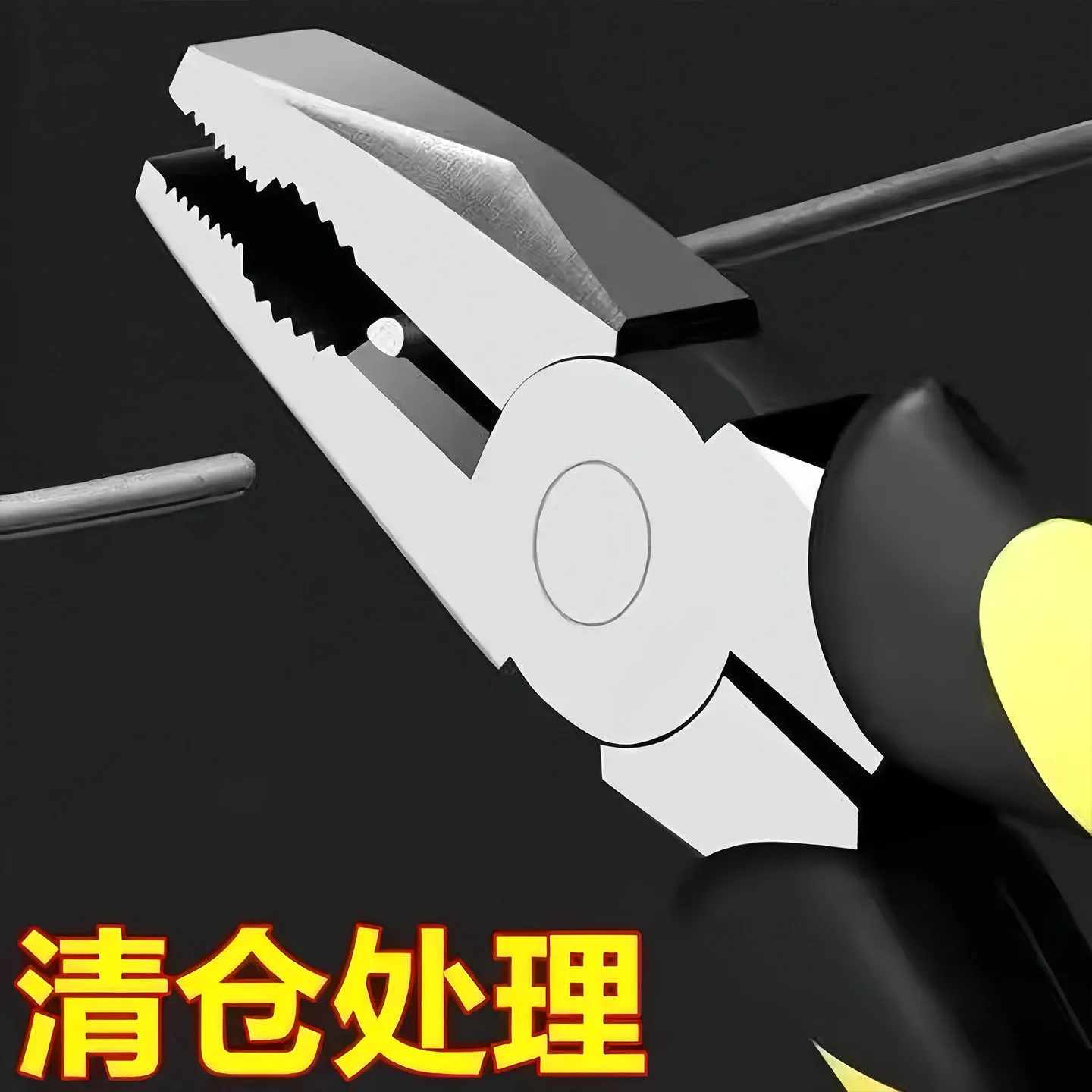
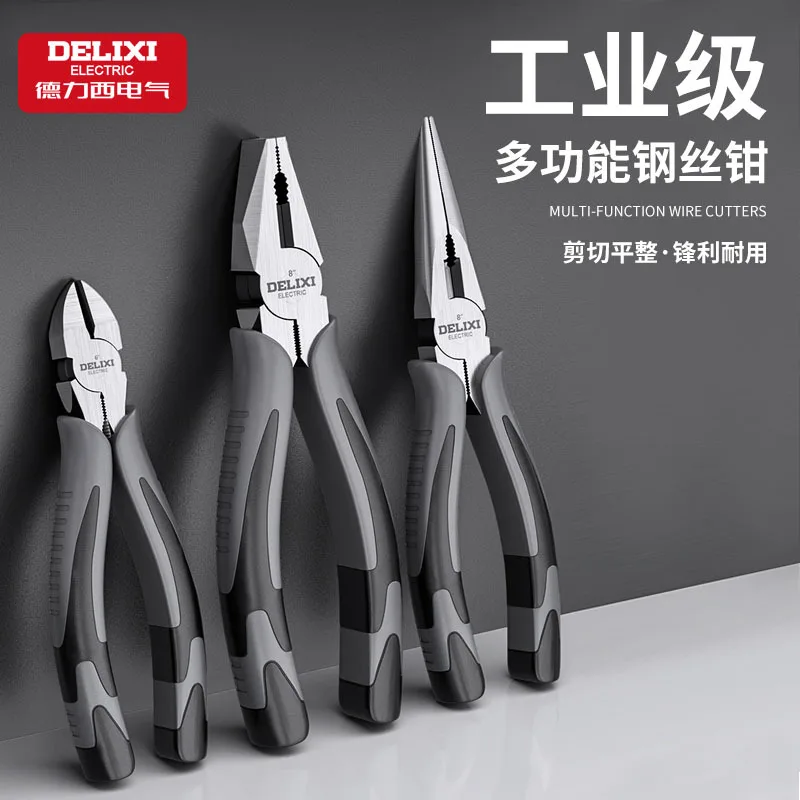
The combination plier is the general-purpose tool, with a gripping zone, a pipe-grip zone and a cutting edge. Combination pliers in a wide range of sizes cover most of what a workshop asks of a pair of pliers, and the second pattern with fewer, larger options suits buyers who want one size and a known price. Choose by jaw length: a long jaw reaches but flexes, a short jaw takes force without spreading.
Cutting pliers
Cutting is where cheap pliers fail, because the cutting edges are the hardest part to make well. Diagonal cutters in chrome vanadium steel hold an edge and resist deformation, while diagonal cutters supplied in a wide size range let you match the tool to the wire gauge instead of forcing one size to do everything. For cutting a fixing flush to a surface, end cutting pliers put the edge across the jaw tip, which is the only geometry that gets close enough without gouging the workpiece.
Reaching and forming pliers
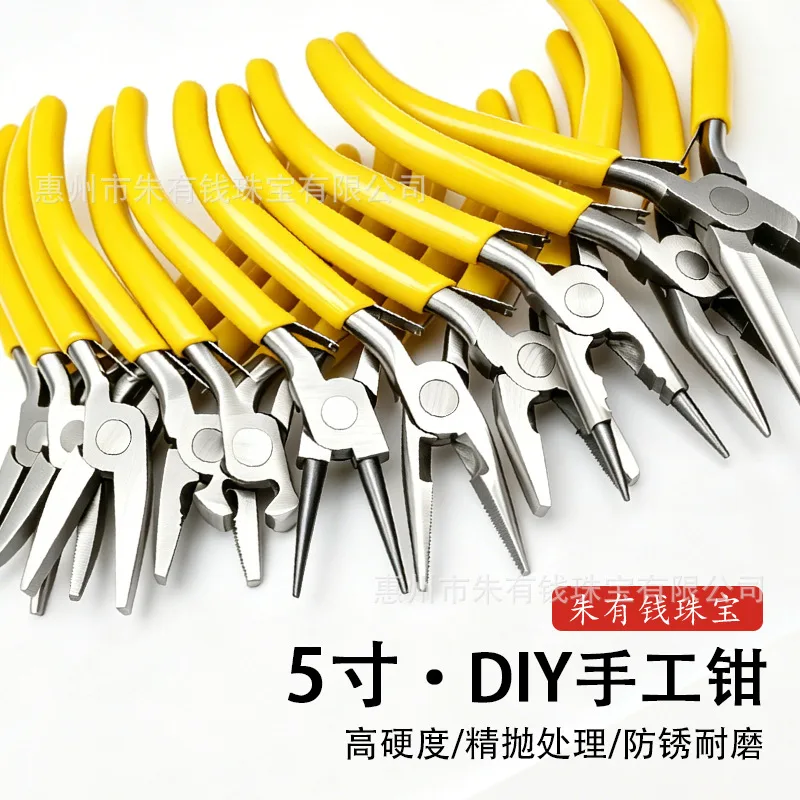
Needle-nose pliers are the electronics and wiring standard: long jaws for a recess, a fine tip for forming loops, and often a small cutting edge near the pivot. Round-nose pliers in carbon steel form consistent loops for terminal and wire work, and the plain version is the cheapest way to get that shape if you only need one size. Where a part must be held flat without marring it, flat-nose pliers and flat-jaw pliers present a broad, parallel face instead of a serrated grip.
Locking and special-purpose pliers
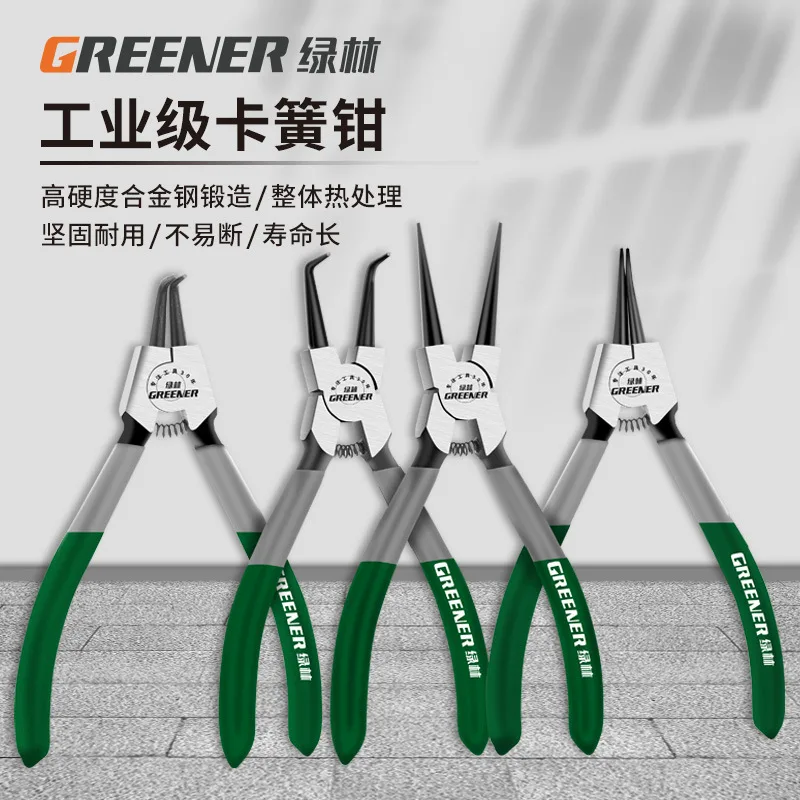
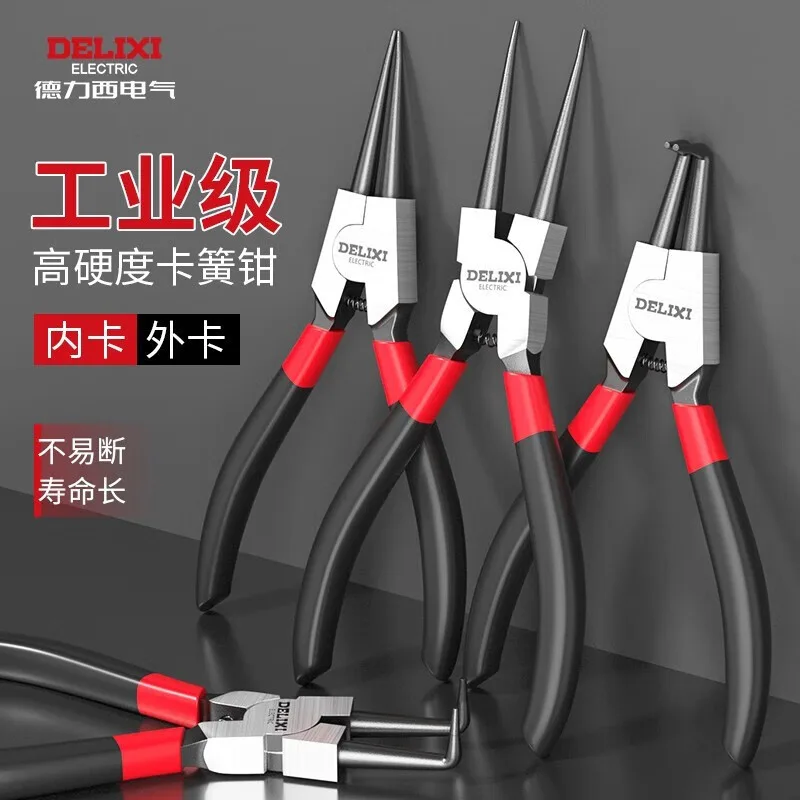
Locking pliers convert a squeeze into a clamp: set the screw, lock the jaws and the tool holds the part while you work. They are the right tool for welding, drilling and freeing a rounded fastener, and the wrong tool for anything that must not be marked. For circlips, circlip pliers with a range of tip sizes are the only design that will not slip out of the eyelet, and a multi-tool plier covers stripped wire, crimping and cutting in one handle for field work.
What to check before you buy
- Joint type. A lap joint is cheap and fine for light work. A box joint resists twisting under load and is what you want on a locking or diagonal cutter.
- Forging and finish. A forged body with a ground jaw holds alignment. Stamped pliers with a painted finish go out of line after a few hard squeezes.
- Handle insulation. Rated insulation, marked with a voltage, is a safety device. A coloured plastic sleeve is not.
- Spring or no spring. A return spring saves effort in repetitive work and gets in the way when you need to hold a part.
Keeping an edge and a grip
Cutting edges fail from misuse more than wear: cutting hardened wire, screws or live cable scores the edge and the tool will never cut cleanly again. Keep cutting edges dry and oiled, and never use them as a lever. Gripping jaws fail by rounding over, which happens when the pliers are used on something harder than the jaw, such as a hardened bolt or a chrome-plated fitting. Once a jaw is smooth it cannot be restored by hand, so the tool becomes a spare rather than a working pair.
Frequently asked questions
What is the difference between diagonal cutters and side cutters?
They are the same tool. “Diagonal” describes the angle of the cutting edge, and both names refer to pliers that cut at an angle to the handle.
Can I cut hardened wire with side cutters?
No. Hardened wire, spring steel, screws and cables with steel armour will damage the edge. Use a bolt cutter or a shear rated for the material.
Are insulated pliers safe for live electrical work?
Only if the handles carry a proper voltage rating and the tool is undamaged and tested. A plastic sleeve is not insulation, and no hand tool replaces lockout and isolation procedure.
Why do my locking pliers slip?
The jaw faces have worn smooth, or the adjustment screw is set too loose for the part. Clean the jaws, set the screw so the clamp needs two hands to close, and check the release lever.
Which pliers should I buy first?
A combination plier and a diagonal cutter cover most jobs. Add needle-nose pliers for wiring and locking pliers for holding, and you have the four that do almost everything.
Where to start
Browse the full Hand Tools range, or the wider Hand Tools category if you also need wrenches, screwdrivers or striking tools. Tell us what you grip and cut, and how much space you have to work in, and we will point you at the jaw and joint that fit.