Blog
Screwdrivers and Hex Keys: Tip Types, Sizes and Handle Design


More fasteners are ruined by the wrong screwdriver than by any other hand tool. A tip that is one size small, or the wrong profile, cams out of the slot, rounds the head and turns a two-second job into a drilling operation. This guide covers the tip profiles and sizes we stock, how to match a driver to a screw, and where a hex key or a ratchet driver replaces a conventional handle.
Match the tip to the screw, not the other way round
Screw heads are standards, and screwdrivers are sized to those standards. The rule is simple: the tip should fill the slot, with no side-to-side play and no overhang.
- Slot (flathead). Sized by blade width and thickness. Too narrow and the tip damages the slot; too wide and it damages the workpiece.
- Phillips. A cross with a tapered profile that cams out deliberately to limit torque. Sized 0 to 4, with 1 and 2 covering most work.
- Pozidriv. Looks like Phillips but has additional radial lines and a squarer profile. A Phillips driver will damage a Pozidriv head.
- Hex and socket. Sized by the actual hex across flats, in millimetres or inches. Metric and imperial are not interchangeable.
The drivers we stock
| Profile | Use it for | Common mistake |
|---|---|---|
| Flathead | Slotted screws, terminal blocks, older hardware | Using an undersized blade and burring the slot |
| Phillips | General assembly and machine screws | Using it on Pozidriv heads |
| Pozidriv | Furniture, appliances and European hardware | Assuming a Phillips driver will do |
| Hex | Socket-head cap screws and set screws | Rounding the socket with a worn key |
| Ratchet driver | Repetitive work in confined spaces | Using it where you need to feel the torque |
Flathead, Phillips and Pozidriv
Flathead screwdrivers in a range of blade sizes are the size-critical profile, because a slotted head has no walls to centre the blade. Phillips screwdrivers are the general-purpose choice, and a size 2 tip covers the majority of machine and wood screws. Pozidriv screwdrivers exist because the cross profile is not a Phillips profile: buy the correct one for appliance and furniture work and you stop damaging heads.
Hex drivers and keys
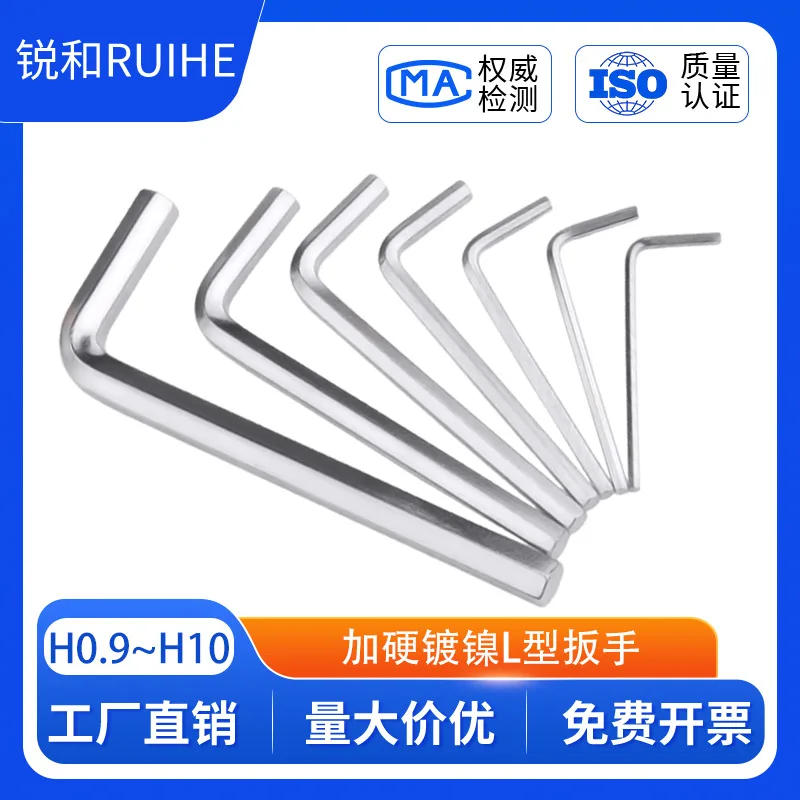
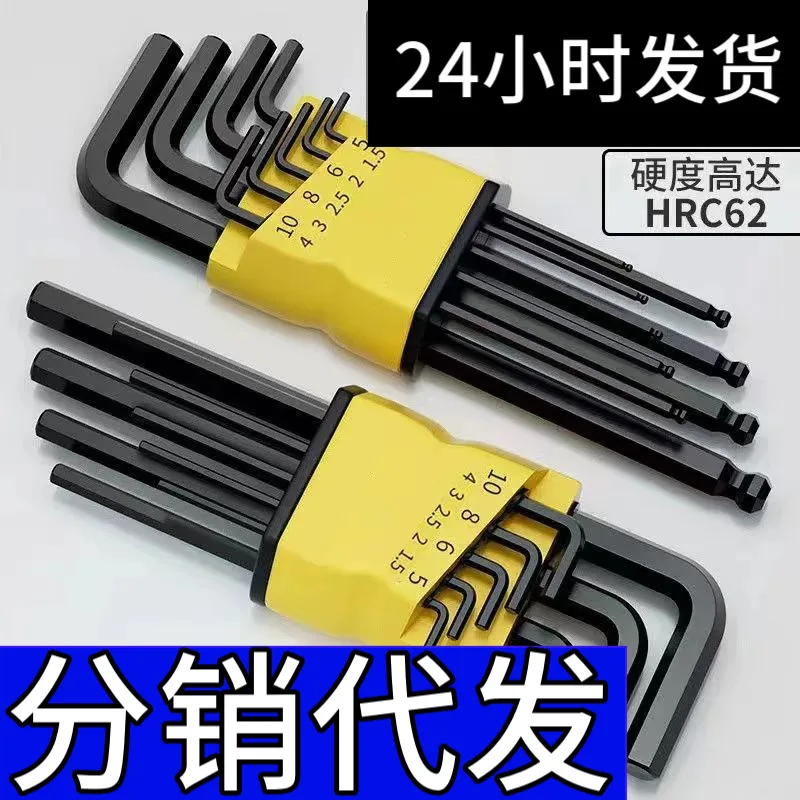
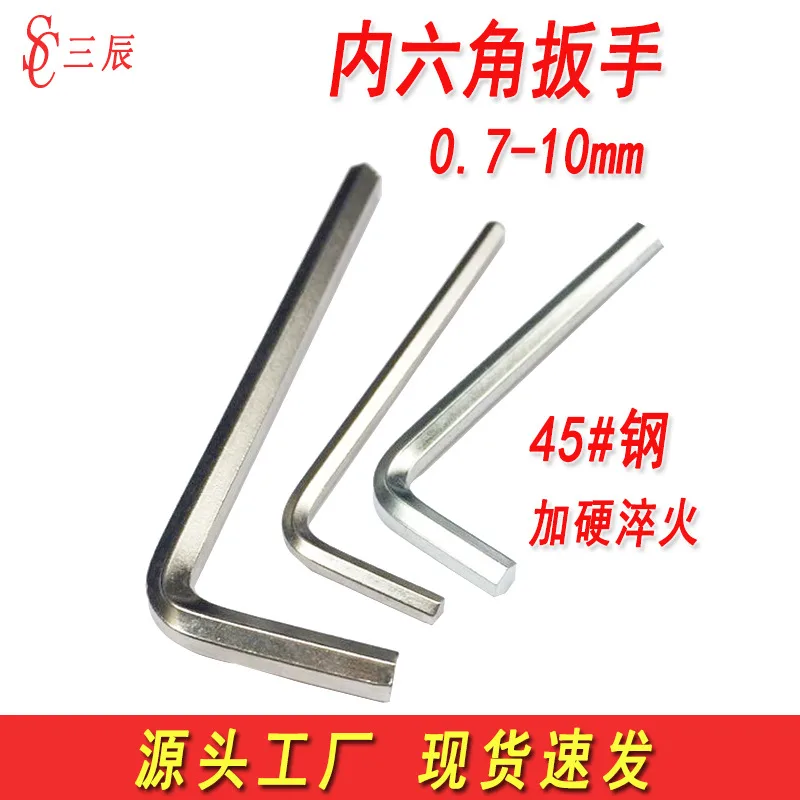
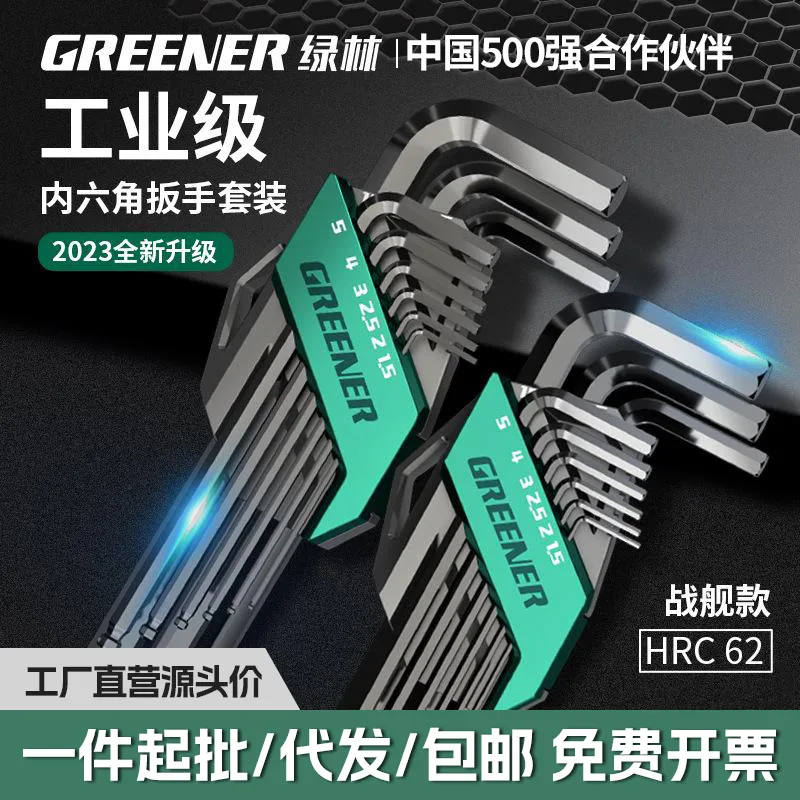
Hex screwdrivers with a range of tip sizes suit socket-head screws that are accessible from above, where a straight handle gives more control than a key. For tight corners, hex keys from very small sizes upward reach where a handle cannot, and they are the only tool that fits a deeply recessed socket cap. The most common failure here is a worn key: a rounded key will round the socket, so replace keys before they lose their corners.
Ratchet and speciality drivers
Ratchet screwdrivers in alloy steel cut the wrist work out of repetitive fastening, which matters most when the screw count is high and the head is in a recess. They are not the tool for a torque-critical joint, because the mechanism hides how much force you are applying. Other screwdriver patterns cover offset and stubby formats, which are the answer when the standard handle will not fit between a panel and a wall.
Handle, tip and the details that decide lifespan
- Tip fit. A hollow-ground tip with parallel faces holds a screw better than a tapered one. Parallel faces also mean the tip wears evenly rather than chipping.
- Tip material. Hardened tips resist cam-out and last longer; they are also brittle, so they chip if used as a pry bar.
- Handle grip. A handle that transmits the whole turning force through a small contact area will hurt before the screw is tight. Look for a shaped grip and a bolster where you can add a wrench.
- Insulation. Drivers with a rated insulated shaft are for electrical work. A plain plastic handle is not insulation.
Technique that saves screws and tips
Three habits prevent most damage. First, seat the tip fully and press down before turning, because cam-out happens when the bit climbs out of the slot. Second, turn the screw, not the tool: use the wrist for the last fraction of a turn rather than wrenching the handle. Third, stop if the head starts to deform, and switch to a correct-size tip or a damaged-screw remover, because a rounded head will not get easier. On Pozidriv and hex heads, check the profile before applying force, since a wrong-profile tip either slips immediately or wrecks the recess slowly.
Stubby, offset and long-reach drivers
Where a standard driver will not fit, the handle is the problem rather than the tip. A stubby driver trades turning force for clearance, which is what you need between a panel and a wall, and an offset driver lets you turn a screw that faces away from you. Long-reach drivers exist for deeply recessed screws, such as those behind a grille or inside a housing. If you work on the same equipment repeatedly, the right answer is often a set of bits and one handle rather than a drawer of separate drivers, because the bits take the wear and the handle does not.
Frequently asked questions
Can I use a Phillips screwdriver on a Pozidriv screw?
It will often turn it, and it will also damage the head. The two profiles are different standards. Use the correct driver, especially where the screw will be removed again.
What size Phillips screwdriver do I need most?
Size 2 covers the majority of machine, wood and self-tapping screws. A size 1 and a size 0 are the next most useful, for electronics and small hardware.
Why does my screwdriver keep slipping out of the slot?
The tip is too small for the slot, the tip is worn or rounded, or the screw head is already damaged. A hollow-ground tip in the right size fixes the first two.
Are ratchet screwdrivers worth it?
For repetitive assembly and recessed screws, yes. For torque-critical joints, no, because the mechanism makes it hard to judge how tight the fastener is.
How do I stop hex keys rounding out sockets?
Use a key that fits with no play, push it fully into the socket, and replace the key as soon as its corners feel rounded. A worn key damages every screw it touches.
Where to start
Browse the full Hand Tools range, or the wider Hand Tools category if you also need pliers, wrenches or striking tools. Tell us which screws you fasten most and how much access you have, and we will point you at the profiles and sizes that fit.