Blog
Angle Grinders: Disc Size, Speed and Safe Cutting

An angle grinder is the most useful power tool in a workshop and the most dangerous one to get wrong. Disc speed, guard position and wheel type are not accessory decisions: a disc run above its rated speed can burst, and a grinder used without a guard sends sparks and fragments where they should not go. This guide covers the grinders and discs we stock, how to match a wheel to a job, and the setup rules that keep the tool under control.
What the numbers on a disc mean
- Diameter. A 115 mm grinder takes 115 mm discs. Fitting a larger disc is the single most common and most dangerous mistake, because a bigger disc runs faster at the rim than the machine was designed for.
- Maximum speed. Every disc is marked with a maximum rpm. The grinder’s no-load speed must be lower than that figure, and discs for a 230 mm machine are not interchangeable with those for a 115 mm one.
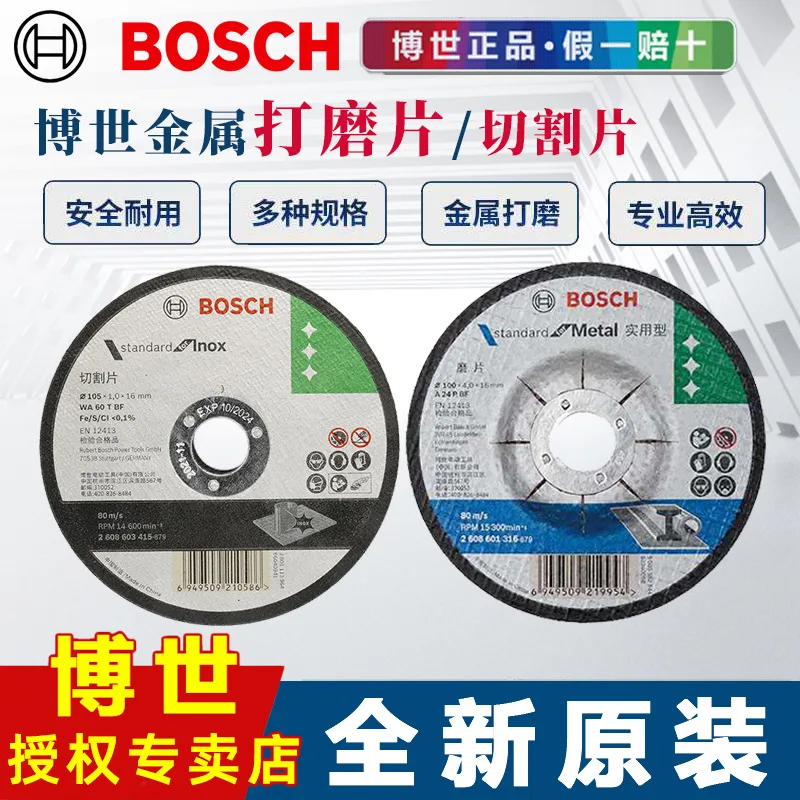
- Thickness and type. A cutting disc is thin and cuts; a grinding disc is thick and removes material. Using a cutting disc to grind side-loads it and cracks it.
- Material. Discs for steel and stainless steel are different products. Contamination from a mild steel disc on stainless steel causes rust bloom in the weld area.
Grinders and the discs that fit them
| Job | Tool and wheel | Why |
|---|---|---|
| Cutting bar, tube and sheet | Angle grinder with a thin cutting disc | Fast, clean cut with minimal heat into the part |
| Grinding a weld or a casting | Angle grinder with a thick grinding disc | Designed for face pressure, not just edge contact |
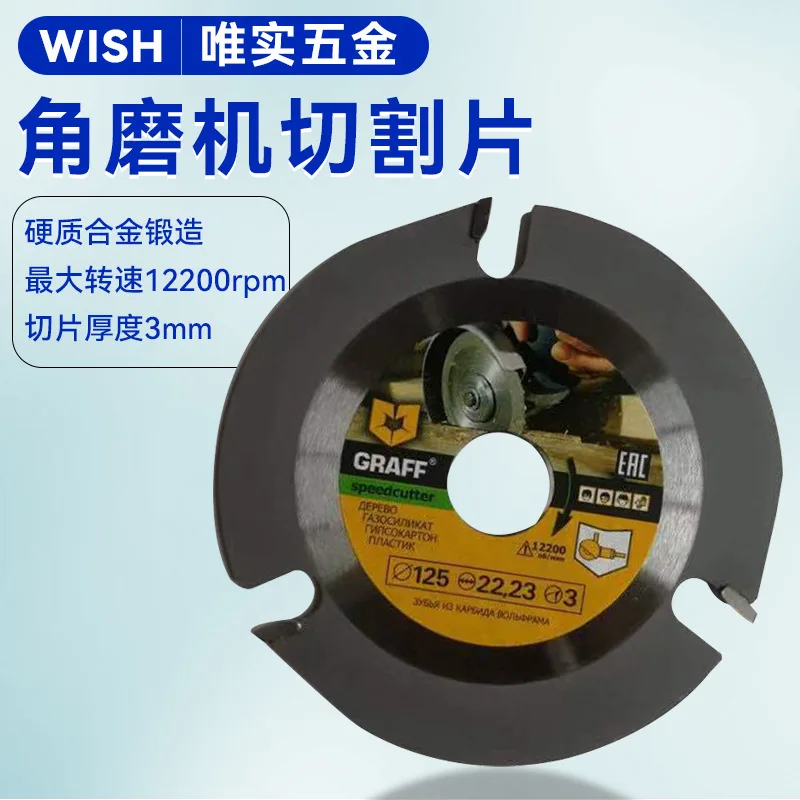
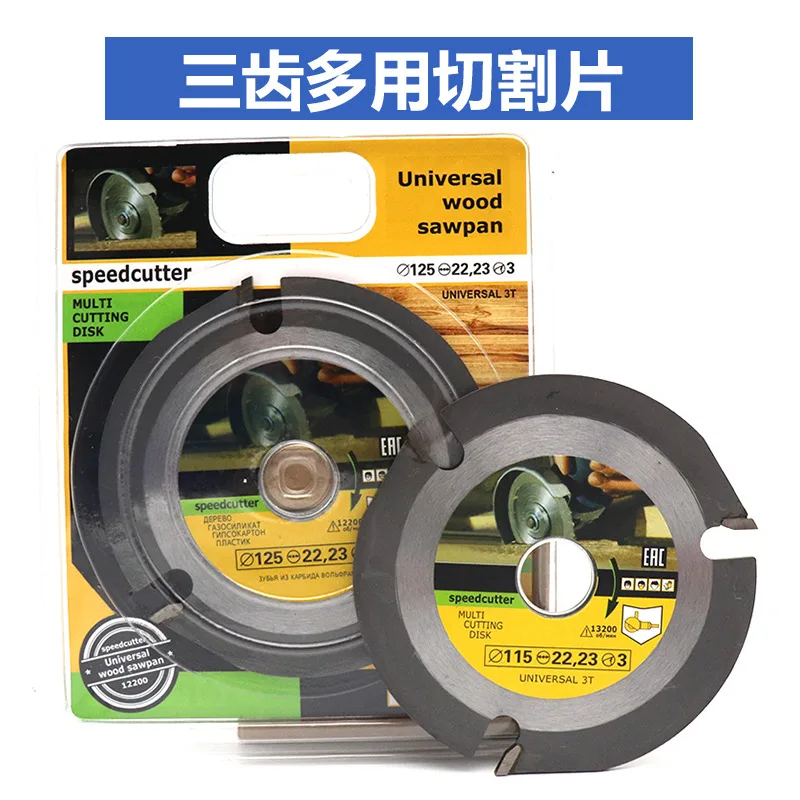
| Cutting timber with a grinder | Carbide tooth disc | Abrasive discs clog and burn on wood |
| Blending and finishing | Flap disc or abrasive blade | Leaves a blended surface instead of deep scratches |
Choosing the grinder
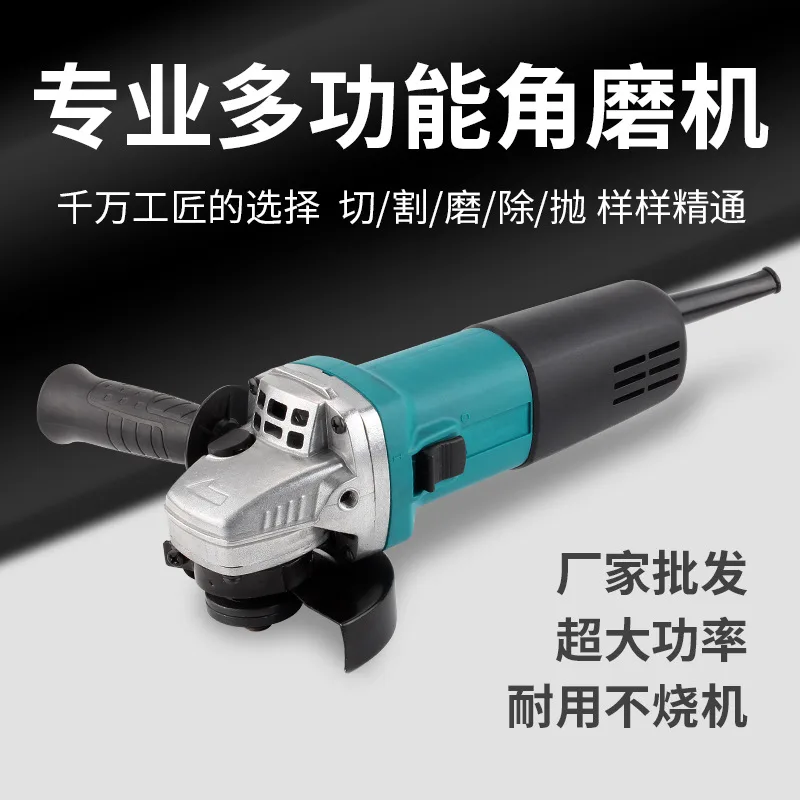
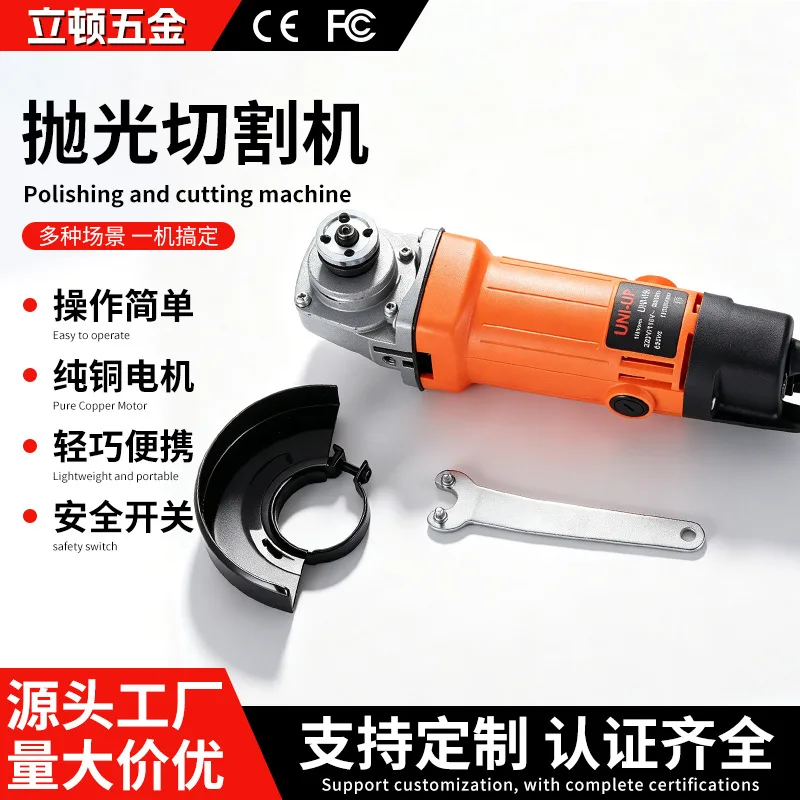
A mains-powered angle grinder for cutting, grinding and polishing covers the widest range of jobs, and the body size decides how it feels in a long session: a slim barrel suits one-handed work on a ladder, a larger body takes higher continuous load. A corded grinder for cutting and grooving with a brushed motor is the simple, serviceable option, and a multi-function mains grinder adds the ability to run different accessories on the same spindle. Buy the disc size you will use most, because the discs set the cost of ownership more than the tool does.
Cutting and grinding discs
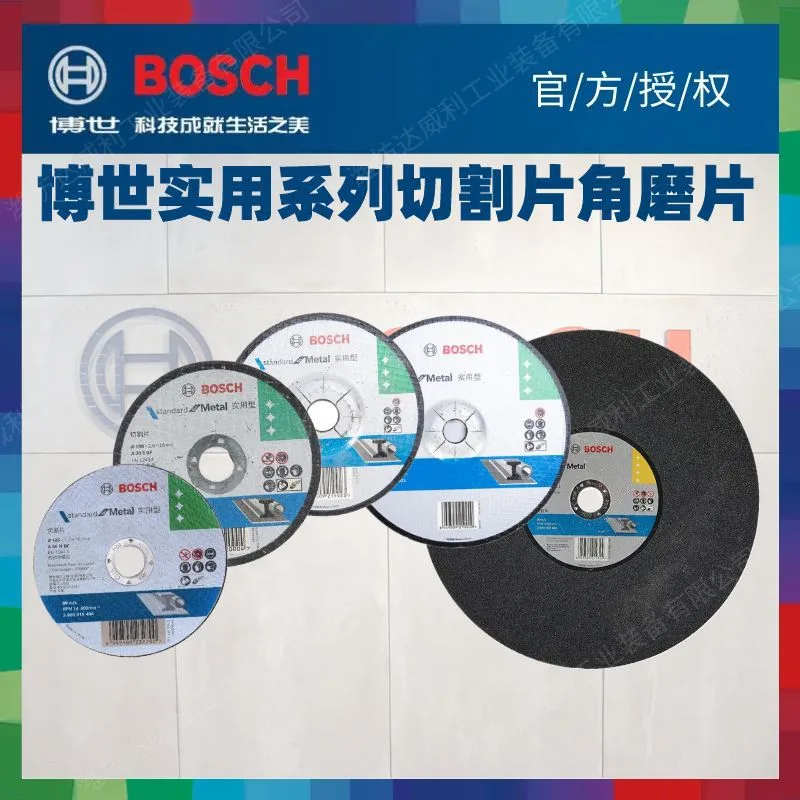
Angle grinder cutting and grinding discs from 100 to 355 mm in metal and stainless steel grades should be matched to the machine and the material rather than to the cheapest pack on the shelf. Where the job is timber, a carbide three-tooth wood cutting disc removes material without the clogging that stops an abrasive wheel, and a carbide grooving blade cuts a clean channel in the same material. For blending and stock removal, abrasive grinding and cutting blades and epoxy resin cutting discs in a range of diameters cover general metalwork.
Setting up so the grinder cannot bite
Most grinder accidents come from the disc grabbing the workpiece, and a grab happens when the wheel is loaded in the wrong direction or the part is unsupported. Hold the grinder so the wheel rotates away from the edge rather than into it, which pushes the tool away from you if it catches rather than climbing over the work. Support the workpiece on both sides of the cut so it cannot pinch the disc, and clamp it rather than holding it with one hand. Keep the guard on and positioned between the wheel and your hand: a guard that has been removed for convenience is the reason a disc failure becomes an injury.
Personal protection and the workshop around you
- Eye and face. Safety glasses are the minimum; a full face shield is the right choice for cutting and for wire brushing.
- Hearing. A grinder under load is loud enough to damage hearing over time, and hearing damage is cumulative and permanent.
- Respiratory. Grinding dust from stone and some coatings is a real hazard. Use extraction or a rated mask, not a bandana.
- Clothing. Sparks travel further than people expect. Keep flammables clear, and do not grind near anything that will ignite.
Disc care and the mistakes that cause failures
A disc is a consumable with a shelf life and a handling requirement. Store discs flat and dry, because damp and distortion damage the bond, and never use a disc that has been dropped or that shows a chip, crack or discoloured patch. Fit a disc with the correct flanges, tighten it without over-torquing, and run a new disc for a few seconds before applying load. Never cut with the side of a cutting disc, never grind with a cutting disc, and never remove the guard to fit a larger wheel. All three of those shortcuts are how bursting discs and jammed grinders happen, and no job is worth the risk.
Frequently asked questions
Can I put a 125 mm disc on a 115 mm grinder?
No. The guard will not cover it and the rim speed is higher than the machine was designed for. Buy discs in the size your grinder is rated for.
What is the difference between a cutting disc and a grinding disc?
A cutting disc is thin and cuts on its edge. A grinding disc is thicker and takes face pressure. Using a cutting disc for grinding cracks it.
Can I cut wood with an angle grinder?
Only with a disc intended for wood, such as a carbide tooth blade. An abrasive disc clogs, burns and can grab the timber violently.
Why does my grinder kick back?
The disc has grabbed the workpiece, usually because the part is unsupported or the wheel is loaded in the wrong direction. Support the work on both sides and cut so the wheel rotates away from the edge.
Do I need a variable-speed grinder?
For polishing, wire brushing and working stainless steel, yes: slower speeds reduce heat and prevent burning. For plain cutting and grinding, a single-speed machine is fine.
Where to start
Browse the full Power Tools range, or the wider Power Tools category if you also need saws, drills or finishing tools. Tell us the material, the disc size you use and whether you cut or grind most, and we will point you at the machine and wheel combination that fits.