Blog
Bench Grinders, Die Grinders, Sanders and Polishers Compared


Grinding, sanding and polishing are three different operations that are often confused, and the confusion costs money in ruined surfaces. Grinding removes material and changes a shape. Sanding smooths a surface and prepares it. Polishing refines a surface until it reflects. Each stage needs its own tool, its own abrasive and its own speed, and this guide covers the grinders, sanders and polishers we stock and where each one belongs.
The three stages and what they need
- Grinding. A hard wheel on a rigid machine, removing material to a line or dressing a weld. Speed matters and finish does not.
- Sanding. An abrasive on a moving pad, refining the surface. The grit sequence matters more than the machine, and skipping a grit is what leaves visible scratches.
- Polishing. A soft wheel with a compound, removing finer and finer marks. Speed has to come down, because heat destroys a polish and burns the surface.
Which machine for which stage
| Machine | Stage | Note |
|---|---|---|
| Bench grinder | Grinding, sharpening, dressing | Fixed machine, so the work is presented to the wheel |
| Die grinder | Grinding in confined spaces and inside bores | Small burrs, high rpm, easy to over-cut |
| Sander | Sanding and surface preparation | Orbital action cuts faster than it looks |
| Polisher | Polishing and buffing | Variable speed matters more than power |
Bench and die grinders
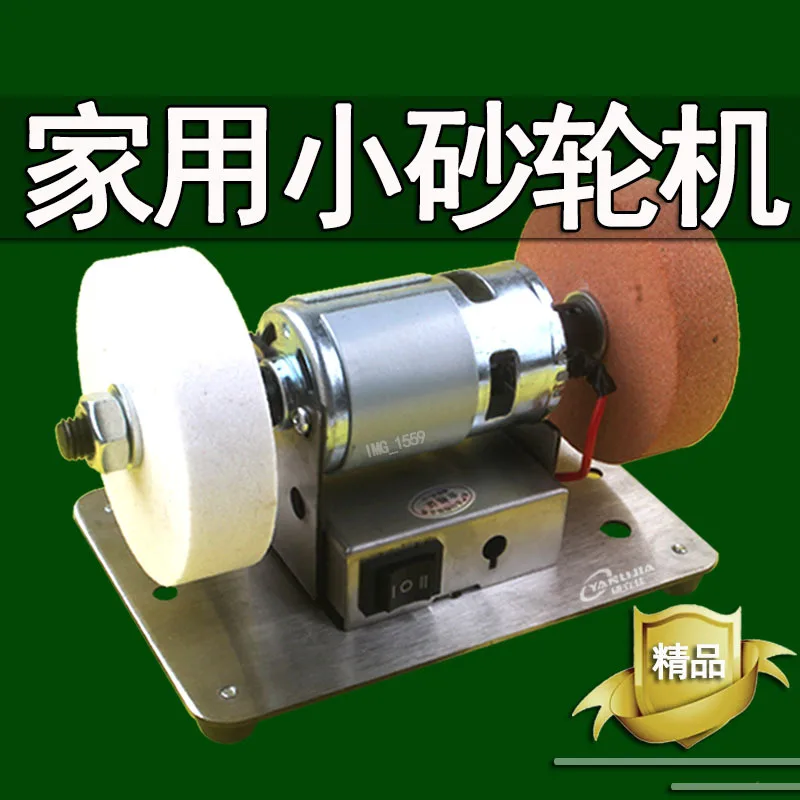
Bench grinders are the fixed station where you dress a chisel, sharpen a drill or remove a burr, and the wheel type and its state decide the result: a glazed wheel burns the steel instead of cutting it. Bench grinders in a range of sizes let you match wheel diameter and motor to the work. For work that cannot come to the machine, die grinders reach into a bore or a corner, and die grinders in a range of collet and body sizes cover different burr shanks. A die grinder cuts fast and takes material off before you notice, so keep the burr small and the pressure light.
Sanders for surface preparation
Electric sanders with a small number of options cover general preparation, and a wider range of sanders suits different pad sizes and orbits. The grit sequence is the technique: start coarse enough to remove the damage, then step through the grits without skipping any, because a scratch left by a coarse grit cannot be removed by the next one up. Change abrasive often, since a worn sheet polishes the surface instead of cutting it and generates heat that damages the workpiece.
Polishers and finishing
Electric polishers in 100 and 125 mm sizes and a second range of polisher sizes are the machines for the last stage. Polishing is a speed-controlled process: too fast and the compound burns onto the surface, too slow and nothing happens. Use a fresh pad for each compound and never mix compounds on one pad, because contamination from a coarser stage leaves scratches that cannot be polished out. Work in overlapping passes and clean the surface between stages rather than adding more compound.
Wheels, belts and consumables
- Wheel hardness. A wheel that is too hard glazes and burns; one that is too soft wears away and loses its shape. Match the wheel to the material, not to the machine.
- Dressing. A bench grinder wheel must be dressed regularly to expose fresh abrasive and keep the wheel true, or it will burn everything you present to it.
- Abrasive type. Aluminium oxide for steel, silicon carbide for stone and cast iron, zirconia for heavy stock removal.
- Backing. Pads and belts need the right backing hardness: a soft pad conforms to a curve, a hard pad stays flat.
Heat, dust and safety
Heat is the enemy of every finishing operation. It warps thin material, burns paint and wood, and destroys the temper of a cutting tool, so the answer is always a lighter pass rather than a longer one. Dust from sanding and polishing is a health hazard as well as a mess: use extraction or a rated mask, and remember that some coatings and timbers are genuinely toxic. A grinding wheel should be ring-tested or replaced if it has been dropped, and the guard and the tool rest on a bench grinder should be set close to the wheel so a workpiece cannot be drawn into the gap. For polishing, keep loose clothing and long hair away from the wheel, because a buff will grab them.
Speed, pressure and why lighter is faster
Every finishing stage has an optimum speed, and pushing past it slows the work down. Too much pressure on a grinding wheel glazes the abrasive and stops it cutting, so you press harder and glaze it further. Too much speed on a polisher burns the compound and the surface. The practical rule is to let the abrasive cut at its own rate: use the machine’s weight, check the surface often, and change to a fresh abrasive rather than leaning on a worn one. A sharp disc run at the right speed removes more material in a light pass than a glazed one does with your whole weight behind it.
Frequently asked questions
What is the difference between grinding and sanding?
Grinding removes material to change a shape, using a hard wheel. Sanding refines a surface, using an abrasive on a flexible backing.
Why does my bench grinder burn the steel?
The wheel is glazed or too hard, or you are pressing too hard. Dress the wheel to expose fresh abrasive and use a lighter touch.
Can I polish with a sander?
Only at the very fine end with the right pad and compound, and most sanders run too fast. A dedicated polisher with speed control gives a better result.
Do I need to step through every grit?
Yes. A coarse scratch cannot be removed by the next grit up, so skipping a grade means going back and starting again.
How often should I dress a grinding wheel?
Whenever it glazes, loses its shape or stops cutting freely. On a machine in regular use that is often, not once a year.
Where to start
Browse the full Power Tools range, or the wider Power Tools category if you also need saws, drills or grinders. Tell us the material, the finish you need and how much material has to come off, and we will point you at the machine and abrasive that fit.