Blog
Engravers, Knife Sharpeners and Electric Files for Bench Work

Two bench jobs look unrelated and share the same principle: removing a very small amount of material under control. Engraving marks a surface with a fine line, and sharpening restores an edge by removing metal at a consistent angle. Both fail for the same reason, which is using a tool that removes too much, too fast. This guide covers the engravers, sharpeners and electric files we stock and how to keep control of a delicate cut.
Control is the whole job
- Small tool, low speed. A delicate cut needs a small cutter and a controlled speed, not a powerful machine turned down.
- Rigid setup. Vibration is what turns a fine line into a wide groove, so the workpiece has to be clamped and the tool has to be held steadily.
- Consistent angle. For sharpening, the angle must be repeatable, because a freehand angle that drifts rounds the edge instead of creating it.
Tools for marking and finishing
| Job | Tool | Note |
|---|---|---|
| Marking metal, glass or plastic | Rotary engraver with a carbide point | Depth is controlled by pressure, so use a light hand |
| Repeating a design or a label | CNC or automatic engraving machine | Setup time only pays off over many parts |
| Restoring a knife or tool edge | Guided or diamond sharpener | The angle guide matters more than the abrasive |
| Deburring and fine shaping | Electric file with a small drum or belt | Removes material quickly, so keep passes short |
Rotary and CNC engraving
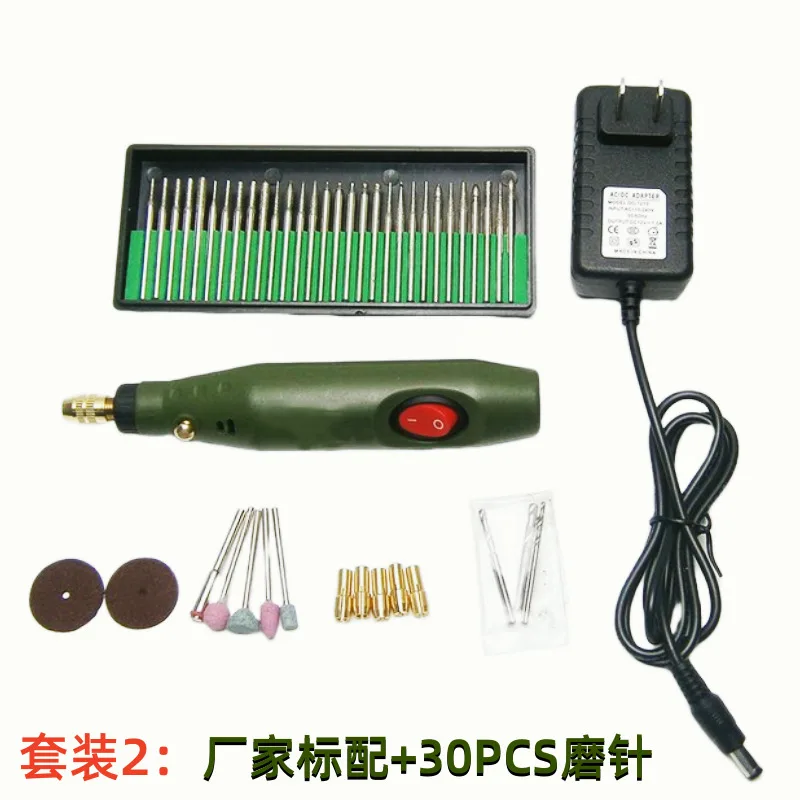
A 12 W mini rotary tool engraver with a range of models and plug options is the hand tool for marking a part number, a name or a serial on metal, glass or plastic, and the carbide point does the work, so pressure should be light and the passes repeated rather than forced. Where the same mark has to be repeated accurately, a CNC engraving machine with arc cutting takes the hand out of the process, and a portable automatic engraving and cutting machine does the same on site. Both need a rigid setup and a flat workpiece: a machine cannot compensate for a part that moves.
Knife sharpeners
Knife sharpeners with a guided angle restore an edge by holding the blade at a consistent angle, which is the part that freehand sharpening gets wrong. Diamond knife sharpeners cut faster and hold their flatness, which matters because a dished stone cannot produce a straight bevel. Sharpen in one direction, keep the pressure light, and finish by removing the burr on the other side of the edge, because a burr left in place feels sharp and folds over on the first cut.
Electric files for deburring and shaping
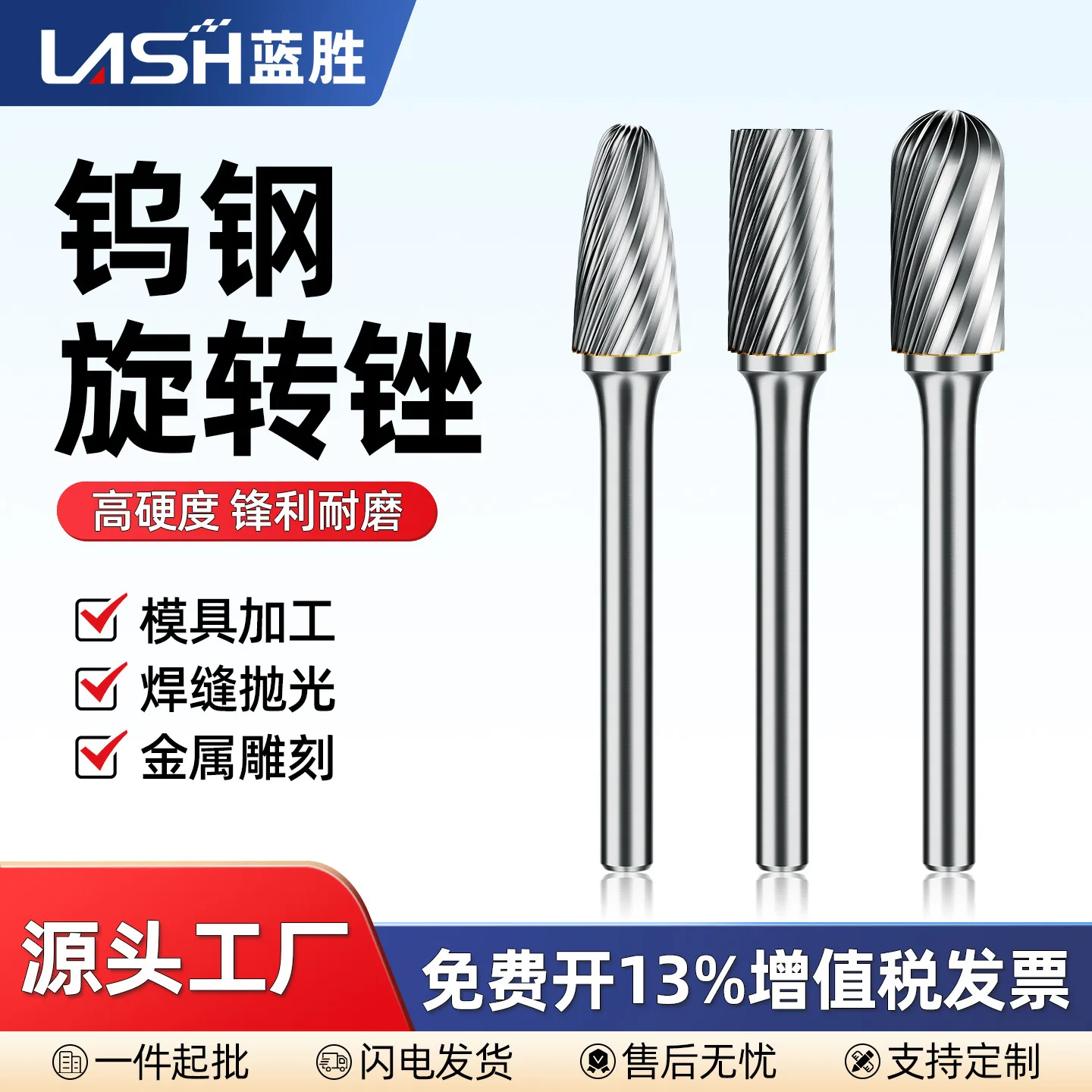
Electric files in a range of drum and belt sizes take a burr off an edge, ease a slot or shape a small part, and a second range of electric files covers lighter work. They remove material quickly, which is both the point and the risk: keep the tool moving, use light pressure, and stop to check the work often, because an electric file can take off a millimetre in the time it takes to look away. For deburring after machining, a fine drum run at moderate speed gives a better edge than a coarse one run fast.
Angles, abrasives and keeping control
- Sharpening angle. A kitchen knife is usually around 15 to 20 degrees per side, a chisel around 25 to 30, and a woodworking plane blade similar. Pick the angle and keep it consistent.
- Abrasive choice. Diamond cuts fastest and stays flat, ceramic wears more slowly than aluminium oxide, and natural stones need flattening.
- Heat. Sharpening and engraving both generate heat, which destroys the temper of a hardened edge. Cool the work or use lighter, shorter passes.
- Deburring. After every sharpening or cut, remove the burr, or the tool will feel sharp and cut badly.
Setup and safety around fine work
Fine work is done close to the tool, which is exactly where the risk is. Clamp the workpiece so both hands are free, and keep the cutter or the drum turning away from your body so a grab pulls the tool away rather than toward you. Wear eye protection, because fine metal and stone dust is exactly the kind of debris that reaches the eye, and use extraction or a mask on stone, glass and composite materials. Keep the cable clear of the work so a rotating burr cannot catch it, check that the cutter is tight before starting, and disconnect the tool before changing a drum, belt or point. On a machine, watch the first part closely and adjust the setup rather than the operator.
Choosing between a hand tool and a machine
The decision is about volume, not difficulty. A hand engraver marks a few parts perfectly well, and setup takes seconds. A CNC or automatic machine only makes sense when the same mark is repeated often enough that setup time is recovered, because the machine needs a flat workpiece, a rigid fixture and a written program. The same logic applies to sharpening: a guided hand sharpener suits a workshop with a dozen blades, while a powered sharpening station suits a shop that sharpens every day. Buy the machine for repetition, and the hand tool for variety.
Frequently asked questions
Can I engrave hardened steel?
With a carbide or diamond point and light pressure, yes, but it will wear the point. Hardened steel is best marked by etching or with a purpose-made diamond marker.
What angle should I sharpen a knife at?
Around 15 to 20 degrees per side for a kitchen knife. A tool edge that has to take impact, such as a chisel, wants a wider angle of about 25 to 30 degrees.
Do I need a guided sharpener?
It helps more than any abrasive choice, because consistency of angle is what creates an edge. Freehand sharpening works with practice, but it takes practice.
Why does my edge feel sharp but cut badly?
A burr is left on the edge and folds over on the first cut. Remove the burr on the other side with a light pass to finish.
How do I stop a fine cut wandering?
Clamp the workpiece, use a small cutter at moderate speed, and take repeated light passes. Vibration and pressure are what widen a line.
Where to start
Browse the full Power Tools range, or the wider Power Tools category if you also need bench tools, grinders or finishing equipment. Tell us what you mark or sharpen, and how often, and we will point you at the tool and the abrasive that fit.