Blog
Abrasive Materials: Aluminium Oxide, Silicon Carbide, Zirconia and Diamond

The name on the packet of an abrasive tells you the grain, and the grain is what decides whether the tool cuts the workpiece or the workpiece wears out the tool. Aluminium oxide, silicon carbide, zirconia, ceramic and diamond all cut, and they behave very differently on steel, timber, paint and stone. This guide explains what each abrasive material is for and where the choice actually changes the result.
The abrasive materials and what they suit
- Aluminium oxide. Tough and cheap, fractures as it wears to expose fresh edges. The default for wood and steel.
- Silicon carbide. Sharper and more brittle than aluminium oxide. Best on paint, filler, stone, cast iron and wet work.
- Zirconia alumina. Self-sharpening under pressure, which makes it the choice for heavy stock removal on steel.
- Ceramic grain. The hardest of the conventional grains, cuts coolest and lasts longest, at the highest price.
- Diamond. For hardened steel, carbide, glass, stone and ceramics, and for keeping a cutting edge flat.
Material selection at a glance
| Workpiece | Best grain | Why |
|---|---|---|
| Softwood and hardwood | Aluminium oxide | Cuts cleanly without loading the sheet |
| Paint, varnish and filler | Silicon carbide | Sharper grain slices rather than smears |
| Mild steel and weld dressing | Zirconia or ceramic | Survives pressure and heat without glazing |
| Hardened steel, carbide and glass | Diamond | Harder than the workpiece, so it keeps cutting |
| Stone, tile and concrete | Silicon carbide or diamond | Withstands abrasion and heat |
Alumina-based abrasives
Self-adhesive sandpaper sheets in brown fused alumina on a fleece backing are the general-purpose abrasive for wood and metal, and the self-adhesive backing is what lets you stick them to a block, a platen or a machine pad so the surface stays flat. Brown fused alumina is the tough, economical grain, and it is the right starting point unless the material is unusually hard or the surface is paint.
Diamond abrasives for hard material
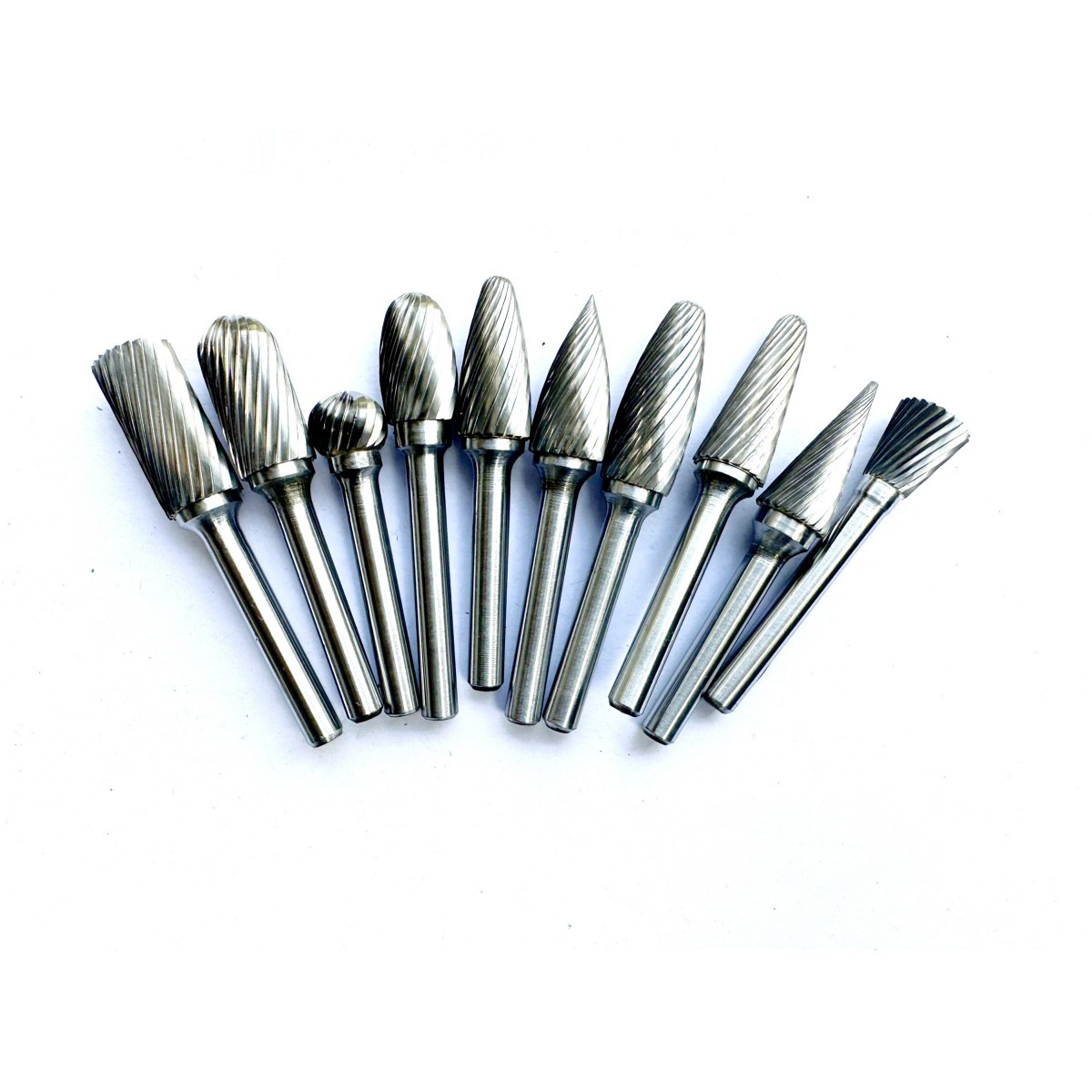
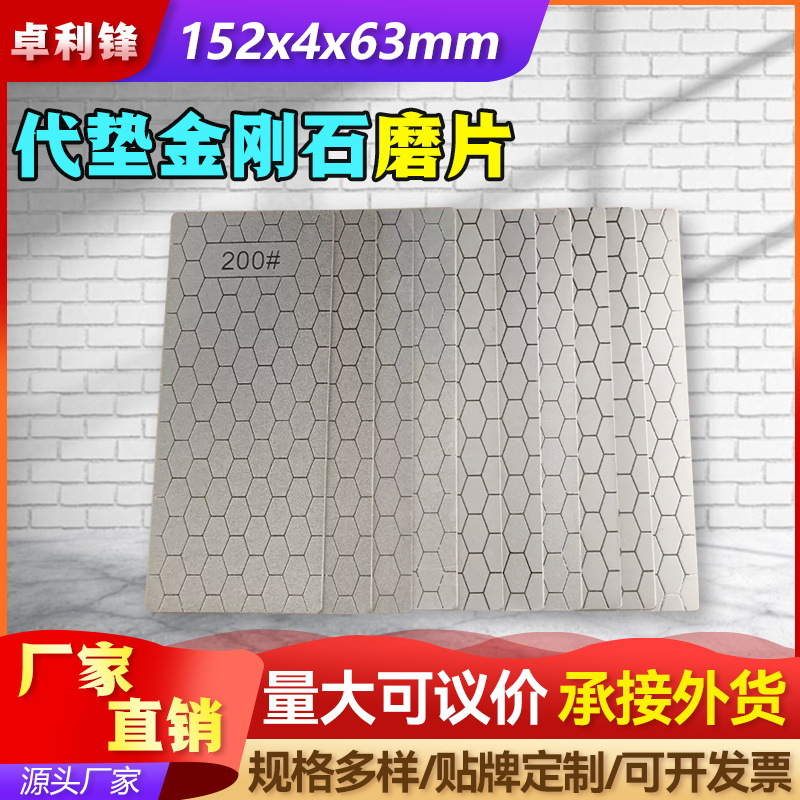
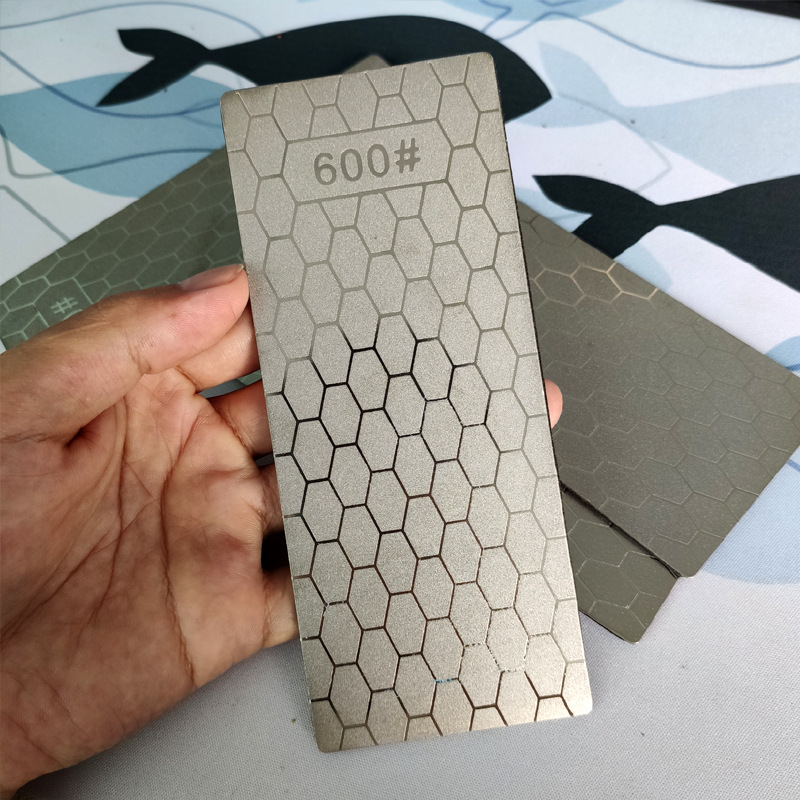
A rectangular diamond sharpening plate in 152 x 63 mm from 50 to 3000 grit stays flat, which is why diamond is the abrasive of choice for edge tools: a dished stone cannot produce a straight bevel. A square honeycomb diamond grinding pad, with or without a base does the same job on a larger surface and clears swarf through the honeycomb openings, which keeps the pad cutting instead of gliding. A double-edge abrasive burr set in YG8 is the tool for deburring and shaping hard material, where a conventional file would simply skate across the surface.
Emery and nylon abrasives for cleaning
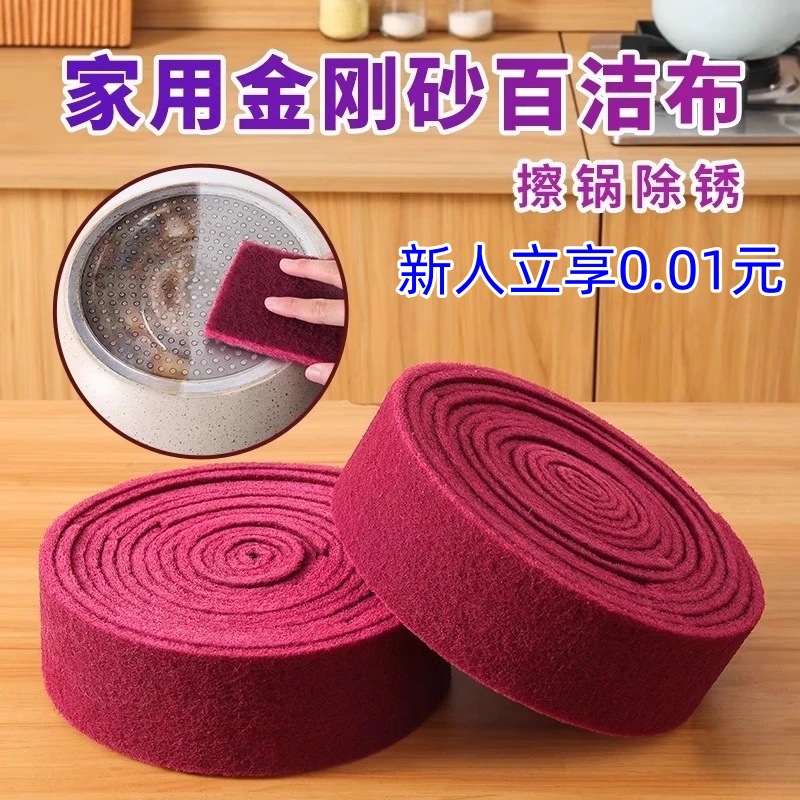
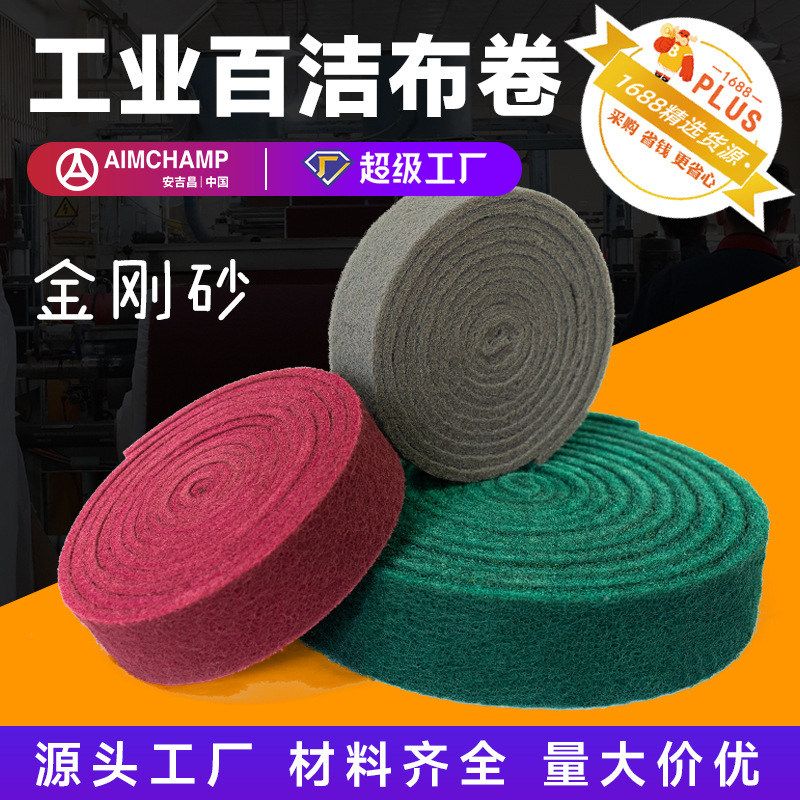
Where the job is cleaning rather than shaping, the abrasive is bonded to a cloth so it can be wrapped around a hand or a roll and used on a curved surface. An emery scouring cloth roll in 60 mm width removes rust and grease from pipe, bar and sheet, and a nylon emery cloth roll in 180 and 320 grit is the finer version for cleaning without scratching the surface underneath. These are the abrasives for preparation: stripping a surface back to something a coating will adhere to, rather than removing material to a line.
Grain size, spacing and loading
Two properties of an abrasive belt, sheet or pad decide how it behaves in use, and neither is the grain material.
- Coat density. A closed coat covers the backing completely and cuts aggressively on hard material. An open coat leaves gaps so swarf escapes, which is what stops paint and softwood clogging the sheet.
- Bond. Resin bonds resist heat and are used on belts and discs; glue bonds are for light hand work. A failing bond sheds grain, which is why the abrasive suddenly stops cutting.
- Backing weight. Heavier paper or cloth holds its shape under pressure. Light backing conforms to curves and tears on edges.
Choosing on cost, not just price
The cheapest abrasive is rarely the cheapest way to finish a job. A ceramic belt that cuts for four times as long as a cheap alumina belt costs more per belt and less per part, and it generates less heat, which matters on hardened steel and on thin sheet that would otherwise distort. The same logic applies to diamond: a diamond plate costs several times a sheet of paper and stays flat for years, so it is the economical choice wherever accuracy matters. Match the grain to the material first, then buy the best bond and backing you can justify, because the abrasive is the part that is actually doing the cutting.
Storing abrasives so they still cut
Abrasive is not inert. Paper-backed sheets absorb moisture and lose their bond, belts take a set if they are folded, and diamond plates survive almost anything except rust on the steel backing. Store sheets flat in a dry place, hang belts rather than creasing them, and keep diamond plates lightly oiled if the backing is plain steel. Keep abrasive away from the floor, where grit and damp collect, and keep belts and sheets separated by grit so a stray coarse sheet does not end up in a fine sequence. A dusty sheet that has been sitting open on a bench will not cut the way it did when new.
Frequently asked questions
Is silicon carbide better than aluminium oxide?
Neither is better in general. Silicon carbide is sharper and more brittle, which suits paint, filler and stone. Aluminium oxide is tougher, which suits wood and steel.
What grain is used for grinding steel?
Aluminium oxide for general work, zirconia or ceramic for heavy stock removal where the belt or disc has to survive pressure and heat.
Why does my abrasive stop cutting so quickly?
It has loaded with swarf, glazed from heat, or shed its grain because the bond failed. Use an open coat, reduce pressure, and match the grain to the material.
Do I need diamond for sharpening?
For hardened tool steel and carbide, yes, and diamond also stays flat. For soft kitchen knives, a conventional stone is enough.
What is the difference between emery cloth and sandpaper?
Emery cloth has an abrasive bonded to a cloth backing, so it bends and survives being wrapped around a surface. Sandpaper uses a paper backing and tears on edges.
Where to start
Browse the full Abrasive Materials range, or the wider Abrasives category if you also need belts, discs or polishing wheels. Tell us the material and whether you are shaping it or cleaning it, and we will point you at the grain, bond and backing that fit.