Blog
Air Impact Wrenches, Ratchets and Screwdrivers: Torque and Airflow


An air impact wrench is the tool that made air worthwhile in a workshop. It puts a large amount of torque into a body you can hold in one hand, it does not care how long the fastener takes, and it stalls rather than burning when a bolt will not move. The catch is that torque figures are set by air supply as much as by the tool, and an impact wrench running on an undersized hose will underperform for reasons that are hard to see. This guide covers the air impact wrenches, ratchets and screwdrivers in this range.
What the numbers mean
- Torque. The tightening and breaking figure at the tool, quoted in newton metres or foot pounds, and always measured at full supply pressure with unrestricted flow.
- Air consumption. Quoted in litres or cubic feet per minute. This, not the torque figure, is what decides whether a compressor can run the tool properly.
- Drive size. Half inch for wheel nuts and general mechanical work, three eighth inch for lighter assembly, quarter inch for small fasteners and trim.
- Anvil and socket. Use impact-rated sockets only. A standard chrome socket will crack under an impact driver, and the failure is a shrapnel event.
Impact wrenches
Half inch and three eighth inch machines
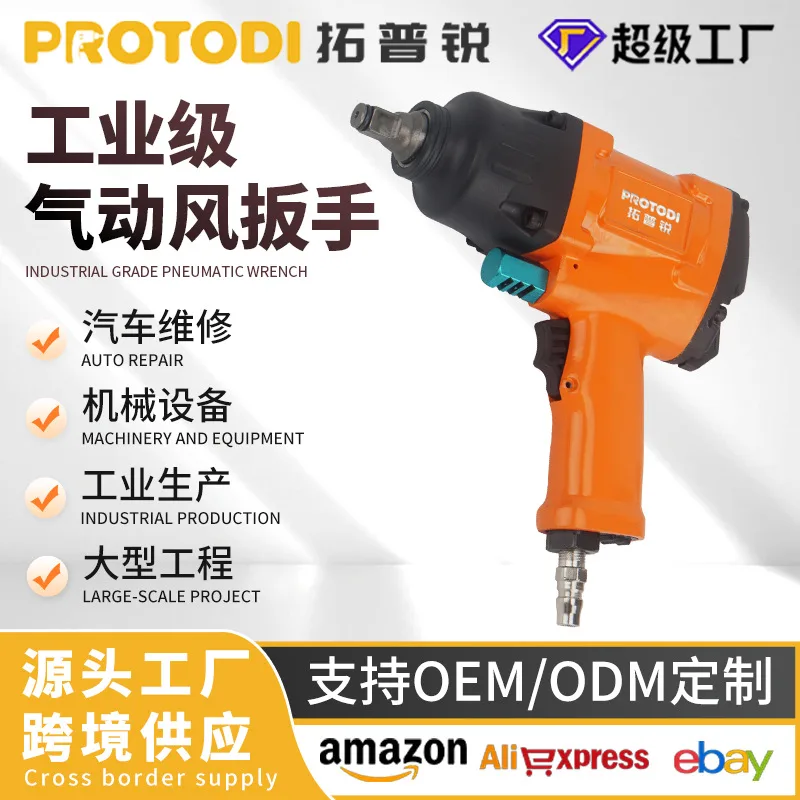
An air impact wrench in 850 and 1560 sizes and a second impact wrench range in 160, 260, 261 and 292 sizes cover the two ends of mechanical work. The larger machines are for breaking a stubborn fastener free, where the technique is to start gently and let the mechanism work rather than holding the trigger down and waiting. The smaller ones are for assembly, where control matters more than raw torque and an over-tightened fastener damages the thread or the part. Either way, run the tool on a hose of adequate bore and check the regulated pressure at the tool with it running, not with the trigger released, because pressure that looks right at rest can collapse the moment air starts flowing.
Air ratchets and screwdrivers
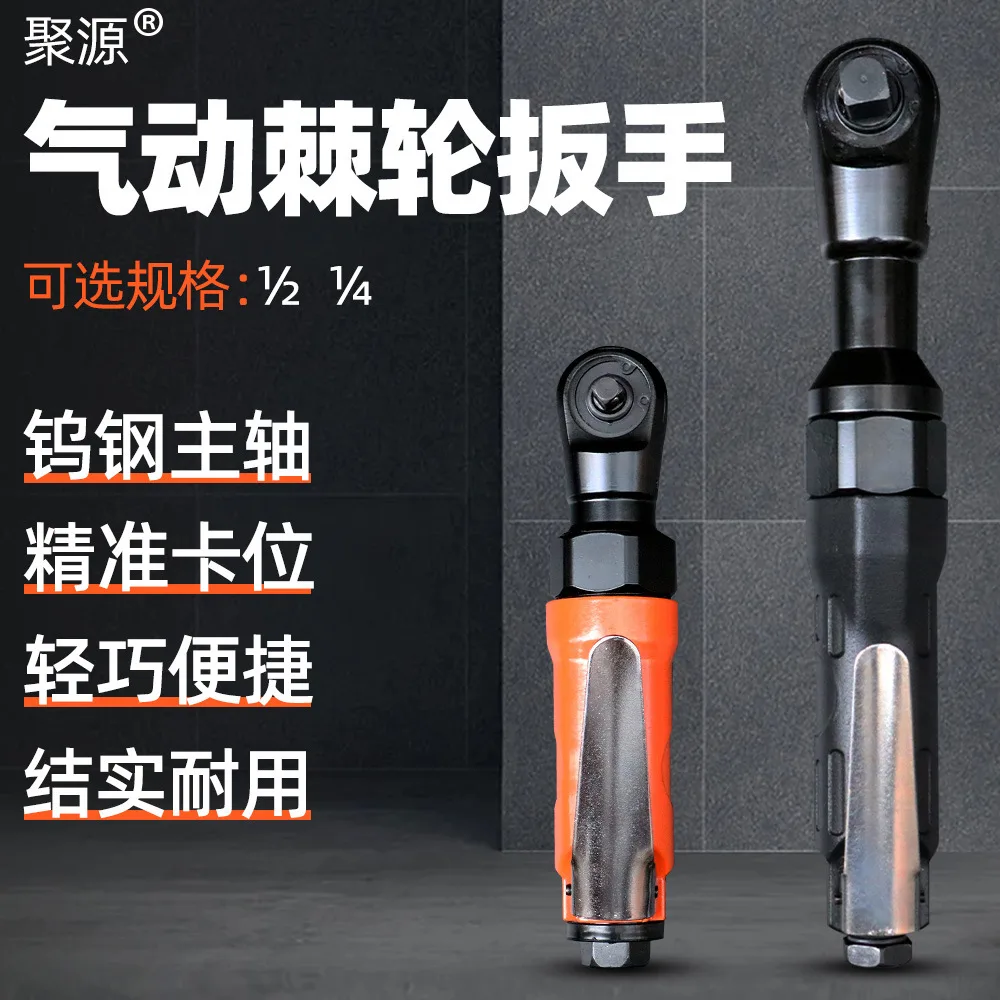
A ratchet wrench is not a small impact wrench, and treating it as one is how they get broken. A ratchet delivers steady torque through a pawl mechanism, so it tightens smoothly and it will stall rather than hammer a fastener loose; that makes it the tool for assembly and for reaching a bolt in a space too tight for a hand and a bar. An air ratchet wrench in two configurations and a second ratchet range with nine options cover the sizes used on engines, transmissions and brackets. Use them to run a fastener down and then finish with a torque wrench, because a ratchet has no way of telling you how tight the joint is.
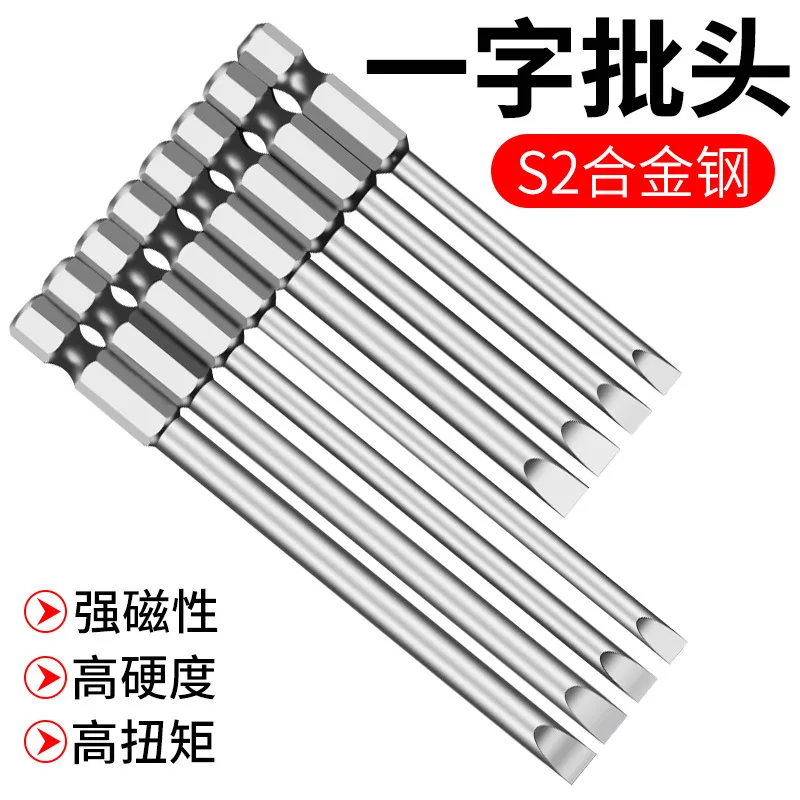
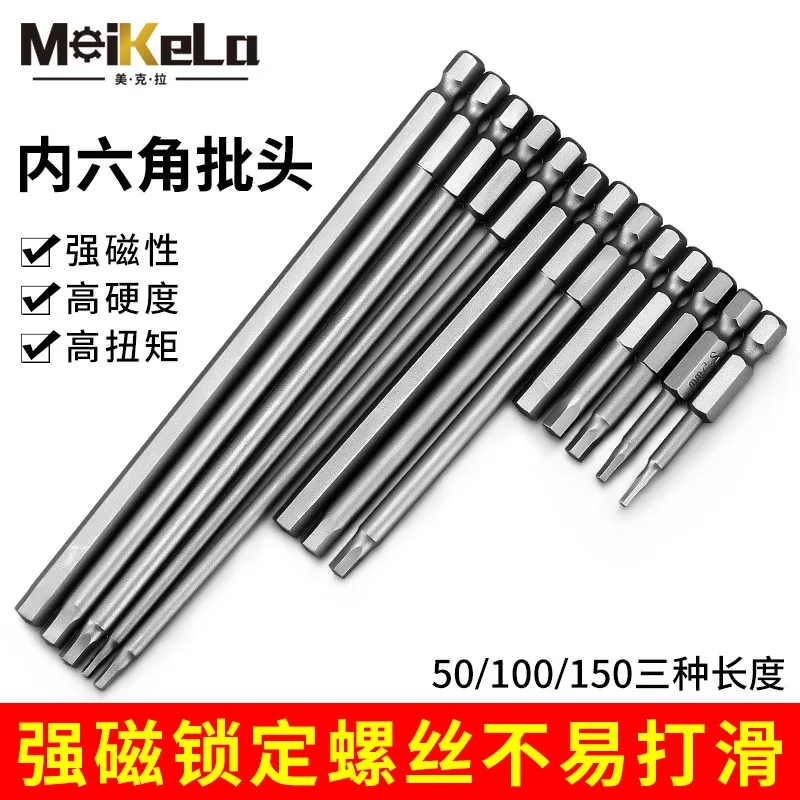
Screwdrivers are the smallest end of the same idea. An air screwdriver in 100 and 150 sizes with sixteen options and a second air screwdriver range in 150, 1.5 by 50, 2.0 by 50 and 3.0 by 50 sizes are for repetitive assembly, where the tool does thousands of the same fastening and the operator cares about speed and consistency rather than maximum torque. Dial the torque down before the first fastener, not after stripping one, and keep the bit holder clean, because a worn bit rounds a screw head faster than any amount of power.
Getting torque out of the line
- Regulate at the tool. Fit a filter regulator close to the work and set it with the tool running. Pressure loss through a long hose is the most common cause of a weak impact wrench.
- Short, fat hose. Keep the working hose short and the internal bore generous. Every metre of thin hose costs flow.
- Impact sockets. Chrome sockets are not built for hammering. A cracked socket under an impact tool is a genuine injury risk.
- Oil every day. A few drops at the inlet before work keeps the vanes sealing and the tool producing the torque it is rated for.
- Do not hold the trigger down on a stubborn fastener. Run the wrench in short bursts, let the mechanism strike, and add penetrating oil before trying again.
- Check the joint afterwards. An impact wrench can over-tighten a small fastener in seconds. Finish critical joints with a torque wrench.
Matching the drive size to the work
| Drive | Typical work | Note |
|---|---|---|
| 1/4 in | Small fasteners, trim and interior work | Low torque, high control |
| 3/8 in | Light assembly and brackets | The general-purpose ratchet and driver size |
| 1/2 in | Wheel nuts, suspension, general mechanical | The size most impact wrenches are bought for |
| 3/4 in and above | Heavy plant and truck work | Needs a large compressor and a large bore hose |
Drive size is really a statement about airflow. A half inch impact wrench that performs properly needs a compressor and a hose that can feed it, and the same tool on a quarter inch coiled hose will feel like a toy. Decide the drive size from the fastener, then size the air supply from the tool, in that order.
Frequently asked questions
How much torque do I need from an impact wrench?
Enough to break the fastener with a margin, and no more. Large machines for seized fixings, smaller ones for assembly, because too much torque damages threads and parts.
Why does my impact wrench feel weak?
Airflow, in most cases. Check the hose bore and length, set the regulator with the tool running, and confirm the compressor can sustain the consumption figure.
Can I use normal chrome sockets on an impact wrench?
No. Use impact-rated sockets, which are made to take hammering. A chrome socket can crack and throw fragments.
What is the difference between an impact wrench and an air ratchet?
An impact wrench hammers to break fasteners loose. A ratchet turns smoothly through a pawl, which makes it an assembly tool that stalls rather than an impact tool.
How often should I oil an air wrench?
A few drops at the inlet before each session, or continuously through an inline lubricator. Dry running wears the vanes and the tool loses torque.
Where to start
Browse the full Air Tools & Spraying range, or the wider Air Tools & Spraying category if you also need grinders, spray guns, hoses or pumps. Tell us the fastener size, the torque and the compressor you have, and we will point you at the drive size and air supply that fit.