Blog
Air Tools: Drills, Motors and What Compressed Air Does Better


Compressed air is the oldest power source in a workshop and it is still there because it does three things electricity cannot. An air tool can run all day without a motor to overheat, it stalls without burning out, and it puts a high power output into a body light enough to hold overhead with one hand. The trade is that everything depends on the compressor behind it. This guide covers the air tools in this range and the supply side that decides whether they work.
Where compressed air wins
| Property | Air tool | Cordless tool |
|---|---|---|
| Continuous duty | Runs until the compressor gives up | Limited by battery and motor heat |
| Power to weight | Very high, ideal overhead and one-handed | Motor and battery add weight |
| Stalling | Stalls and restarts, no damage | Heat builds fast when stalled |
| Dust and water | Tolerant if the line is filtered | Ingress protection varies |
| Setup | Needs a compressor and a clean line | Needs a charged battery |
The air tools in this range
Air drills
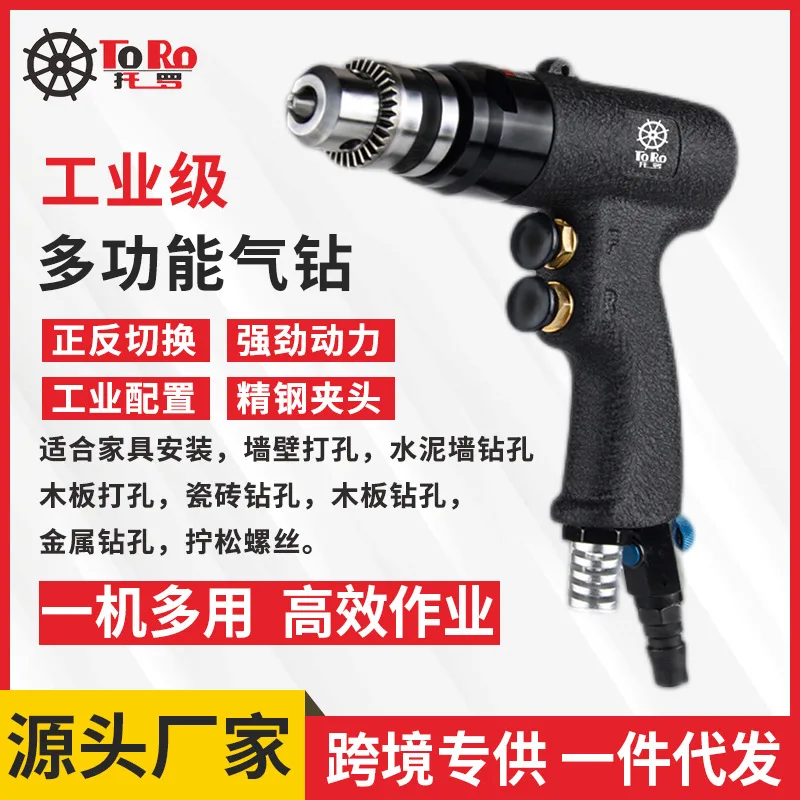
An air drill with 13 configurations and a second air drill range in 5301, 5100, 5120 and 5200 sizes cover drilling where a cordless drill is too heavy or too hot. Air drills are short, light and, most usefully, happy to run continuously; on a production job with hundreds of holes they do not slow down as the work goes on. They also stall rather than burn, which matters when a bit grabs in thin sheet. The limit is airflow: a small compressor will run a light drill and will not run a large one, and the tool will feel weak rather than broken.
Air motors
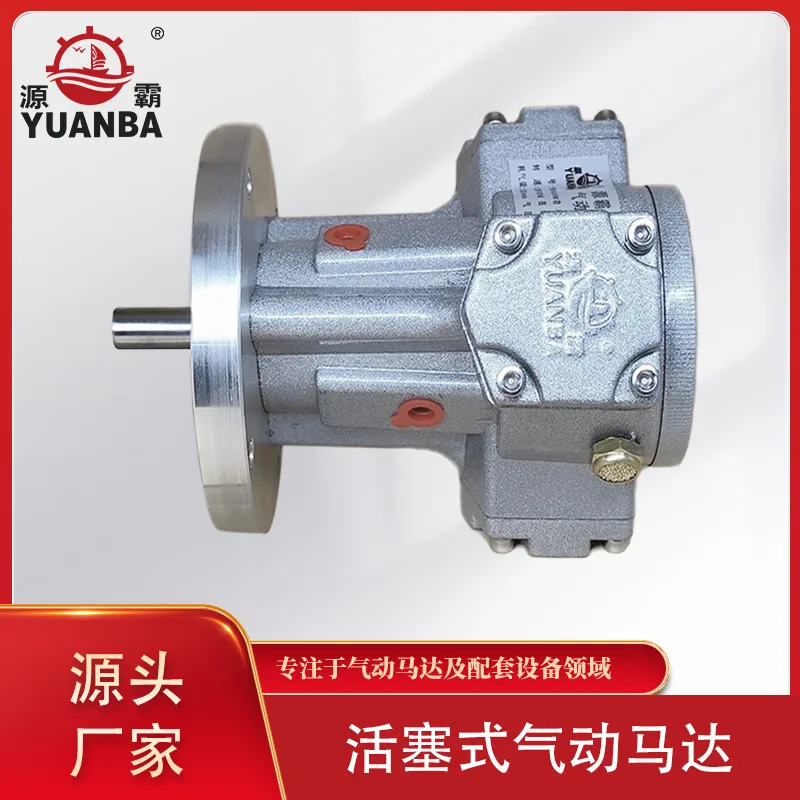
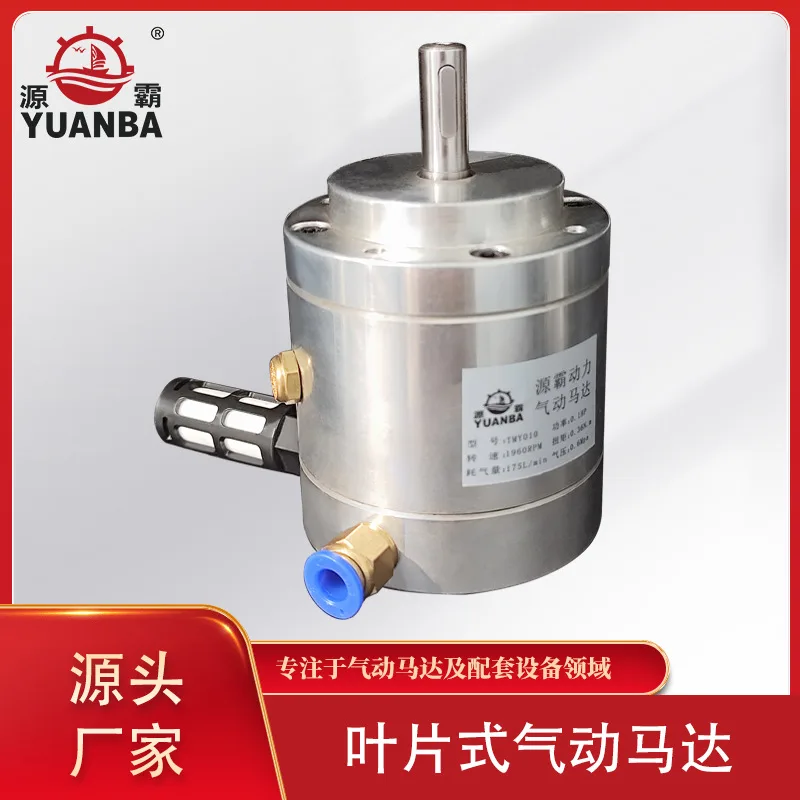
An air motor for workshop and vehicle use and a compact air motor in two configurations are the building blocks behind a lot of air equipment. An air motor converts pressure and volume into rotation with no electrical parts, so it can be stalled, reversed and run in wet or dusty conditions without the failure modes of an electric motor. They turn up in mixers, winders, pump drives and any machine where a small rotary drive has to be explosion-safe or simply immune to being overloaded.
Blow guns and general air tools
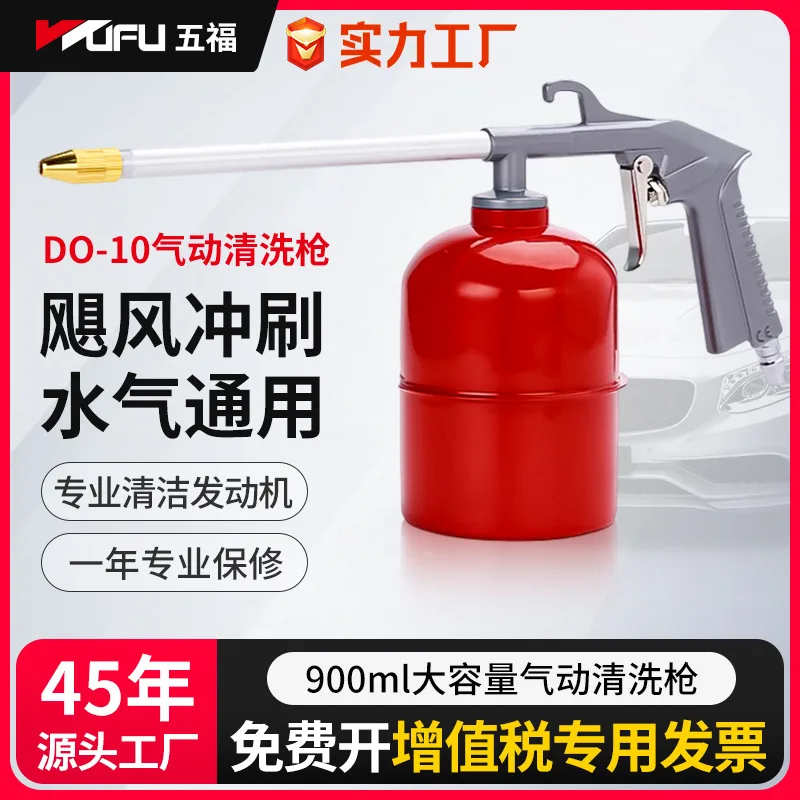
A high-pressure pneumatic dust blow gun is the tool people reach for first and it is the one with the most safety attached. Air at workshop pressure will drive chips into skin and eyes, and a blow gun used for cleaning a machine is only safe with eye protection, a low nozzle pressure and a nozzle that cannot be sealed against the body. Other air tools in 018 and 8 by 5 configurations and a second general air tool range in alloy steel fill out the everyday jobs where air is simply the most convenient power on the line.
What the compressor has to deliver
An air tool is only as good as the air arriving at its inlet, and that is where most disappointing setups fail.
- Free air delivery. Compare the compressor rating with the tool consumption and add a margin. A tool rated at a given consumption needs that volume at pressure, not at the tank gauge.
- Pressure at the tool. Set the regulator with the tool running. Pressure that reads correctly at rest will drop when the air starts moving through a long or narrow hose.
- Hose bore and length. A long, thin hose is a restriction. Short and fat at the working pressure beats long and thin every time.
- Tank size. The tank buffers demand. A small tank with a large tool means the compressor runs continuously and the tool still feels weak.
- Clean, dry air. Water and oil carried through the line wash the lubricant out of the tool and cause rust in the mechanism. A filter regulator and a drip leg are not optional on a serious line.
- Lubrication. Air tools need oil in the air, delivered by an inline lubricator or a few drops at the inlet before use. A tool run dry wears its vanes out quickly.
Working safely with air
Compressed air is stored energy and it deserves the same respect as any other power source. Wear eye protection whenever a blow gun or an impact tool is in use, because chips and fastener fragments travel fast. Never point a blow gun at skin: air at workshop pressure can be injected under the skin and that is a hospital visit. Use a nozzle rated for the job and keep the pressure down for cleaning. Fit whip checks or a safety cable at every hose coupling so that a parted fitting does not whip across the workshop, and check the hose for cracks before connecting it. Impact sockets only, on impact tools, and never hold a socket by hand while the trigger is live. Finally, switch the compressor off and vent the line before changing a tool, because a charged hose holds pressure long after the motor stops.
Frequently asked questions
What size compressor do I need for air tools?
Match the free air delivery to the tool consumption and leave a margin, then check the pressure at the tool with it running. Tank size buffers demand; it does not replace flow.
Can I run an air tool on a small portable compressor?
For short bursts, yes. For continuous work the tool will feel weak and the compressor will run without pause. Intermittent tools such as a blow gun or a nailer suit a small tank far better than a grinder or a drill.
Do air tools need oil?
Yes, unless the tool is explicitly sold as oil-free. A few drops at the inlet each day, or an inline lubricator, is what keeps the vanes sealing and the tool producing its rated power.
Why does my air drill slow down under load?
Almost always a flow problem rather than a tool problem: too long or too narrow a hose, a regulator set with the tool stopped, or a compressor that cannot keep up.
Is an air tool safer than an electric one in a wet workshop?
It avoids the electrical risk, which is why air is still used in wet and explosive atmospheres. It brings its own hazards, so eye protection and a safe blow gun are still essential.
Where to start
Browse the full Air Tools & Spraying range, or the wider Air Tools & Spraying category if you also need spray guns, hoses or pumps. Tell us the job, the duty cycle and the compressor you have, and we will point you at the tool and the air supply that fit.