Blog
Air Spray Guns: Nozzle Size, Pressure and a Finish Without Runs

A spray gun is a metering device, not a paint dispenser. The finish it produces is decided by how well the gun breaks the liquid into droplets, how those droplets land on the surface and how fast the solvent leaves them afterwards. Get the nozzle, the pressure and the viscosity right and the coat flows out flat; get any one of them wrong and the result is orange peel, runs or a dry, dusty surface. This guide covers the spray guns and coating equipment in this range and how to set them up.
How a spray gun atomises paint
- Air cap and nozzle. The pair that decides the fan shape and the droplet size. The nozzle sets the fluid flow and the air cap shapes it.
- Fluid tip size. Quoted in millimetres. Thin material needs a small tip; high solids and primer need a larger one.
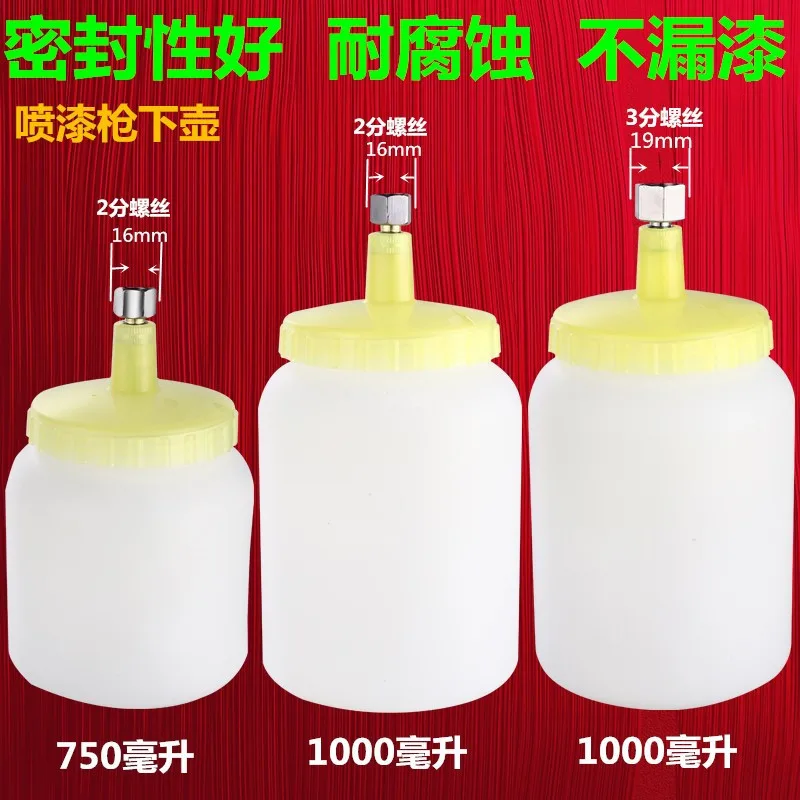
- Feed method. Gravity, suction or pressure. Gravity feeds from a cup on top, which is easy to clean and works at low pressure.
- Atomising pressure. Set at the gun inlet with air flowing. Too little gives a spattered pattern; too much dries the coating in the air.
- Viscosity. Thin the material to the gun, not the gun to the material. A viscosity cup and the manufacturer data are the reference.
Guns and equipment in this range
| Tool | Best for | Note |
|---|---|---|
| Gravity feed gun | Automotive and general topcoat | Low pressure, easy clean, small volume |
| Suction feed gun | Larger areas, primer, bulk work | Bigger pots, more airflow needed |
| HVLP gun | Fine work, leather, low overspray | High transfer efficiency |
| Blasting and coating kit | Surface preparation, rust removal | Preparation before any coating |
Gravity feed guns
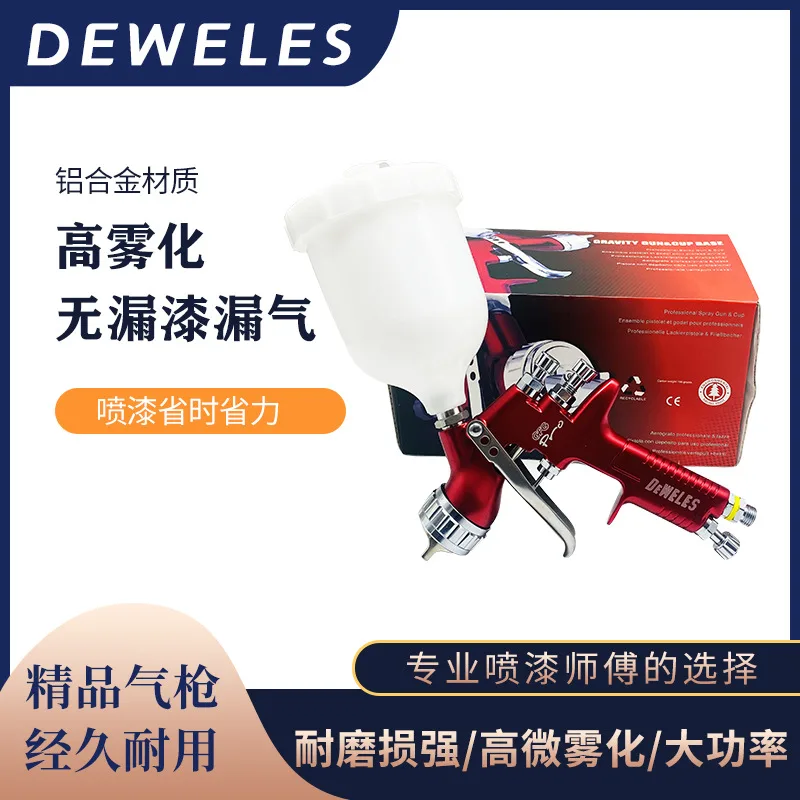
A forged gravity feed air spray gun with 1.3 mm and 1.8 mm nozzles is the general purpose starting point. The cup sits above the nozzle, so the material feeds by gravity and the gun can run at a lower atomising pressure than a suction gun, which means less overspray and more of the paint arriving on the panel. The two nozzles cover the usual split: 1.3 mm for a thinned topcoat and 1.8 mm for primer or a high solids material. Set the pattern with the fluid and fan controls, test on a scrap panel before the real one, and keep the gun clean between coats, because dried material in the air cap is what causes an uneven fan.
Suction feed and general purpose guns
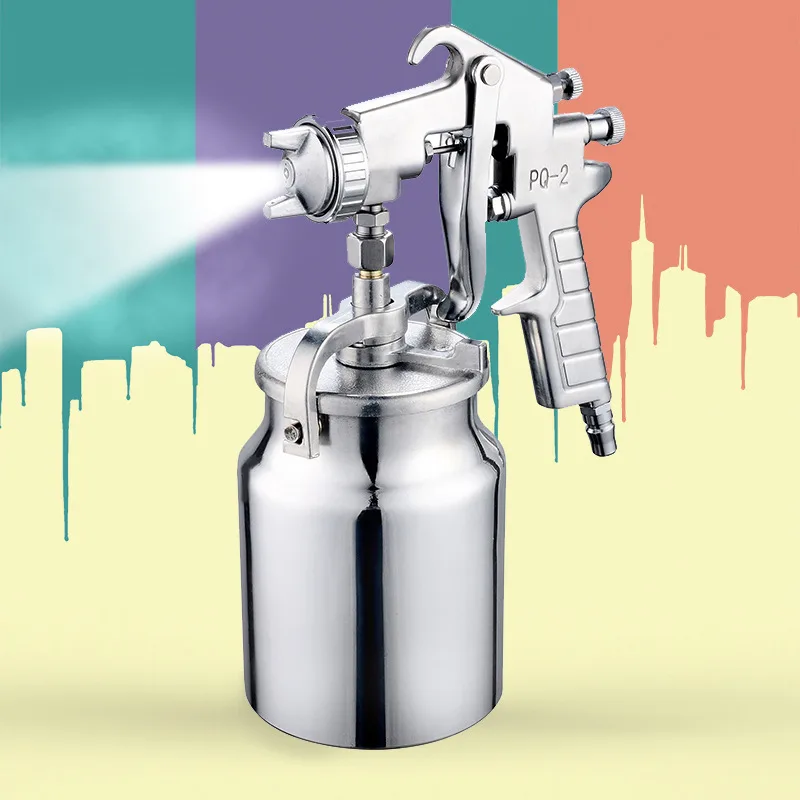
A PQ-2 pneumatic spray gun with a polished finish and an F75 spray gun with a plastic cup in F75, W71, PQ2 and W77 configurations are the guns for larger areas and for materials that need volume rather than finesse. A suction gun pulls material up from a pot below the nozzle, which suits a bigger pot, a longer session and a heavier coating such as primer or a textured finish. They need more atomising air than a gravity gun, so a compressor that ran a small gravity gun comfortably may struggle when a suction gun is fitted. Match the tip to the material, keep the pot topped up so the suction does not draw air, and clean the fluid passages properly at the end of the session.
HVLP guns for fine work
An HVLP pneumatic spray gun for leather with 1.3 to 1.8 mm nozzles uses a high volume of air at low pressure to atomise the material. The result is a softer, slower spray with far less overspray, which is what makes HVLP the standard for fine finishes, flexible materials and anything where a lot of the coating would otherwise end up in the air rather than on the surface. On leather, the lower velocity means the material sits on the surface instead of being driven into it, and the finish stays supple. HVLP demands a genuinely good air supply: high volume at low pressure is exactly what a restricted hose cannot deliver.
Blasting and surface preparation
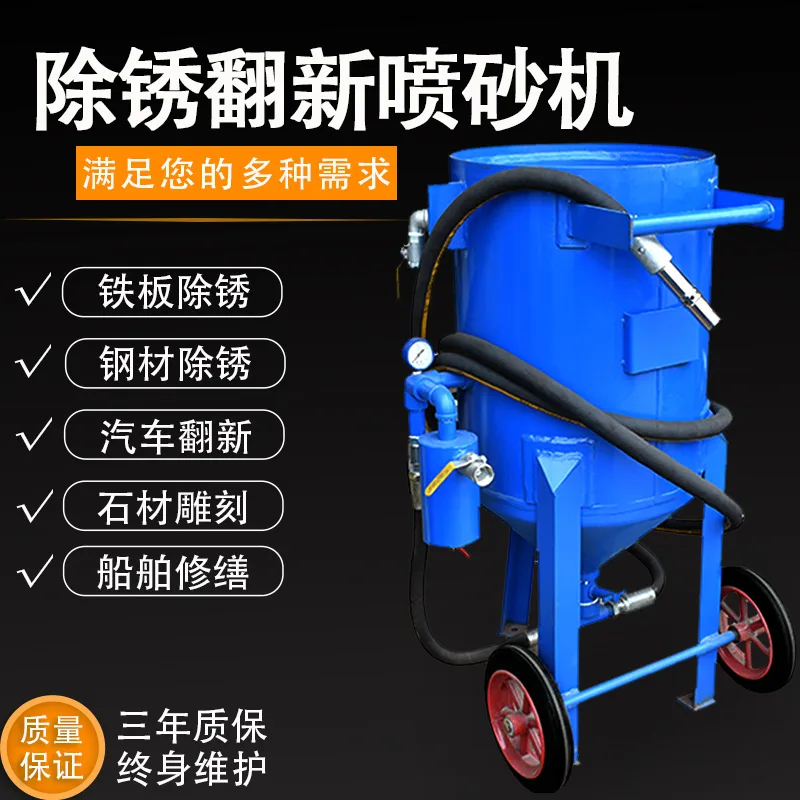
An open sandblasting machine for rust removal belongs in the same conversation as spraying, because a coating is only as good as the surface under it. Blasting removes rust, scale and old coating and leaves a profile that paint can key into, which is the difference between a finish that lasts years and one that lifts at the first sign of moisture. Any blasting operation needs the right media for the substrate, a respirator rated for the dust, eye and skin protection, and a clear understanding of where the spent media goes.
Accessories and sealant
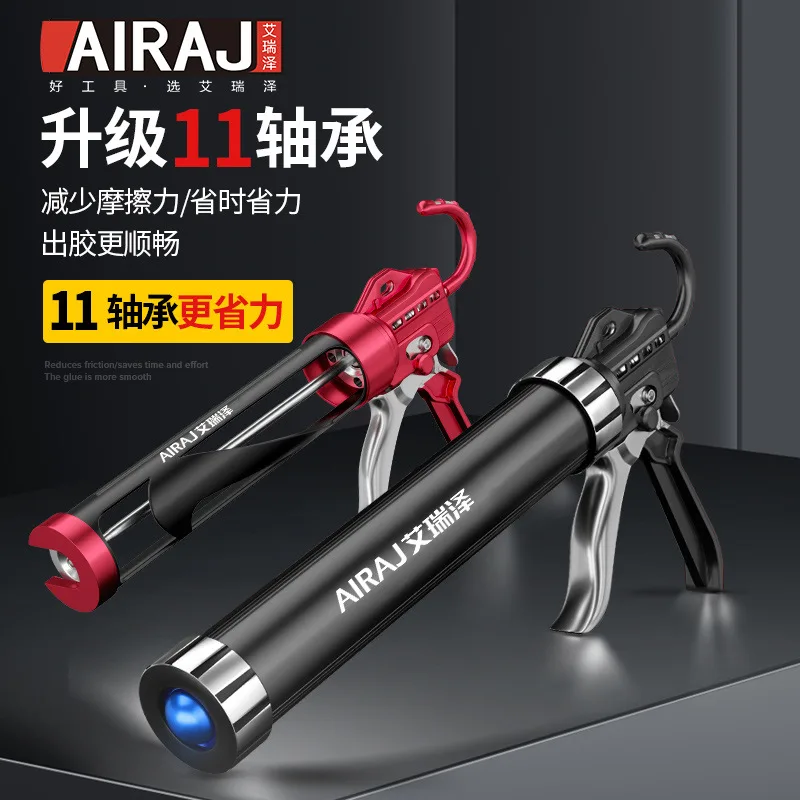
An all-brass quick-connect fitting with adjustable control and an aluminium caulking gun for 9 to 15 inch sealant cartridges cover the rest of the coating workflow. A quick-connect with a control valve lets a gun be swapped or isolated without shutting the line down, and a decent caulking gun applies a consistent bead of sealant at a joint that is going to be painted. Neither is glamorous, and both are the difference between a job that runs smoothly and one that stops for a missing adaptor.
Setting up a gun properly
The order of the setup matters. Choose the tip by material: thin material and small tips, high solids and primer with larger ones. Thin the coating to the gun maker data and check it with a viscosity cup rather than by eye. Set the atomising pressure with air flowing at the gun inlet, starting at the low end of the recommended range and working up until the pattern is even. Then test on scrap: adjust the fan until the pattern is a clean oval with no heavy centre or split ends, and adjust the fluid until the coat goes on wet without running. Hold the gun square to the surface at a consistent distance, overlap each pass by about half, and trigger off at the end of each stroke rather than leaving the gun open while you turn.
Common defects and what causes them
- Orange peel. Material too thick, pressure too low or the gun too far from the surface. Thin slightly, raise the atomising pressure and move closer.
- Runs and sags. Too much material in one pass, or a coat applied too wet. Increase the speed of the pass and reduce the fluid setting.
- Dry, dusty finish. Pressure too high or the gun too far away, so the solvent flashes off before the droplets land.
- Split or heavy-centre pattern. A dirty or damaged air cap, or a blocked fluid tip. Clean the cap and check the holes are clear.
- Fisheyes. Contamination on the surface, usually silicone or oil. Clean and degrease before spraying, and keep oil out of the air line.
- Sputtering. Air drawn into the fluid path, often a loose cap or a low pot. Check the seal and the fluid level.
Frequently asked questions
What nozzle size do I need?
Match it to the material: around 1.3 mm for a thinned topcoat, 1.4 to 1.8 mm for primer, filler and high solids. A nozzle that is too small will not deliver the volume; too large and the gun cannot atomise it.
What pressure should a spray gun run at?
Set it at the gun inlet with air flowing, and follow the maker figure. Start low and work up until the pattern breaks up evenly, because pressure above what the material needs only adds overspray.
Gravity or suction feed?
Gravity for small volumes, low pressure and easy cleaning. Suction for larger pots and heavier coatings, accepting that it needs more atomising air.
Do I need a separate filter for spraying?
Yes. A spray gun needs air that is dry and completely free of oil, so a dedicated filter and regulator for the spray line pays for itself in the first panel.
Why does my finish have small craters in it?
Fisheyes come from contamination, most often silicone or oil on the surface, or oil carried through the air line. Clean the panel, degrease properly and check the filter.
Where to start
Browse the full Air Tools & Spraying range, or the wider Air Tools & Spraying category if you also need compressors, hoses, grinders or pumps. Tell us the material, the area and the compressor you have, and we will point you at the gun, nozzle and setup that fit.