Blog
Water Pumps: Centrifugal, Self-Priming, Jet and Booster Pumps

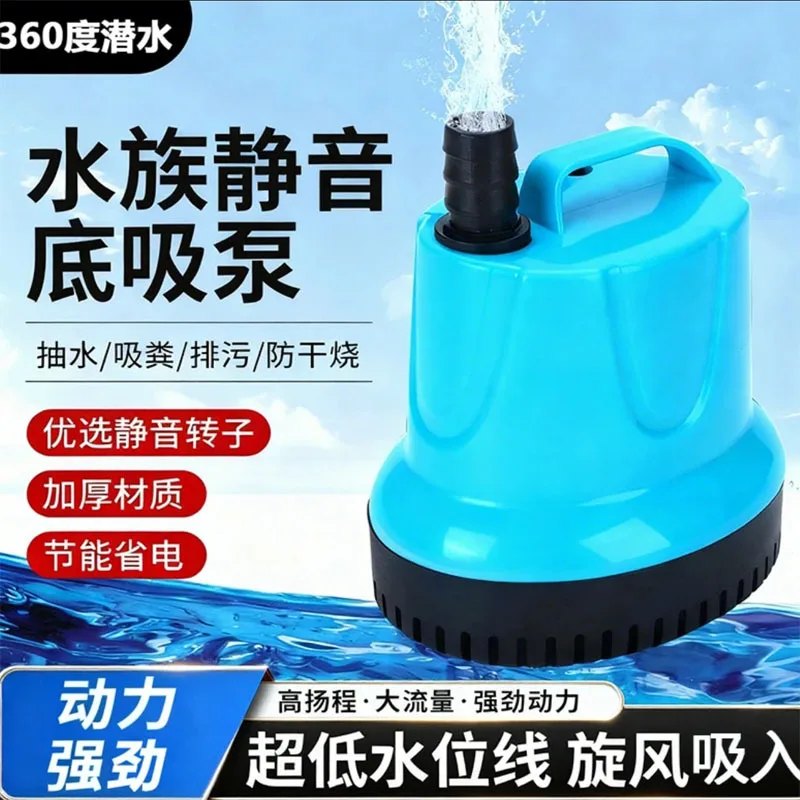
Pumps are sold on two numbers and bought on a third. The two are flow, in litres or cubic metres per hour, and head, the height the pump can push water to. The third is how the pump behaves when it has to lift water, run dry, or start again after a power cut, and that is the one that decides whether a pump is useful on a real job. This guide covers the pumps in this range and how to match one to a duty.
How a pump is described
- Flow. Volume per hour, quoted at a stated head. The figure falls as the head rises, so a pump rated at a high flow at zero head may deliver very little at 20 m.
- Head. Total height the pump can lift and push. Suction lift and discharge head are not the same thing: a pump that lifts 7 m may only push 3 m.
- Self-priming. A self-priming pump will clear air from its suction line and pull water up on its own. A standard centrifugal pump will not: it has to be filled before it starts.
- Duty. Continuous or intermittent, clean water or dirty, cold or hot. A pump built for clear water fails quickly on grit.
- Control. Manual, float switch or automatic pressure control. Automation is what makes a pump useful in a house rather than a workshop.
Pump families
| Pump | Duty | Note |
|---|---|---|
| Centrifugal | Moving clean water at volume | Not self-priming, needs flooding |
| Self-priming and jet | Drawing water from a well or tank | Lifts from a distance and holds pressure |
| Booster and circulation | Raising domestic pressure, heating loops | Automatic, quiet, low flow |
| Submersible and dewatering | Drainage, flooding, sewage | Runs under water, tolerates solids |
| Special duty | Oil, chemicals, grout, metering | Body and seal materials decide suitability |
Centrifugal pumps
A plastic centrifugal pump in 105, 807, 809 and 811 sizes with sixteen options and a second centrifugal pump range with two options are the simplest and most common pumps: an impeller spins inside a casing and throws water outward to create flow. They are excellent at moving volume at low head, and they are the wrong tool for pulling water up a long suction line, because a centrifugal pump cannot evacuate air. They must be flooded before starting, and the suction line must be airtight, or the pump simply spins air and produces nothing.
Self-priming and jet pumps
Self-priming pumps with eight options and a self-priming pump range in 1480, 1980, 2480 and 2880 sizes solve the problem a centrifugal pump cannot: they clear air from the suction line themselves, so they can be started dry and will lift water from a tank, a sump or a shallow well. A QB60, QB70 and QB80 vortex centrifugal pump for 220 V or 110 V supply and a high-lift automatic jet pump extend that into domestic water supply, where the pump has to lift from a source below it and then hold pressure at the tap. With any of these, the suction line is the critical part: it must be airtight, short, and fitted with a foot valve, because a pinhole on the suction side lets air in and the pump loses its prime.
Booster and circulation pumps
A stainless steel variable frequency booster pump in 370 and 550 sizes and a fully automatic stainless steel household booster pump in 1190, 1590 and 1890 sizes raise the pressure of water that is already arriving, which is the common problem in a building where the supply reaches the top floor at a dribble. Variable frequency control is the useful part: the pump speeds up and down with demand instead of switching on and off, so pressure stays steady and the pump is quieter in the house. A hot water circulation pump for boilers and underfloor heating and a silent automatic floor heating circulator in 100 and 165 sizes do the same job inside a heating loop, moving water around a circuit rather than raising pressure. These are low head, low noise pumps and they are not built to lift water from a well.
Submersible and dewatering pumps
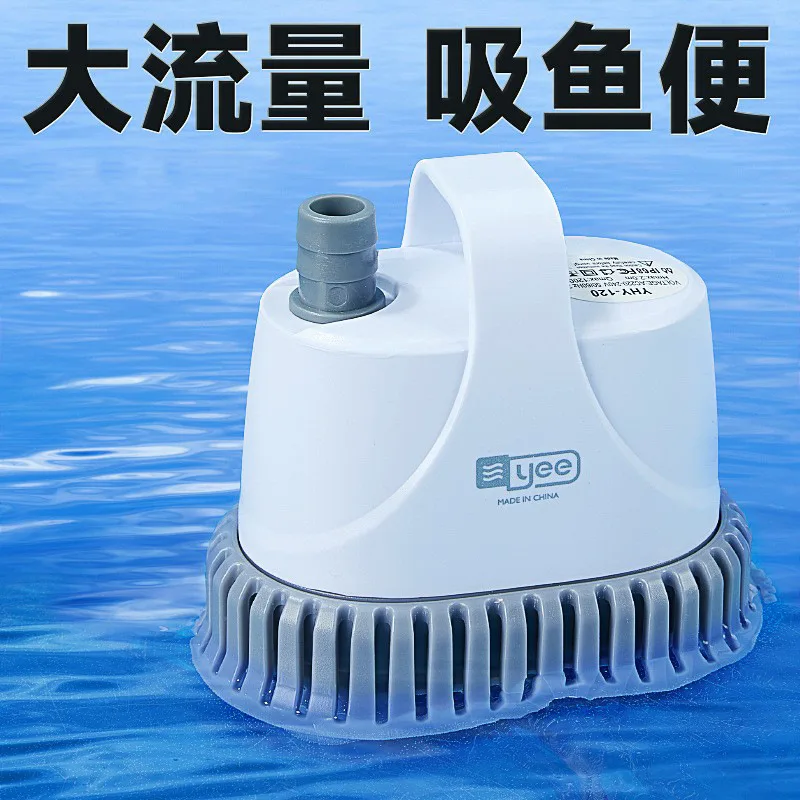
Permanent magnet submersible pumps with three options sit in the water they are moving, which removes the suction problem entirely and is why a submersible is the answer for a well, a tank or a flooded space. A flood control and sewage diesel pump unit in the 300 size moves to the other extreme: a large, engine-driven unit for serious water where there is no power to rely on. A horizontal mixed-flow pump for high-flow circulation and a vertical axial flow pump station for construction and renovation handle the case where the volume is huge and the head is small, which is exactly the opposite of a domestic booster and is why the two families are not interchangeable.
Special duty pumps
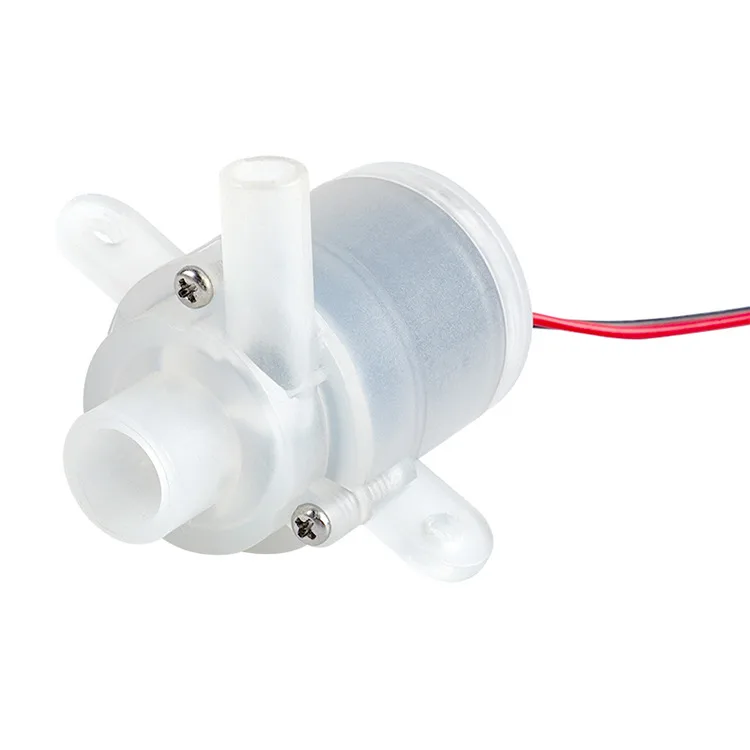
When the liquid is not clean cold water, the pump has to be chosen by material as much as by performance. A green forest oil pump for diesel and oil transfer and a portable 12 V to 24 V diesel pump are built to move fuel rather than water, with seals that tolerate oil and a body that will not react with it; an electric self-priming oil pump for 12 V or 24 V supply in two options covers the smaller transfer jobs. A diaphragm metering pump with explosion-proof variable frequency control doses a chemical at a controlled rate, which is a different requirement again: the flow is small and the accuracy is the point. A G-type stainless steel screw pump for filtered product handles viscous liquids that a centrifugal impeller would simply churn, and a DC 12 V rotor pump covers the tiny, precise flows used in ice makers and drink machines.
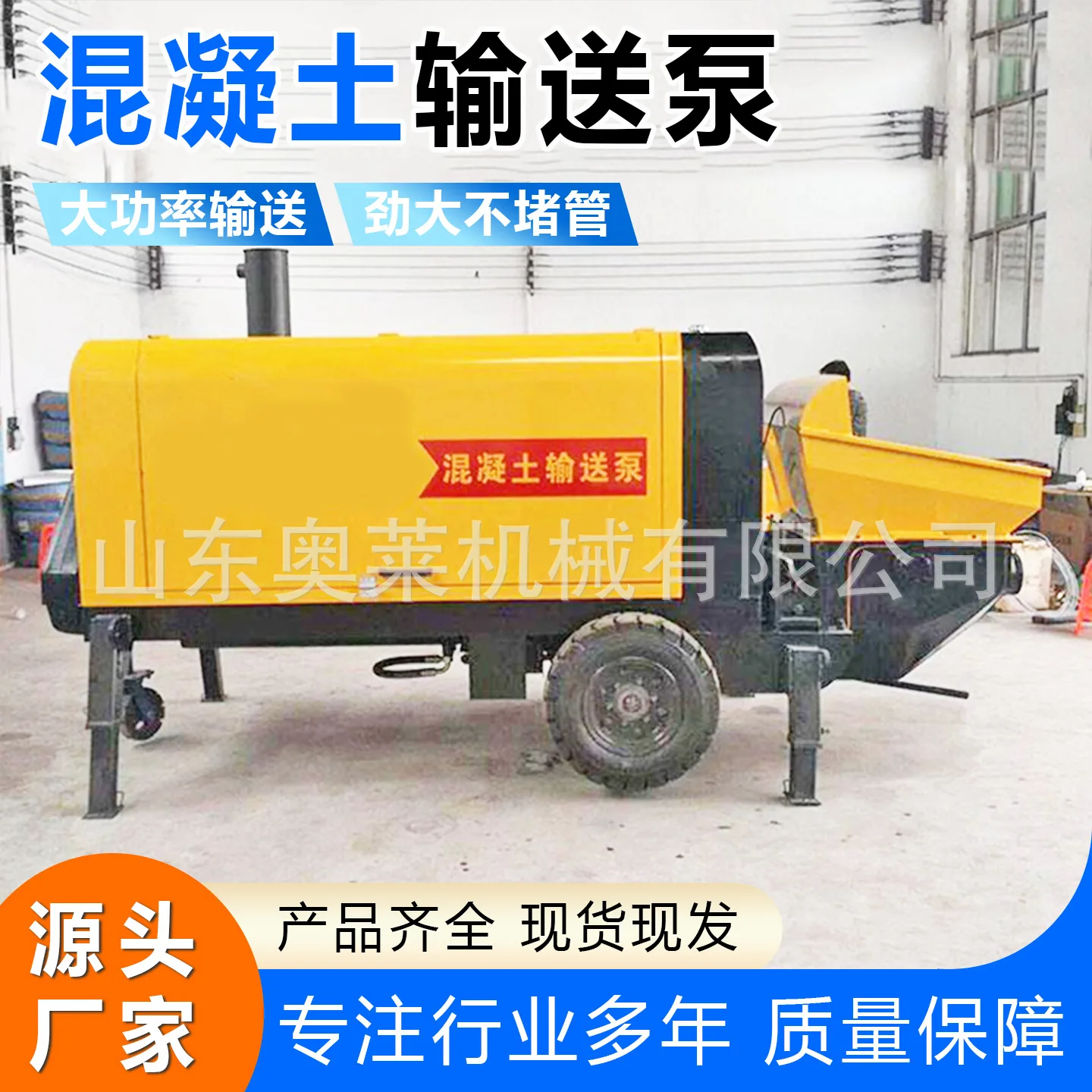
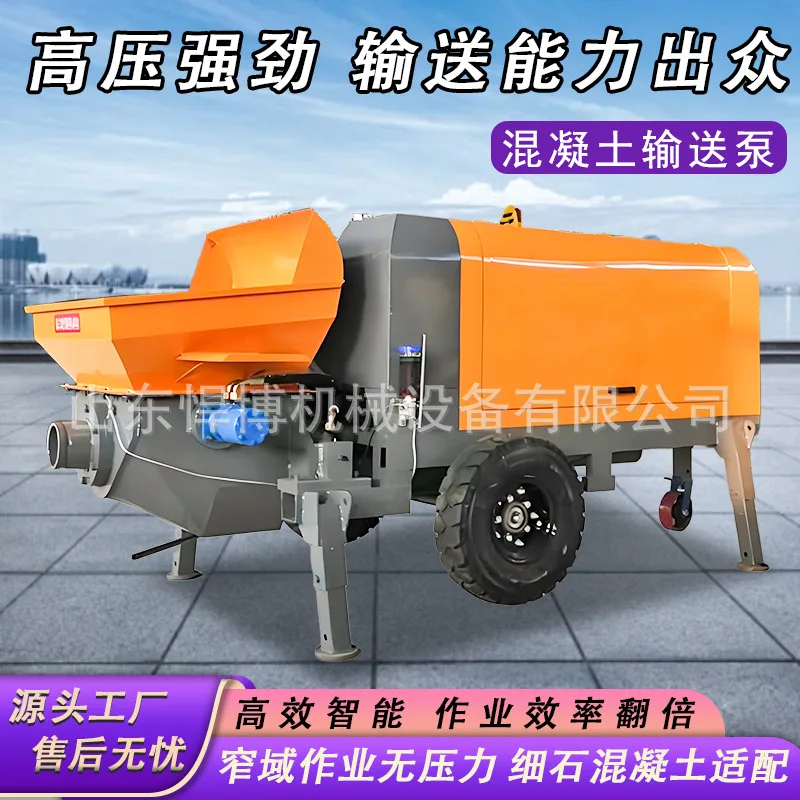
Construction work has its own group. A three cylinder plunger pump for agricultural spraying produces high pressure and low volume, which is what a spray lance needs; a plunger pump for car wash guns does the same job at a smaller scale. A concrete conveying pump for large aggregate and a secondary structure feeding machine with three options move material that is not liquid in any normal sense, and they are built with the bore and the drive to match.
Choosing by head and flow
Work out the duty first, then read the pump curve. Measure the vertical lift from the water surface to the pump suction, add the discharge height, add the friction of the pipe run and fittings, and the total is the head the pump has to produce. Then read the flow the pump gives at that head, not the flow printed on the box, which is usually the figure at zero head. A pump chosen this way will deliver what the job needs; a pump chosen on its headline flow will often deliver half of it. If the head is small and the volume is large, choose a centrifugal or axial flow pump. If the suction has to lift water from below and hold pressure, choose a self-priming or jet pump. If the water is dirty, choose a pump built for solids and check the maximum particle size.
Installing a pump and keeping its prime
- Suction line airtight. Air on the suction side is the most common reason a pump will not lift. Use a foot valve, seal every joint and test the line before connecting the pump.
- Suction short and straight. Keep the suction run as short as possible with few bends, and never fit an elbow directly at the pump inlet.
- Flood the pump. A centrifugal pump that is not self-priming must be filled with water before starting. Running it dry damages the seal within minutes.
- Strain the water. A strainer on the suction protects the impeller from grit, which is what wears a pump out early.
- Vent the discharge. Air trapped in the discharge line makes a pump sound as if it is working while moving nothing.
- Protect the motor. Use a dry, ventilated position for a surface pump, and a float switch or dry-run protection where the supply can run out.
Frequently asked questions
What is the difference between head and pressure?
Head is the height a pump can lift water to; pressure is the force in the pipe. Ten metres of head is roughly one bar, which is why both figures are quoted together for domestic pumps.
Why does my pump run but not move water?
Usually air. Check the suction line for leaks, confirm the pump is primed, and make sure the foot valve is not stuck open. A centrifugal pump cannot clear air by itself.
Do I need a self-priming pump?
If the pump sits above the water level, yes. A self-priming pump clears its own suction line; a standard centrifugal pump has to be flooded and cannot lift from a dry start.
Can one pump do the house and the garden?
Only if the flow and head suit both. A booster for household pressure is designed for low flow at steady pressure, while irrigation needs volume, which is why the two duties often use different pumps.
What wears a pump out fastest?
Running dry, grit through the impeller and air in the suction line. A strainer, a foot valve and dry-run protection extend the life of a pump more than any other maintenance step.
Where to start
Browse the full Air Tools & Spraying range, or the wider Air Tools & Spraying category if you also need air tools, spray guns or hoses. Tell us the liquid, the lift, the pipe run and whether the supply is automatic, and we will point you at the pump family and size that fit the duty.