Blog
Magnetic Head Hammer Guide: Starting Nails One-Handed

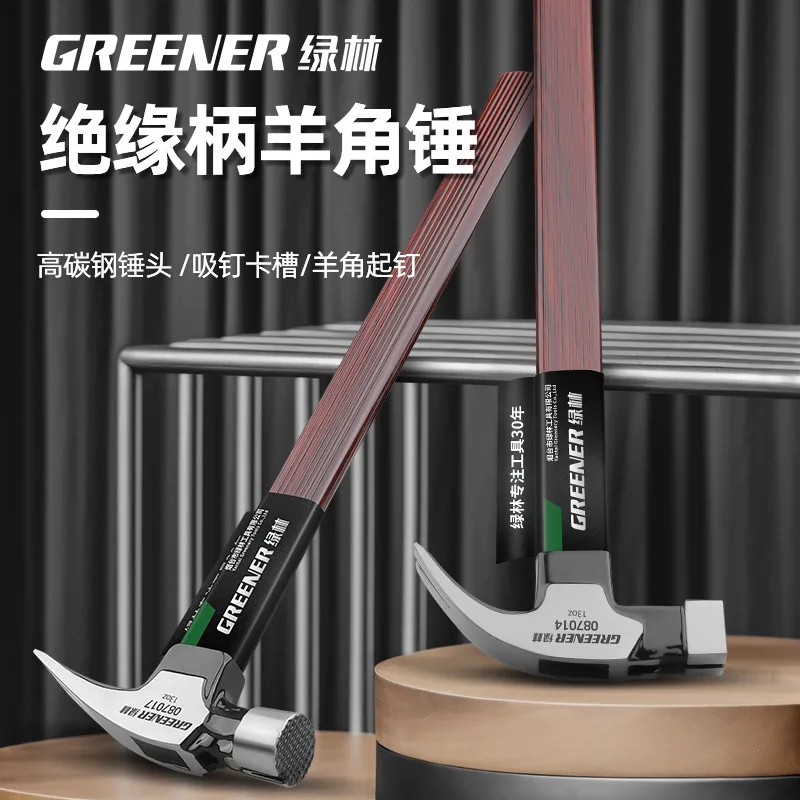
A magnetic head hammer does one job that a standard claw hammer cannot: it holds the nail for you. That sounds like a small thing until you are on a ladder with one hand on the rail, or holding a stud in place with your knee while you try to start a 75 mm nail. This guide covers how the magnetic slot actually works, what the 300 g and 400 g heads are for, and the technique that keeps a magnetic face clean enough to keep holding.
What a magnetic head hammer changes
- The face holds the nail. A magnet set behind the striking face grips the nail head or shank so you can position it with one hand and strike with the other.
- Head weight. 300 g is the trim and second-fix size; 400 g drives longer nails in fewer hits. Both are light enough to swing in tight spaces.
- Face shape. A round face is the general-purpose striking surface; a square face registers against flat timber and corners, which helps when a nail has to go in dead square.
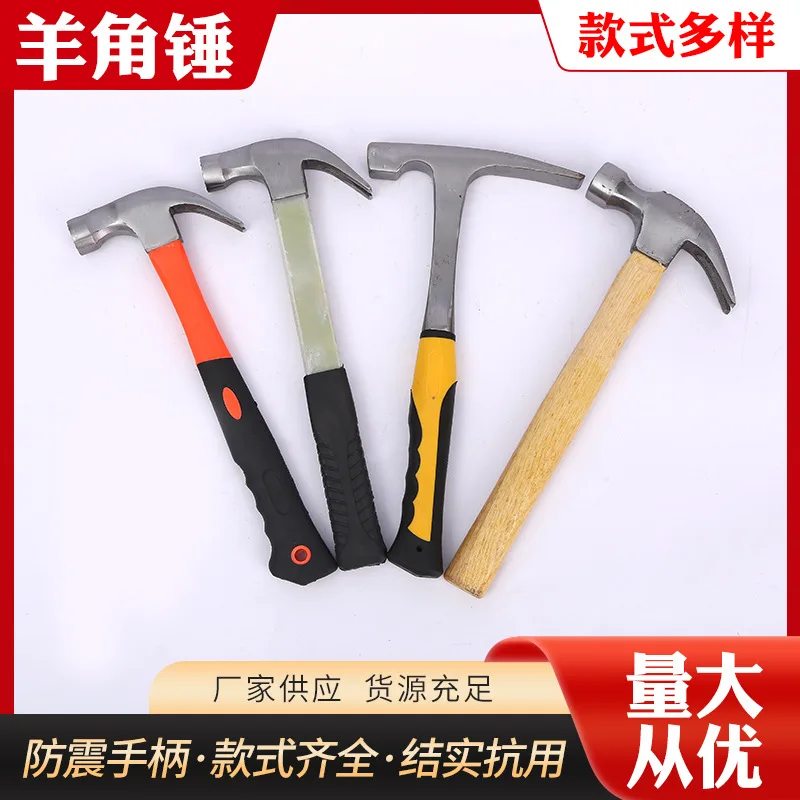
- Claw shape. A curved claw levers a nail out with a rolling pull; a straight claw gets under heads that are already flush with the surface.
- Handle. Timber handles deaden vibration and stay warm in the hand, but they need to be kept from drying out so the head stays tight.
How the magnetic slot works, and what defeats it
The magnet sits in the eye of the head or in a slot behind the face, so the nail hangs from the striking surface until the first blow seats it. That is the whole mechanism, and it fails for predictable reasons: steel swarf, dust, paint and rust all build a layer between the magnet and the nail. The table below is the practical version of what to expect.
| Condition of the head | What happens | What to do |
|---|---|---|
| Clean, dry face | Nail hangs square and stays put through a swing | Wipe the face after use; keep it out of the dust tray |
| Dusty or gritty face | Nail slides off halfway up the swing | Brush the face; a dry cloth is enough, do not oil it |
| Painted or rusted face | Magnet loses grip, nail falls on the first swing | Clean the face back to bare steel; check the magnet is still seated |
| Nail on a wet surface | Grip is unreliable, the nail can spin | Start the nail by hand or with a punch on wet or treated timber |
300 g or 400 g: the choice that matters most
Weight is the difference between a hammer you use for an hour and one you put down after twenty minutes. A 300 g head drives a 50 mm nail in two or three controlled hits and is the better tool for trim, cabinet backs and anything overhead, because you can still aim it at the end of a long day. A 400 g head is the one to take when the nails are 75 mm or longer, when the timber is dense, or when the job is framing rather than finishing. If you only buy one, buy the 300 g: it covers more of the work, and the extra swing you get from a lighter head usually makes up for the weight it lacks.
The magnetic hammers in this guide
Every model in this range
Eight configurations: two head weights, two face shapes and two claw shapes, all on the same timber handle. Prices are per unit.
| Head | Face | Claw | Best for | Price |
|---|---|---|---|---|
| 300 g | Round | Curved | Trim, general nailing, rolling out nails | $16.99 |
| 300 g | Round | Straight | Trim plus flush-head pulling | $16.99 |
| 300 g | Square | Curved | Square joints, corner work | $16.99 |
| 300 g | Square | Straight | Square joints, flush heads | $16.99 |
| 400 g | Round | Curved | Framing, longer nails, pulling | $17.99 |
| 400 g | Round | Straight | Framing plus flush nails | $17.99 |
| 400 g | Square | Curved | Stud work, square registration | $17.99 |
| 400 g | Square | Straight | Stud work and hidden nail heads | $17.99 |
Technique for a one-handed start
A magnetic hammer is used differently from a standard claw hammer, and the differences are in the first two seconds of every nail.
- Set the nail on the face, not in the claw. Let the magnet take the head of the nail, then hold the handle so the nail hangs vertically. Tilt the hammer and the nail swings out of grip.
- Tap once to seat, then swing. The first blow only needs to start the nail: a light tap with the wrist keeps the head square, and after that the nail is held by timber rather than by magnet.
- Keep the handle in line with the nail. If the handle leans, the face strikes at an angle and the nail bends over on the second hit.
- Hold near the head for control. Choking up on the handle shortens the arc and is the right grip for trim and overhead work; slide your hand down for the 400 g head on framing.
- Pull with the claw in line with the nail. Roll the hammer on its face so the claw lifts the head straight up. A sideways pull opens the claw and marks the timber.
- Do not use the magnet as a holder for screws. The slot is sized for nail heads; a screw shank sits at an angle and damages the seating of the magnet.
Faults, care and when to replace
- Nails stop hanging. Nine times out of ten the face is dirty or the nail is plated steel that the magnet cannot grip well. Clean the face first, then test with a plain steel nail.
- Magnet feels loose. Press it back into its seat with a brass drift, not a steel punch, and never strike the head to seat it.
- Timber handle drying out. A dry handle shrinks and the head starts to move. A thin coat of boiled linseed oil once or twice a year keeps the fit tight and the handle supple.
- Rattling head. Tap the head on a bench and listen. If it rings loose, re-wedge the handle if there is wood left to bite, otherwise replace the hammer: a flying head is a hospital job.
- Chipped or rolled face. Dress it flat with a file and keep the chamfer, but if the face has been struck with another hammer and shows cracks, retire the hammer.
- Opened claw. Close it gently in a vice in small steps. Tapping a claw back with another hammer usually cracks it at the root.
Frequently Asked Questions
Does a magnetic head hammer work on all nails?
It holds plain steel nails well, and galvanised or stainless nails less firmly because the coating and the alloy reduce the magnetic pull. On coated nails, use the magnet to position the nail and start it with a light tap rather than expecting it to hang through a full swing.
Is a magnetic head hammer strong enough for framing?
The 400 g version is, for nails up to about 100 mm and for stud work. If you are driving hundreds of long nails a day, a heavier framing hammer or a nailer will do it faster; the magnetic head earns its place where you are working one-handed or in tight spaces.
Why does my hammer leave marks on the timber?
Either the face is not landing square, or you are driving the head past the surface. Let the last two hits be light and let the nail head finish flush or slightly below, then use a punch if the work needs the head set deeper.
Can the magnet be replaced?
On this style of head the magnet is seated in the eye behind the face. It can be pressed out and re-seated if you have a drift of the right size, but if the head is also loose or the face is damaged, replacing the hammer is the better decision.
How long should a wooden handle last?
Years, if it is kept out of damp and given an occasional oil. The failure mode is drying out and shrinking, followed by a loose head. Store the hammer indoors, not in a cold workshop drawer, and check the head before each job.
Buying the right one
Start with the 300 g, round face, curved claw: it is the configuration that covers trim, general nailing and pulling without needing a second hammer. Add the 400 g head if your work runs to 75 mm and 100 mm nails, and choose a straight claw only if you regularly pull nails that are already flush: the magnetic-head woodworking hammer is the one in this guide, and the eight configurations above are all the same head and handle with those three choices changed.