Blog
Hand Plane Setup: Flattening, Bevels and Cap Iron Settings

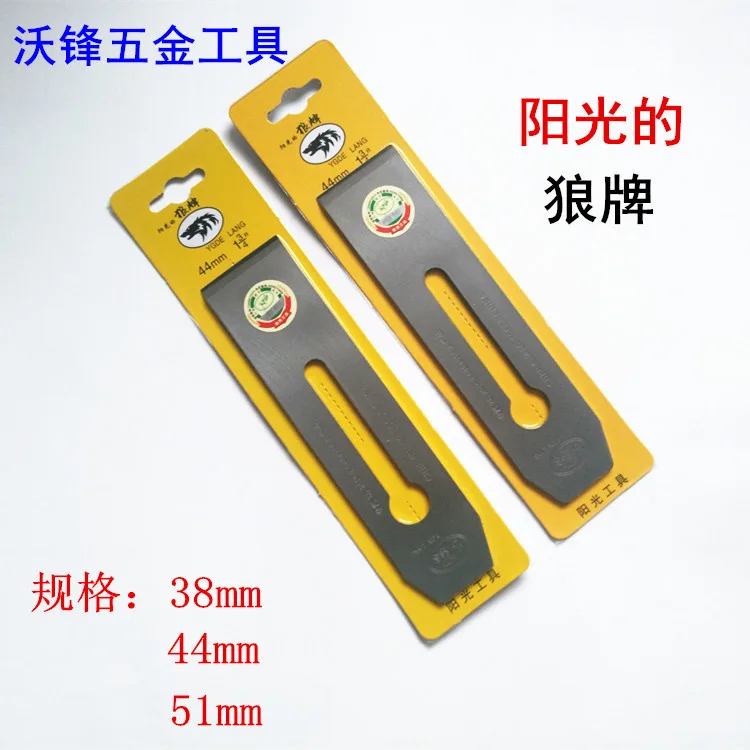
A carbon steel plane blade will out-cut a stainless one, but only after the plane has been set up properly, and setup is what separates a plane that works from a plane that sits in a drawer. There are five things to get right: the back of the blade, the bevel, how the blade sits on its bed, the cap iron, and the mouth. Do them in that order and the plane takes a continuous shaving from the first pass. This guide covers the sequence, the angles that suit carbon steel, and the setup faults that look like blunt blades.
Setup in the order that matters
- Flatten the back of the blade. Work the flat face on a fine stone until the last 25 mm is clean and bright. A back that is not flat cannot meet a bevel, and no amount of honing will make the edge sharp.
- Hone the bevel. Establish a primary bevel at about 25 degrees, then add a micro-bevel a couple of degrees steeper at the very edge. The steeper micro-bevel is what makes the edge last in hard timber.
- Bed the blade. Check that the blade sits on the bed without rocking. A blade bedded on a burr or a chip of shaving will chatter, and chatter is read as a blunt edge.
- Fit the cap iron close. Set the cap iron about half a millimetre back from the edge. Closer is better in figured timber; further back is easier in softwood.
- Set the mouth. A tight mouth supports the timber ahead of the edge and reduces tear-out. Open it slightly for a heavy cut so the shaving can clear.
- Set the depth and test. Advance the blade until it just holds a piece of paper, then take a pass on scrap. A plane set correctly takes a thin, continuous shaving without being forced.
Angles and settings
| Setting | Starting value | What it changes |
|---|---|---|
| Primary bevel | 25 degrees | Edge strength against the timber |
| Micro-bevel | 27 to 30 degrees | How long the edge lasts before honing again |
| Cap iron setback | About 0.5 mm | Tear-out in figured timber |
| Mouth opening | Tight for finishing, wider for heavy cuts | Shaving clearance and surface finish |
| Depth of cut | Paper-thin to start | Effort required and the risk of chatter |
Carbon steel matters in this table because it will hold a 25 degree primary bevel with a shallow micro-bevel where a harder, more brittle steel would chip. It also hones quickly, which means the angles can be re-established in a couple of minutes rather than becoming a job you put off.
One more point about the order. If the back of the blade has not been flattened, everything after it is wasted effort: a bevel honed onto a blade with a hollow back produces an edge that looks sharp and folds on the first pass, which sends people back to the stone when the real problem is on the other face of the blade.
The hand plane in this guide
Sharpening a carbon steel blade
- Work the bevel, not the back, once the back is flat. The back only needs flattening once. After that, all the steel comes off the bevel.
- Raise a burr along the whole edge. Feel for it with a thumb dragged across the edge, never along it. A burr in the middle only means the bevel is crowned.
- Remove the burr on the back. Two light passes with the blade flat, then back to the bevel for one pass. Repeat until the burr comes off cleanly.
- Hone little and often. Two minutes on a fine stone every twenty minutes of planing keeps the edge sharp. Letting it go dull means grinding the bevel back.
- Dry the blade after use. Carbon steel rusts on contact with damp timber and finger marks. A wipe and a drop of oil is the whole routine.
- Keep the bevel square. A bevel that has been honed more on one side pulls the plane sideways and cuts a taper on an edge.
Setup faults and what they look like
| What you see | Likely cause | Fix |
|---|---|---|
| Chatter and a rippled surface | Blade not bedded flat, or cap iron loose | Clean the bed, reseat the blade, tighten the cap iron |
| Shaving jams in the mouth | Mouth too tight for the depth of cut | Open the mouth slightly or take a finer cut |
| Tear-out on figured timber | Cap iron set too far back | Move the cap iron to about half a millimetre from the edge |
| Plane pulls to one side | Bevel honed unevenly | Reset the bevel square on a flat stone |
| Cuts for a pass then stops | Edge rolled or blunt | Hone and add a micro-bevel |
| Rust on the blade flat | Stored damp | Dry, oil and store clear of the bench surface |
Frequently Asked Questions
How flat does the back of the blade need to be?
Flat over the last 25 mm or so, measured from the edge. That is the part that has to meet the bevel, and polishing the whole back is wasted work.
What angle should a plane blade be sharpened at?
About 25 degrees with a micro-bevel at 27 to 30 degrees. The lower angle cuts more freely; the micro-bevel is what stops the edge folding in hard timber.
How close should the cap iron be to the edge?
Around half a millimetre for general work, and closer for figured timber. Too far back and the shaving lifts the grain instead of being broken off.
Why does my plane chatter?
Usually because the blade is not sitting flat on its bed, or the cap iron is loose. Chatter is a setup fault far more often than it is a dull edge.
How do I stop a carbon steel blade rusting?
Wipe it dry after every session and put a light oil film on the steel. Carbon steel has no built-in corrosion protection, and a damp blade in a closed drawer will pit within days.
Buying the right one
A plane that has been set up properly needs nothing more than regular honing and a dry store, and carbon steel makes that honing quick. The carbon steel hand plane in this range takes the sequence and the angles described here.