Blog
Hand Plane Size Guide: What Sole Length Changes


Sole length is the number that decides what a hand plane can do, and it is the one buyers skip past. A short sole follows the surface it is set on, which makes it ideal for trimming and for working a small area. A long sole bridges dips and high spots and flattens a board rather than copying it. Everything else about a plane, the blade, the cap iron and the depth adjustment, is secondary to that single dimension. This range covers soles from 95 mm to 400 mm, and this guide explains what each length is for and when a set is worth the money.
What sole length changes
- Short soles follow the work. Under about 130 mm the plane registers on a small area, so it trims a chamfer, eases an edge or cleans up a repair without cutting the surrounding surface.
- Long soles flatten. Over about 250 mm the sole bridges hollows and shaves the high spots, which is how a twisted board is brought flat rather than reproduced.
- Weight follows length. A heavy plane does the work through momentum: once it is moving, the cut needs only guidance. A light plane needs to be pushed.
- Blade width follows the body. A wide blade takes a wider shaving and needs more effort. Narrow blades suit fine work and light timber.
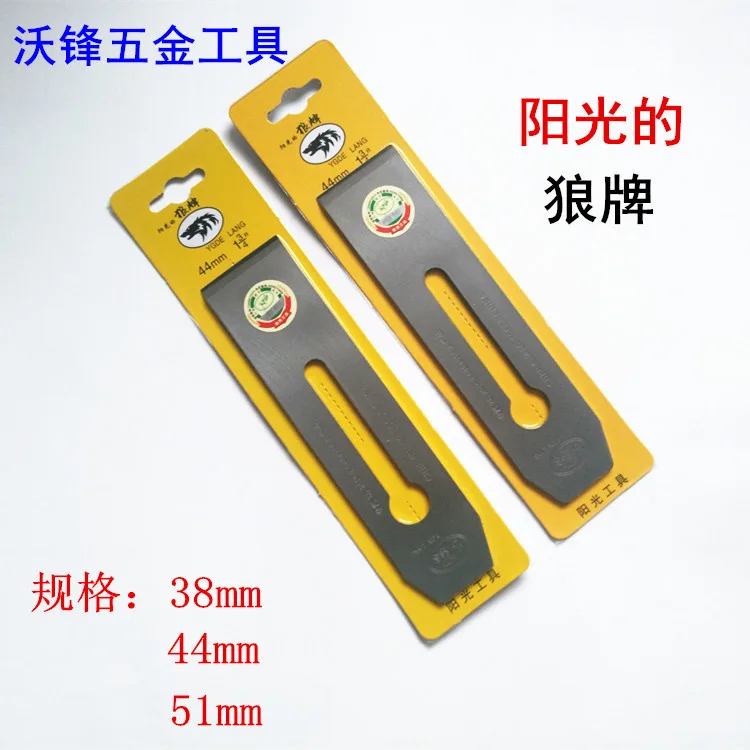
- Sets change what arrives. The set versions in this range come with more than one blade or the accessories to set up the plane, which is what makes them the better buy for someone starting from nothing.
Sole length against the job
| Sole length | Behaviour | Typical jobs | Watch for |
|---|---|---|---|
| 95 to 110 mm | Very short; trims and details | Chamfers, easing edges, small repairs, block work | Will not flatten anything; copies the surface |
| 127 mm | Short but stable | Trimming door edges, shaping, light clean-up | Still follows a dip |
| 180 mm | Medium; the general-purpose length | General bench work, preparing timber | Compromise on both flattening and detail |
| 280 mm | Long; starts to flatten | Flattening boards, truing edges | Needs a firm stance and a long stroke |
| 350 to 400 mm | Jointing length | Flattening wide boards, jointing long edges | Heavy, and unforgiving of poor technique |
The table also explains why a single plane rarely satisfies anyone. The jobs at the top of the list and the jobs at the bottom need opposite behaviour from the sole, so a workshop that only owns one length ends up compromising on both.
The hand planes in this guide
Every option in this range
Seven options from a 95 mm sole up to a 400 mm jointing length, with four of them supplied as sets. Prices are per unit.
| Option | Sole | Supplied as | Best for | Price |
|---|---|---|---|---|
| Compact plane | 95 mm | Single plane | Fine trimming and small repairs | $13.19 |
| Short plane | 110 mm | Single plane | Chamfers and easing edges | $8.99 |
| Short plane, wider | 127 mm | Single plane | Door edges and general shaping | $14.66 |
| Medium set | 180 mm | Set | General bench work | $25.70 |
| Long set | 280 mm | Set | Flattening boards and truing edges | $26.97 |
| Longer set | 350 mm | Set | Jointing and flattening wide stock | $26.97 |
| Jointing set | 400 mm | Set | Full-length flattening work | $26.97 |
The price structure is worth a second look. The four set versions cost almost exactly the same as each other, so within the sets the choice is entirely about the sole rather than the price. The single planes at the short end are the cheapest entry into the range, and they are the ones to buy first if the work is trimming rather than flattening.
Working with a plane
- Set the blade shallow. A plane that takes a fine shaving cuts faster than one set deep, because a deep cut fights the timber and the plane stops.
- Start at the far end. On a long sole, begin the stroke at the far end of the board and work back in overlapping passes. Starting in the middle digs a hollow.
- Take diagonal passes first. On a twisted board, work across the grain at an angle to bring the high spots down, then finish along the grain.
- Read the shaving. A shaving that crumbles means the blade is blunt or set too deep. A shaving that comes off as a continuous ribbon means the plane is set correctly.
- Sharpen often. A plane blade is only useful for a few minutes of work between hones. Leaving it dull is what makes planing feel like hard labour.
- Store on its side. A plane set down on its sole picks up grit and loses the edge. On its side, the blade stays clear of the bench.
Frequently Asked Questions
What is the best all-round plane length?
Around 180 mm. It is stable enough to prepare timber and still short enough to trim an edge, which is why it is the one length most workshops keep within reach.
Do I need a jointing length?
Only if you flatten boards or true long edges. For trimming and fitting work a medium plane does everything, and a 400 mm sole is weight you carry without using.
Why do the sets cost the same as each other?
Because the body and blade dominate the cost, and the lengths in the set group sit close together. That means the decision within the sets is about the sole you need, not the budget.
Are the short planes useful for anything but trimming?
They are the best tool for working a small area without touching the surrounding surface, which covers repairs, chamfers, easing and cleaning up joints.
How do I stop a plane from tearing the grain?
Sharpen the blade, take a finer cut and reduce the mouth opening by advancing the frog or the blade bed. Tear-out usually comes from a dull blade before it comes from the timber.
Buying the right one
Start with the length that matches most of your work, then add a second plane at the opposite end of the range rather than a third in the middle. The hand planes in this range span 95 mm to 400 mm in single and set form.