Blog
Moulded Storage Cases in Small, Medium and Large: Which to Buy

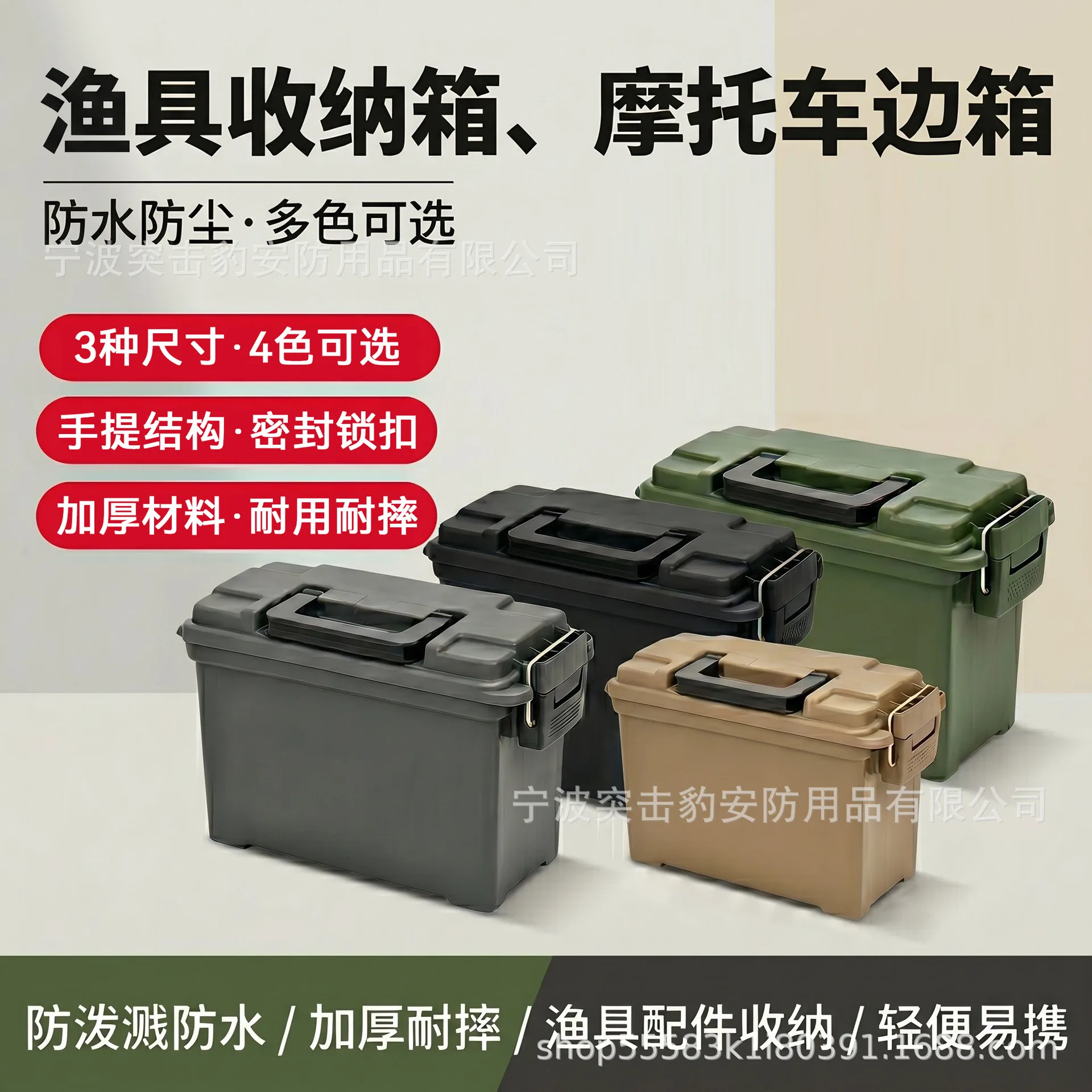
A plain moulded case is the most flexible container in a workshop because it makes no assumptions. There is no tray to get in the way and no shaped insert to fit around, so the same case can hold spanners one month and electrical fittings the next. The only decision is size.
This range offers small, medium and large cases in four colours, from $8.99 to $17.98. This guide sets out what each size holds and how to choose between them without buying twice.
What changes between the three sizes
Going up a size adds volume, weight and footprint at the same time. The volume is what gets used; the weight and the footprint are what decide whether the case stays in service.
| Size | Typical contents | Where it lives |
|---|---|---|
| Small | Fixings, bits, a tape measure | Bench drawer or job bag |
| Medium | A trade kit of hand tools | Van shelf or bench end |
| Large | Bulky items and long tools | Shelf or boot of a vehicle |
Most workshops settle on the medium case for tools and the small case for consumables, with the large reserved for something that genuinely occupies space, such as a level, a set of long spanners or a coil of cable. Buying two small cases is usually a better use of money than buying one large one.
Colour, handle and lid behaviour
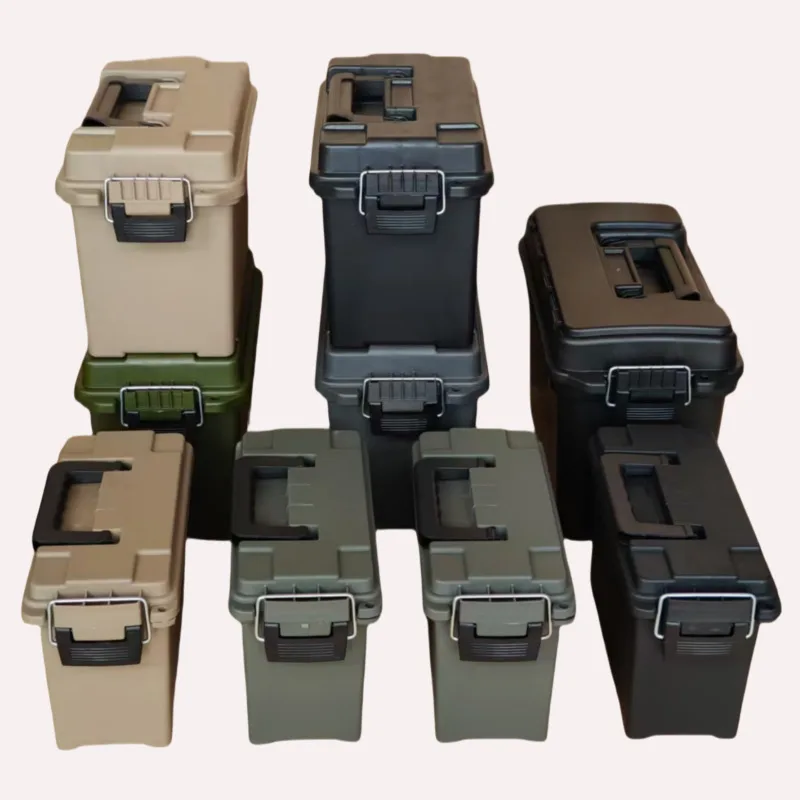
Colour has no effect on strength but does affect how the case is used. A light case on a dark shelf is found immediately; a dark case in a dusty van looks the same as every other dark case. Where several people share a workshop, colour becomes an ownership mark.
| Feature | Practical effect | Worth having? |
|---|---|---|
| Moulded carry handle | Carries the full load in one hand | Yes |
| Four colour options | Identifies the case and its contents | Useful when shared |
| Rounded base | Slides out of a van without snagging | Yes |
| Single cavity | Takes any content shape | Yes, for mixed contents |
| Snap lid | Quick access | Yes for daily use |
A single cavity is the reason these cases work as general storage. It costs the organisation a tray would give, so the contents have to be kept in order by other means: bags, small tubs or a divider strip cut to length.
Moulded storage cases in this range
Every option in this range
A moulded plastic storage case with a carry handle, in small, medium and large, in four colours. Prices are per case.
| Option | Detail | Price |
|---|---|---|
| Small, green | Moulded case, carry handle | $8.99 |
| Medium, green | Moulded case, carry handle | $11.69 |
| Medium, black | Moulded case, carry handle | $11.69 |
| Large, green | Moulded case, carry handle | $17.98 |
| Large, black | Moulded case, carry handle | $17.98 |
The jump from small to medium costs about $2.70, and from medium to large about $6.30. The largest step buys the most volume per dollar, but it also produces a case that is awkward to carry when full, which is why the medium size is the one most often bought again.
Looking after a moulded case
- Do not use the case as a step; the lid is not designed for vertical load.
- Keep heavy items at the bottom so the base takes the weight.
- Store cases closed, since a lid left open can take a permanent set.
- Wipe the rim before closing so the lid seats squarely.
- Avoid long spells in direct sun, as heat bows thin mouldings.
- Label the case rather than opening it to check what is inside.
Organising a single-cavity case
Without a tray, order has to come from something else. The method that works best is to treat the case as a set of zones: heavy items along the base, small parts in tubs on top, and anything used every day nearest the handle end so it can be reached without emptying the case.
| Method | Cost | Best for |
|---|---|---|
| Small tubs inside | Low | Screws, plugs, small fittings |
| Foam base | Low | Stop contents sliding as it is carried |
| Cut divider strips | Low | Keeping two tool groups apart |
| Tool roll inside | Medium | Spanners and files that would rattle |
Tubs are the cheapest improvement and the one that makes the biggest difference, because loose fasteners are what turn a useful case into a box of mixed scrap. Clear tubs also let the contents be read without opening them, which matters when the case is deep.
When one case is not enough
Single-cavity cases encourage mixing, and mixing is what makes a case heavy. The practical arrangement is two cases: one for tools and one for consumables, each small enough to lift. A single large case holding both is cheaper to buy and worse to use, because the fixings sink to the bottom beneath the tools within a week.
Where space is genuinely short, a divider is the compromise. Two zones inside one case, divided by a strip that stays in place when the lid is closed, keeps fasteners at one end and tools at the other without adding a second container to the van.
Finally, label the outside of every case. A case with a written label is opened less often than an unmarked one, and every unnecessary opening is another chance for the contents to be disturbed and the rim to collect dust.
Frequently Asked Questions
What is the difference between a storage case and a tool box?
A storage case has a single cavity and no tray. A tool box is shaped around hand tools and usually includes a lift-out tray.
Which size should I start with?
Medium, unless the contents are only fixings and small parts. It covers a trade kit of hand tools and is still light enough to carry.
Do the colours cost more?
No. Colour is a choice, not an upgrade, so the price depends only on the size.
Can a case be divided up?
Yes. Upright dividers cut from a sheet of rigid foam or a strip of plastic will separate contents without fixing to the case.
Will a case take liquid containers?
It will hold them upright, but these cases are not sealed, so keeping liquids elsewhere is the safer choice.
Choosing the right case size
Measure the longest item and the heaviest load, then pick the size that takes both without making the case too heavy to lift. The moulded storage cases here come in the three sizes.
If the answer is not obvious, buy the smaller case first. It is easier to add a second small case later than to find a use for a large one that is too heavy to move.