Blog
Other Pumps: Flow, Head and Duty Point


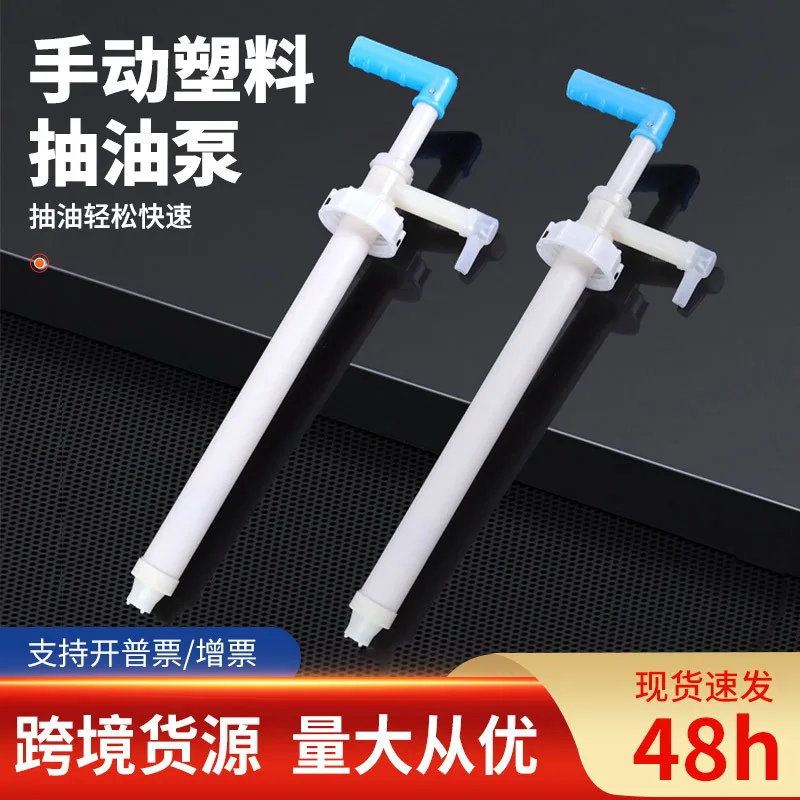
Other Pumps look simple until the moment they are needed. The specification sheet is short, but every line on it changes what the item will do, how long it lasts and how much it costs to keep running.
All 10 options are listed below with prices from $8.99 to $23.10. Comparing them line by line takes a few minutes and saves the cost of buying twice.
What decides how an other pump performs
Four things decide how another pump performs: size, material, build and the price band it sits in. The table below shows what each one changes in practice.
| Factor | What it changes | Typical choices |
|---|---|---|
| Flow rate | Litres per minute or per hour at the duty point, not in free air. | 20 / 100 / 500 L per min |
| Head | The height the pump lifts plus friction losses in the pipework. | 10 m / 30 m / 60 m |
| Power supply | Single phase suits a workshop, three phase suits continuous duty. | 230 V / 400 V |
| Media handled | Clean water, slurry and chemicals need different materials and impellers. | Clean water / slurry / chemical |
| Suction lift | Self priming pumps draw from a depth; others must be flooded. | Self priming / flooded |
Worth knowing: the cheapest option in a range is rarely the one that costs least over time, because consumables and replacement parts follow the purchase.
Pump types
There is no single best type, only the type that matches the work. This is where the choice is usually won or lost.
| Type | Suits | Limit |
|---|---|---|
| Centrifugal | Large volumes at low head | Poor at high suction lift |
| Diaphragm | Solids and gentle handling | Pulsing flow |
| Submersible | Dirty water and sumps | Needs to sit in the liquid |
| Peristaltic | Dosing and abrasive slurry | Low flow rate |
Installing a pump so it lasts
Good results come from a repeatable method rather than from force or guesswork. Work through the table in order and the outcome is predictable.
| Step | What to do | Why |
|---|---|---|
| Mount it solidly | Bolt down and align the pipework | Vibration destroys bearings |
| Fit a strainer | Protect the inlet | Debris is what jams an impeller |
| Size the pipe | Keep suction pipework short and wide | Friction limits how much arrives |
| Never run dry | Check there is liquid at the inlet | Seals die in seconds without it |
Other Pumps in this range
The listing below is the option this guide is built around. It shows the current price and the full specification.
Every option in this range
Every option in this range is listed below with its price, so the whole ladder can be read at once.
| Part of the range | Price | Options | Notes |
|---|---|---|---|
| Lower third of the range | $8.99 to $10.08 | 3 options | The sizes most buyers start with |
| Middle third of the range | $10.54 to $10.70 | 3 options | Where most of the value sits |
| Upper third of the range | $12.25 to $23.10 | 4 options | For heavy or continuous work |
Reading the ladder, the real jump in capability comes once rather than at every step, so it pays to find that step and buy there.
Prices and what the money buys
Two costs matter more than the purchase price: what has to be replaced, and how often. An option that costs a little more and lasts twice as long is the cheaper one over a year of work.
Looking after other pumps
Nothing in this range needs much looking after, but the small routines below are what separate an item that lasts a decade from one that lasts a season.
- Check the strainer for debris every month in dirty service.
- Inspect the seal for weeping and replace before it drips hard.
- Keep the motor vents clear of dust so it runs cool.
- Drain a pump that will sit idle through frost.
- Check the coupling and alignment after any vibration appears.
- Log run hours so service intervals are based on use, not memory.
Buying in quantity
Ordering more than one changes the calculation. Unit prices for larger quantities are quoted separately, and the saving usually appears once the order goes past a small multiple rather than on the second item.
For trade buyers the practical question is how many will be consumed in a year. Buying a year’s worth at once removes the cost of repeat shipping and the risk of a size going out of stock mid job.
Fitting and first use
Check the item against the listing as soon as the parcel is opened. Size, option and finish are the three things that are wrong when something is wrong, and all three are obvious in the first minute.
Read the maker’s clearance and torque figures before the first use rather than after. Nearly every early failure in a range like this is an installation problem rather than a manufacturing one.
Common mistakes
The commonest mistake is buying for the worst job rather than the usual one. A specification chosen for a task that happens twice a year is carried through every day of the other three hundred and sixty.
The second commonest is ignoring the consumables. What has to be replaced, and how often, decides the real running cost far more than the purchase price does.
What arrives with the order
Each option is supplied as a complete unit, packed for transport and despatched by the carrier selected at checkout. Options in this range are priced individually, so the packing list follows the option chosen rather than a fixed bundle.
Where an option includes a case, a set or a spare, the listing says so against that option. Anything not listed against the option is not part of it, which keeps the price comparison honest.
Frequently Asked Questions
These are the questions that come up most often about Other Pumps.
What is head?
The total height a pump can lift water, including friction in the pipework. A pump that lifts 30 m in open air lifts much less through long pipework.
Why does my pump lose flow?
Air leaks on the suction side, a blocked strainer or a worn impeller. Check in that order.
Can a pump run continuously?
Only if its duty rating says so. Continuous duty at a flow rate above the duty point overheats the motor.
Is there a warranty?
Faults in manufacture are covered under the standard warranty. Keep the order details, because the warranty is handled against the original purchase.
Can I collect instead of paying for delivery?
Collection is not offered for this range. All orders are despatched by the carrier selected at checkout.
Choosing the right one
Choosing well comes down to matching the specification to the work rather than to a budget. Work out the size, then the material, then the build, and the price follows.
The Other Pumps range here covers every option listed above, with live stock and pricing.
If two options look equally suitable, take the larger one only if the work is likely to grow. Otherwise take the smaller and keep the difference for consumables.