Blog
Winches: Slings, Hooks and Safe Working Load

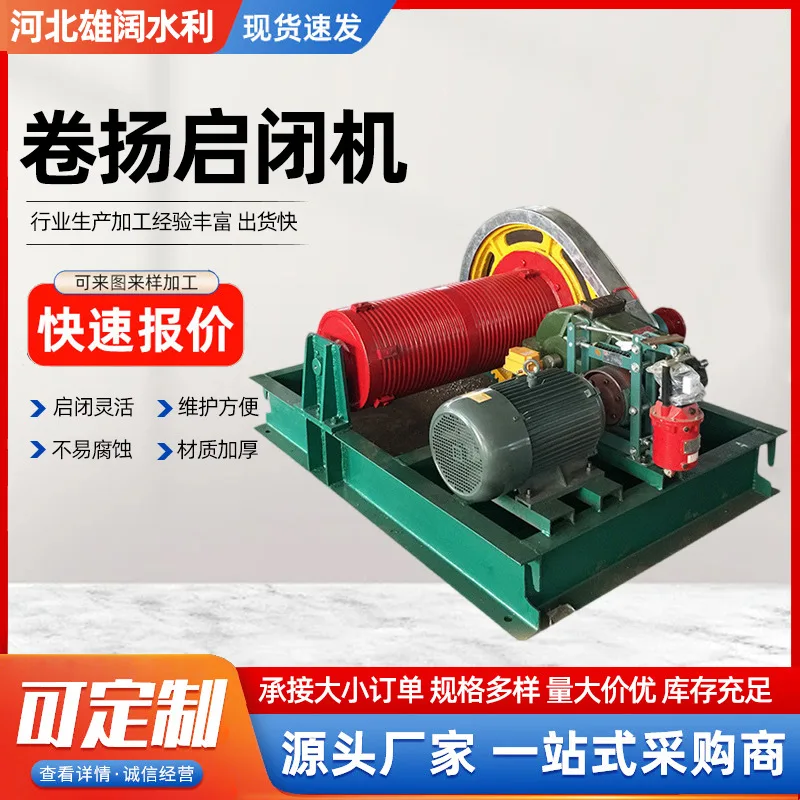
Most people shopping for winch are comparing prices when they should be comparing specifications. The difference between two options in this range is usually one dimension, and that one dimension is what decides whether the item does the job or sits in a drawer.
This listing covers a single option priced at $32.80, so the specification is fixed rather than chosen from a ladder. It is still worth checking the figures below against the job.
What decides how a winch performs
Two of the factors below matter more than the rest, but which two depends entirely on the job. Read the whole table before deciding which rows to ignore.
| Factor | What it changes | Typical choices |
|---|---|---|
| Rated capacity | The safe working load, not the load it will lift before breaking. | 500 kg / 1 t / 2 t / 5 t |
| Lift height | Decides whether the unit reaches the load and clears the obstruction. | 1.5 m / 3 m / 5 m and more |
| Power source | Manual chain, electric and pneumatic each trade speed against cost. | Manual / 240 V / pneumatic |
| Duty cycle | A long lift on a light unit overheats it unless the rating matches the job. | Light / standard / heavy |
| Anchor and fixing | The beam, trolley or floor plate is part of the system and carries the load too. | Beam clamp / trolley / floor mount |
Once the deciding figures are clear, the rest of the choice is about how the item is used rather than what it is. A specification that suits daily trade use is wasted on occasional domestic work, and the reverse is worse.
Types of lifting gear
The table below sets out the main types side by side with the compromise each one makes. Every design is a trade, and knowing the trade is what stops an expensive mistake.
| Type | Suits | Notes |
|---|---|---|
| Chain block | Straight pulls and rigging | Holds the load without power |
| Lever hoist | Pulling and tensioning | Works at any angle |
| Electric hoist | Repeated lifts | Needs a power supply at the beam |
| Pallet truck | Moving loads on the flat | No lift height to speak of |
Checking a lift before it starts
In use, the sequence matters as much as the tool. The steps below are the ones that decide whether the result is repeatable or a one-off success.
| Step | What to do | Why |
|---|---|---|
| Read the plate | Confirm the rated capacity and the test date | The plate is the legal limit, not the label |
| Inspect the chain | Look for nicks, stretch and dry links | A stretched chain has already been overloaded |
| Check the hook latch | The latch must close under spring pressure | An open hook spills the sling |
| Test at low height | Lift 100 mm, pause, then continue | Shows the balance before the load is high |
Winches in this range
This is the item described above, listed with its current options and price.
Every option in this range
Below is the complete set of options and prices, ordered so the step between each one is visible.
| Part of the range | Price | Options | Notes |
|---|---|---|---|
| Full range | $32.80 | 1 | Only specification supplied |
The pattern is consistent: the cheapest option does the basic job, the middle of the range adds the flexibility most buyers actually want, and the top option exists for continuous trade use.
Prices and what the money buys
Price in this range tracks specification, but not in a straight line. Between $32.80 and $32.80 the cost moves in steps, and the step that matters is the one where capability changes rather than where materials improve.
Looking after winches
Store, clean and check. Those three habits cover nearly everything that goes wrong.
- Oil the chain and the load wheel, not the brake, on a chain block.
- Store hoists with the chain slack and the hook off the floor.
- Inspect slings for cuts and heat damage before every use.
- Keep the hook latch free of paint and grit.
- Check beam clamps and trolley bolts for tightness monthly.
- Record inspections; a written log is what keeps the gear legal.
Buying in quantity
Ordering more than one changes the calculation. Unit prices for larger quantities are quoted separately, and the saving usually appears once the order goes past a small multiple rather than on the second item.
For trade buyers the practical question is how many will be consumed in a year. Buying a year’s worth at once removes the cost of repeat shipping and the risk of a size going out of stock mid job.
Fitting and first use
Check the item against the listing as soon as the parcel is opened. Size, option and finish are the three things that are wrong when something is wrong, and all three are obvious in the first minute.
Read the maker’s clearance and torque figures before the first use rather than after. Nearly every early failure in a range like this is an installation problem rather than a manufacturing one.
Common mistakes
The commonest mistake is buying for the worst job rather than the usual one. A specification chosen for a task that happens twice a year is carried through every day of the other three hundred and sixty.
The second commonest is ignoring the consumables. What has to be replaced, and how often, decides the real running cost far more than the purchase price does.
What arrives with the order
Each option is supplied as a complete unit, packed for transport and despatched by the carrier selected at checkout. Options in this range are priced individually, so the packing list follows the option chosen rather than a fixed bundle.
Where an option includes a case, a set or a spare, the listing says so against that option. Anything not listed against the option is not part of it, which keeps the price comparison honest.
Frequently Asked Questions
A short set of answers to the commonest questions on Winches.
What does the safety factor mean?
Lifting gear is rated at a fraction of its breaking load, commonly four or five to one, so the working load already includes the margin.
Can I use a hoist at an angle?
A chain block should pull straight. A lever hoist is the tool that works at an angle, and only within its rated direction.
How often should lifting gear be inspected?
In most jurisdictions a formal inspection every six months is expected, with a visual check before each use.
Can I order in larger quantities?
Yes. Trade and bulk orders are welcome, and pricing for larger quantities is quoted on request rather than taken from the single unit price.
What if something arrives damaged?
Report it with photographs as soon as the parcel is opened. The returns policy covers damaged and faulty goods, and replacements are arranged from that report.
Choosing the right one
Decide the job, decide the size, then buy the option that covers it with a little in hand. That is the whole method.
The Winches range here covers every option listed above, with live stock and pricing.
For most buyers the practical step is to write down the two or three figures that matter, compare the option table against them, and ignore everything else on the listing.