Blog
SDS Cross Drill Bit Buyer’s Guide: Choosing the Right Option

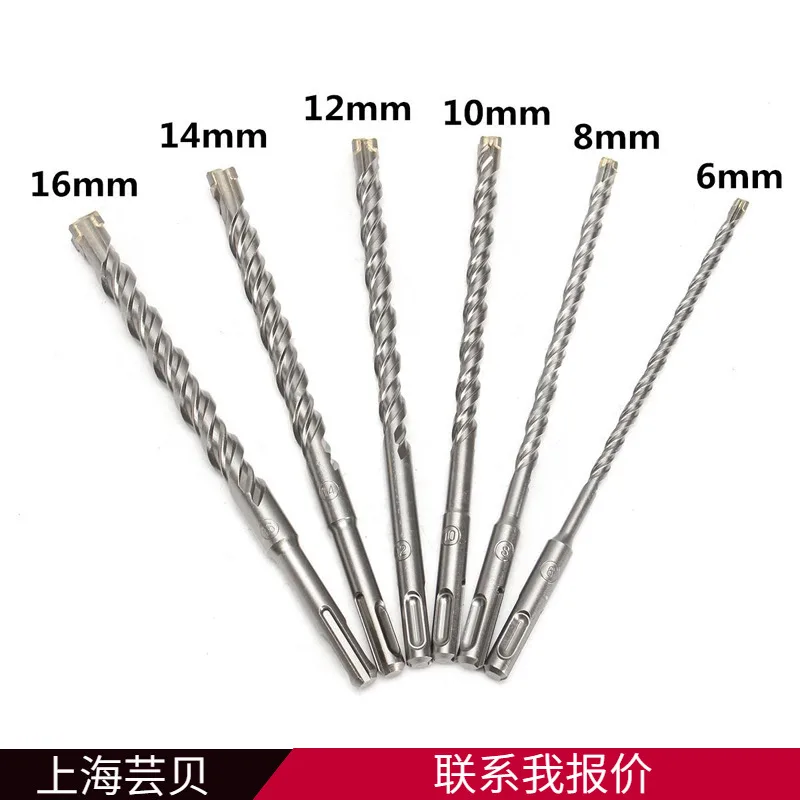
This guide answers the questions that come up before the money is spent on sds cross drill bit: what the figures mean, which option covers the work, and what to look at once the parcel is open.
There are 3 options in this range, running from $8.99 at the entry point to $21.58 at the top. Reading the option ladder before deciding is what keeps the purchase to one order.
The range at a glance
Before the detail, it is worth seeing the shape of the range. The figures below come from the listing itself rather than from a summary written alongside it.
| Item | This listing | What it tells you |
|---|---|---|
| Options available | 3 options | Each option is priced separately |
| Price band | $8.99 to $21.58 | The step between options is the specification change |
| Size or capacity span | 8 to 14 mm | Read the ladder below before choosing |
| Units used in the options | Mixed | The units you will be comparing against the job |
| Format | Variable product | How the options are structured on the site |
Sizing it to the job
Work through these in order. Changing a decision later usually means changing the order, which is why the dimensions are worth settling before anything else.
| Dimension | What it decides | How to choose |
|---|---|---|
| Range | The span the tool covers | Sized to the largest part, with resolution in mind |
| Resolution and accuracy | The finest reading, and how close it is to true | Fine enough for the tolerance, not finer |
| Geometry and coating | Edge life and the finish left in the material | Matched to the material and the machine |
The ladder below groups the options as they actually run, from the smaller end of the range to the larger, so the step between one part of the range and the next is visible at a glance.
| Part of the range | Size or capacity | Price | Where it suits |
|---|---|---|---|
| Smaller half | 8 to 8 mm | $8.99 to $8.99 | Everyday work |
| Larger half | 10 to 14 mm | $11.61 to $21.58 | Heavier work |
The SDS Cross Drill Bit listing
The item this page is built around is listed below, with its current price and the full set of options.
What to check when it arrives
The table below is the arrival check. It is short, and every row has caught a genuine problem for somebody.
| Check | Why it matters | What good looks like |
|---|---|---|
| Readings repeat on a known part | Repeatability is the whole point of the instrument | The same figure twice, then zeroed and checked again |
| Graduations are clear and engraved | Printed scales wear away in a workshop | Engraved or etched markings |
| Face or anvil is clean and square | Damage at the contact point biases every reading | No nicks, burrs or rocking |
| Tool is held accurately in the machine | Runout destroys the edge and the hole | Correct holder or collet, seated clean |
| Coating suits the material | A coating for steel can chip on aluminium | A coating matched to the workpiece |
| Calibration or a reference is provided | It is what makes a reading defensible | A certificate, a standard or a setting piece |
Where these go wrong
Read the symptom first and the cause second. The instinct to add force or buy a replacement is usually the wrong first move.
| Symptom | Likely cause | What to do |
|---|---|---|
| Reading drifts between uses | Temperature, a dirty face or a worn mechanism | Clean the faces, let it settle to room temperature, re-zero |
| Blade or bit dulls quickly | Speed, feed or the wrong geometry for the material | Reset speed first, then feed, then geometry |
| Hole comes out oversize | Runout in the holder or a bent tool | Check the holder and tool for runout before changing technique |
| Level or square reads inconsistently | Out of adjustment or used on an uneven surface | Check against a known reference and adjust |
Cutting and measuring in practice
Measuring tools are judged on whether they repeat, not on how far they read. A modest instrument that returns the same figure twice is worth more than a wide one that drifts.
Cutting tools are judged on the material in front of them. Geometry and coating decide how long an edge lasts, and the machine only has to hold the tool accurately enough for that edge to work.
Accuracy is a chain. A perfect instrument used on a dirty face or a loose setup gives a wrong answer, and the error is usually blamed on the tool rather than the method.
Ordering for a team or a season
Past a single unit the question stops being which option and becomes how many, and the answer comes from consumption rather than from the price list.
Quoting works on quantity, so it pays to give the number required and the date it is needed together instead of asking for a unit figure and negotiating afterwards.
Frequently Asked Questions
These are the questions that come up before an order is placed on SDS Cross Drill Bit.
How fine a resolution do I need?
Only as fine as the tolerance you work to. Resolution beyond the accuracy of the instrument or the method gives digits rather than information, and it costs more.
Why do two instruments disagree?
Almost always the setup: temperature, a dirty face, or a part that moves. Compare them on a known reference before deciding which one is wrong.
Does coating really extend edge life?
It does in the material it was designed for, and it can shorten it in the wrong one. Coating is a match to the workpiece, not an upgrade in the abstract.
What is the commonest mistake?
Measuring too early. A part that is still warm, or still held in a vice, reads differently from one that has settled, and that difference is bigger than most tolerance bands.
How should I look after a precision tool?
Clean faces, a case, and no impact. Instruments do not wear out through use nearly as often as they are knocked out of truth by handling.
Keeping it working
Upkeep here is measured in minutes, but it is what decides whether the item is still in use in five years.
- Wipe measuring faces and close the instrument after use.
- Store instruments away from heat and impact, in their case.
- Keep cutting edges from touching each other in the tray.
- Check calibration against a reference on a fixed cycle.
- Clear swarf from holders and collets before every change.
- Retire a tool with a chipped edge rather than forcing it through.
Ordering and what happens next
Because the options are priced individually, it is possible to order exactly the specification required rather than the nearest bundle.
The SDS Cross Drill Bit page carries the current stock and the price of every option in this range.
If the choice comes down to two options, take the larger only where the work is likely to grow; otherwise take the smaller and put the difference into consumables.
The practical method is to write down the two or three figures that matter, hold them against the option list, and ignore everything else on the page.