Blog
Pulleys, Roller Wheels and Ball Transfer Units: Moving Loads Smoothly


A pulley does not make a load lighter; it changes where the effort is applied and how many times the rope is shared. A single fixed pulley only redirects the pull, a movable pulley halves the effort, and the price of that saving is that twice as much rope has to be pulled. Rollers and ball transfers solve the same problem differently, by removing friction from a load that is already moving, and which of the three is right depends on whether the job is lifting, sliding or steering. This guide covers the pulley, roller and ball parts in this range and what each is for.
What a pulley actually changes
- Fixed pulley, no saving. One sheave bolted to a beam changes the direction of the pull and the effort stays the same.
- Movable pulley, two to one. A sheave travelling with the load shares the weight between two rope parts, so the effort is halved.
- More sheaves, more advantage. Each additional travelling sheave adds another share, and each fixed sheave only changes direction.
- Rope is doubled with the load. Pulling half the effort means pulling twice the length, which is why a small drum runs out quickly.
- Friction is real. Every sheave loses a few per cent, so the calculated advantage is always slightly better than the measured one.
- Sheave size sets rope life. A rope bent round too small a sheave fatigues quickly, so the sheave should be several times the rope diameter.
| Part | Job | Note |
|---|---|---|
| Fixed pulley with shackle | Redirecting a pull, light lifting | Rated in kg by sheave size |
| Roller wheel | Sliding gates, conveyors, guides | Bore size must match the axle |
| Ball transfer unit | Moving a flat load in any direction | Load spreads over the unit as a point |
| Solid steel balls | Bearings, agitation, media | Diameter and material decide the duty |
Pulleys
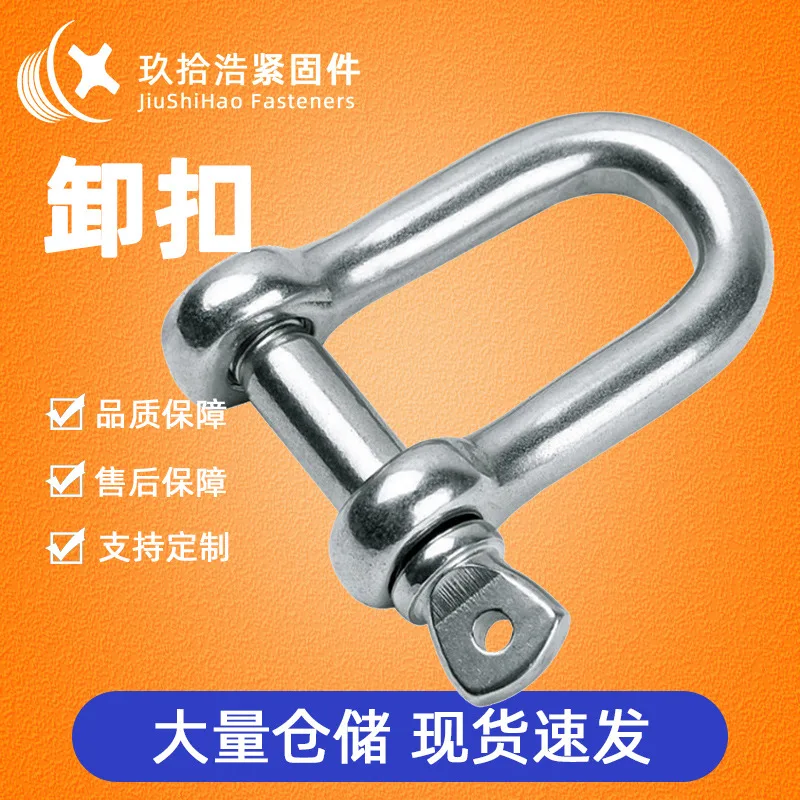
A 304 stainless U-shackle fixed pulley rated from 35 kg at M15 to 75 kg and above at M20 and M25 is the general-purpose block for a light lifting or pulling job: a garage, a workshop, a boat, a hay loft. The shackle is what attaches the block to a beam or an eye, and the load rating is the figure that must not be exceeded, because it is set by the sheave, the pin and the shackle together. Use a rope or a cable that matches the sheave groove, keep the block in line with the pull so the rope does not rub the cheek plates, and never use a light pulley as a snatch block for a recovery: shock loads are several times the static weight and are what break small blocks. Stainless is worth the small extra cost where the pulley lives outside or near water, because the pin and the sheave are the parts that seize when they rust.
Removing friction instead of sharing load
A roller does not reduce the weight; it reduces the effort needed to slide it. A plastic-coated 608ZZ roller wheel with bores of 6, 8 or 10 mm in a 42 mm outside diameter is the standard small roller for a sliding gate, a drawer runner, a conveyor guide or a track for a light trolley, and the bore is the first figure to check, because a wheel that does not match the axle either will not fit or will run loose and wear the shaft. The coated version runs quietly and does not mark a painted track, and the sealed bearing keeps dust out, which is what turns a cheap wheel into a wheel that lasts: a sealed bearing costs little more and fails far later on a dusty gate. Mount the wheel so the load is carried through the axle rather than through the fixing bolt, keep the track clean, and remember that a roller carrying a load at one point of a moving track wears its track as well as itself.
A stamped universal ball transfer unit in CY15A to CY38A sizes goes one step further: a ball on a bed of smaller balls in a housing, so a flat load can be pushed in any direction with almost no effort. Ball transfers are used in tables where panels, crates or pallets have to be spun and positioned, and the load should be spread over several units rather than left on one, because the capacity of a single unit is a point load and the thin skin of a load will deform first. A solid steel ball from 6 to 8 mm is the simplest form of the same idea and a part with many other uses: a bearing medium in a low-speed assembly, an agitator or mixing media in a container, a check valve ball, a weight or a plug. Diameter, hardness and material decide the duty, and a bag of balls of one size is the practical way to buy them, because the useful quantity is always more than a handful.
Safety and usage notes
- Never exceed the rating. A pulley’s figure is a working load, not a breaking load, and shock loads are several times the static weight.
- Align the pull. A rope that runs across a sheave cheek rubs, frays and wears the block.
- Match rope to sheave. Too small a sheave fatigues a rope that is otherwise sound, and the failure appears far from the block.
- Check the pin. The shackle pin on a small pulley is the part that bends and is the part to inspect.
- Keep rollers clean. Dust and grit in a bearing is the reason a roller that was free becomes a roller that skids.
- Spread a ball transfer load. Use enough units to share the weight, and never let a corner overhang without support.
Frequently asked questions
Does one pulley halve the weight I have to lift?
Only a movable pulley does. A fixed pulley bolted to a beam changes the direction of the pull and gives no mechanical advantage at all.
How do I pick the sheave size?
By the rope: the sheave should be several times the rope diameter, and the groove should match the rope so it does not pinch or flatten it.
Can I use a pulley for vehicle recovery?
Only a rated snatch block and rated recovery gear. A light pulley used on a rope under shock load is the classic way to send hardware through a windscreen.
What bore do I need for a roller wheel?
The axle diameter. A 8 mm bore on an 8 mm shaft with a shoulder, or a 10 mm bore with a sleeve, and the load carried through the axle rather than the mounting bolt.
What are steel balls used for?
Bearings, check valves, mixing and agitation media, and as loose weights or plugs. Hardness and diameter decide which of those a given ball suits.
Where to start
Browse the full pulleys range or the steel balls range, or the wider hardware accessories category for clamps, castors, fittings and nozzles. Tell us the load, the direction it has to move and the space available, and we will point you at the pulley, roller or transfer that fits.