Blog
Combination Wrench Sets: What Is Inside and What to Skip

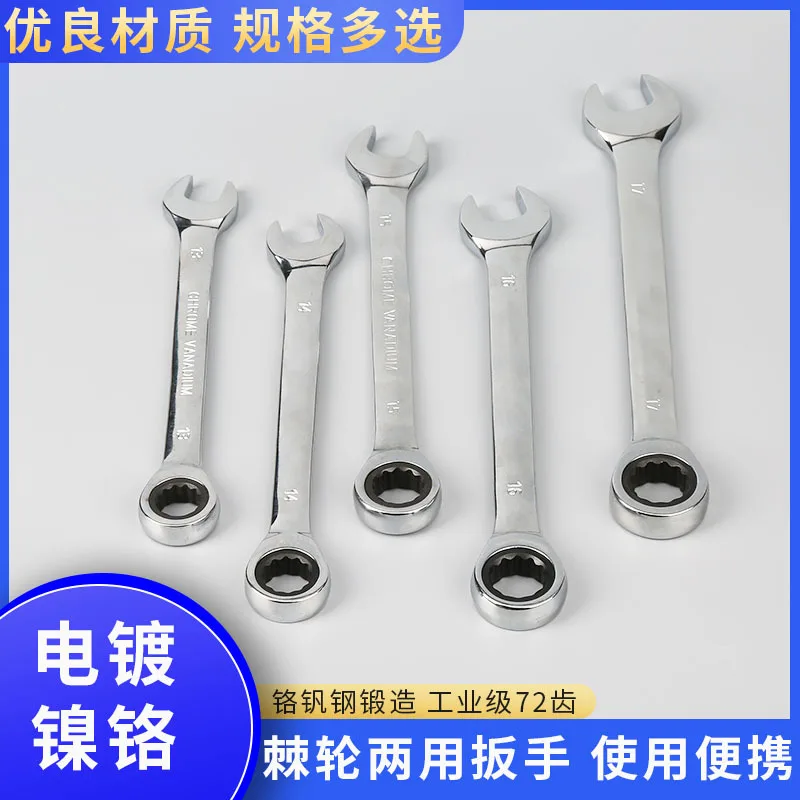
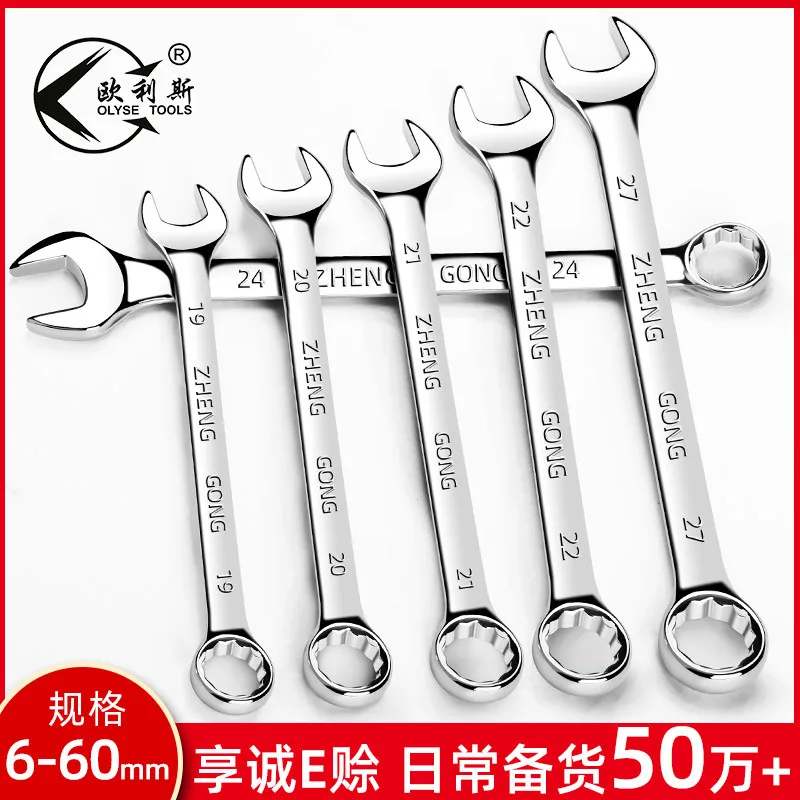
A combination wrench set looks like good value on a catalogue page and can be a poor buy in practice. The piece count tells you nothing about whether the sizes inside match your work, and it says nothing at all about whether the set steps evenly through the range. Understanding what a set actually contains is what turns a bargain into a toolkit.
Piece count is the wrong measure
A seven piece set and an eight piece set can cover very different size spans. What matters is the sizes, and specifically whether the set fills the gaps you meet. A set that runs 6, 8, 10, 12, 14, 17 and 19 mm looks reasonable and quietly skips 13, 15 and 16 mm — three of the most common metric sizes in vehicle and machinery work.
| Set size | What it usually ends up covering | Risk |
|---|---|---|
| Small set, around 7 pieces | Small to mid sizes | Often skips 15 and 16 mm |
| Mid set, around 8 pieces | Mid sizes | Often starts too large for trim work |
| Large set, around 12 pieces | Small through large | Better odds of an even step |
| Full set, around 18 pieces | Wide span, small to heavy | Weight and cost, plus unused sizes |
Before buying, write the sizes down and check them against your equipment. A set whose sizes appear in your work every week is worth more than a larger set that misses them.
Sets against individual wrenches
Sets win on cost per wrench and on storage. A roll or a rack holds the sizes in order, which saves hunting, and buying individually usually costs more per piece. Individual wrenches win when you need a single size in better quality, or when a set would duplicate sizes you already own.
| Approach | Best when | Watch for |
|---|---|---|
| Buy a set | Starting out, or replacing a lost kit | Missing sizes in the middle of the range |
| Buy individual wrenches | Filling gaps or upgrading the sizes used most | Higher cost per wrench |
| Set plus top-up sizes | Most trade workshops | Ending up with duplicates you never use |
The practical middle course, and the one most workshops end up at, is to buy one good set that covers the general band and then add individual wrenches only for sizes that are missing or that wear out first.
What the storage tells you
A set that arrives on a rack or in a roll is easier to keep complete, because a missing wrench is immediately visible. Sets that come loose in a box tend to lose their smallest sizes first, and a wrench that is not there is worse than one that is worn. If a set must live in a van, a roll that rolls up tight protects the heads and takes less space than a rack.
Steel matters too. A chrome vanadium combination wrench takes hand force comfortably and resists wear at the ring, which is where the load concentrates. For the large sizes and the sizes used hardest, the same steel in a heavier pattern is worth the small extra cost.
Combination wrench sets and sizes in this range
Every option in this range
Options run from a basic set through 7, 8, 12 and 18 piece kits to individual wrenches from 6 mm up to 32 mm. Prices are per set or per wrench.
| Option | Covers | Best for | Price |
|---|---|---|---|
| Starter set | Entry level sizes | A first kit or a spare roll | $8.99 |
| 7 piece set | Small to mid sizes | Light maintenance work | $26.97 |
| 8 piece set | Mid sizes | General trade work | $26.97 |
| 12 piece set | Small through mid | A working kit for most maintenance | $26.97 |
| 18 piece set | Small through heavy | A full bench kit | $26.97 |
| Single, 6 mm | Smallest fitting size | Top-up for trim and instrument work | $13.93 |
| Single, 8 mm | Small bolts | Top-up for light assembly | $13.93 |
| Single, 11 mm | Small machinery fasteners | Filling a gap in a set | $15.88 |
| Single, 13 mm | General small bolts | The most-used size on many machines | $18.28 |
| Single, 15 mm | General bolts | A very common vehicle size | $20.38 |
| Single, 17 mm | Common vehicle fasteners | Heavily used in automotive work | $24.27 |
| Single, 20 mm | Larger general fasteners | Machinery and pipework | $26.97 |
| Single, 22 mm | Heavy general fasteners | Plant and structural work | $26.97 |
| Single, 24 mm | Heavy fastenings | Plant and flanges | $26.97 |
| Single, 26 mm | Large machine nuts | Heavy assembly | $26.97 |
| Single, 32 mm | The largest size here | Heavy plant work | $26.97 |
Sets are the better value per wrench, while the individual options exist for the sizes that get lost or worn first. On a working bench, both are usually needed.
Getting value from a set
- Write the sizes down before buying and check them against your equipment.
- Look for an even step through the general band rather than a high piece count.
- Keep the set in its roll or on its rack so a missing wrench is obvious immediately.
- Upgrade the two or three sizes you use daily rather than the whole set.
- Replace a lost small size promptly; a gap in the range is what forces a second kit.
- Wipe the wrenches after oily work, and store flat so the ring heads stay true.
Which set suits which workshop
A home or light maintenance workshop is well served by a set that runs from about 6 mm to 19 mm, covering trim, appliances, bicycles and light vehicle work. A general trade workshop wants a 12 piece set reaching 22 mm or 24 mm so that plant and machinery fasteners are included. A heavy workshop working on plant, flanges and structural steel needs the wide set and then tops it up with individual sizes above 30 mm as the jobs appear.
The mistake to avoid in every case is buying the biggest set on the page. Weight matters when the kit is carried, and unused sizes are money and space spent on nothing.
Frequently Asked Questions
How many combination wrenches should a starter set have?
Around 8 to 12 pieces covering roughly 6 mm to 19 mm, provided the sizes step evenly and include 13, 15 and 17 mm.
Are wrench sets worth buying?
Yes, if the sizes match your work. They cost less per wrench and keep the range organised, which is the main practical advantage.
Why does my set skip a size I need?
Because the set was chosen by piece count. Compare the size list against your equipment before buying, not afterwards.
Should I buy individual wrenches instead of a set?
For filling gaps and replacing worn sizes, yes. For starting a kit, a set is usually better value.
Do big sets include sizes I will never use?
Often, yes. Sizes above about 32 mm are rarely needed unless the work includes plant, flanges or structural steel.
Choosing the right kit
Decide the sizes your work needs, choose a set that steps through them without gaps, and top up with individual wrenches as sizes wear out. The combination wrench set range covers starter kits through 18 piece sets and individual wrenches up to 32 mm, so a workshop can build the range it actually uses.