Blog
Flat-Jaw Pliers Sizes: 35 mm to 80 mm Jaws Compared

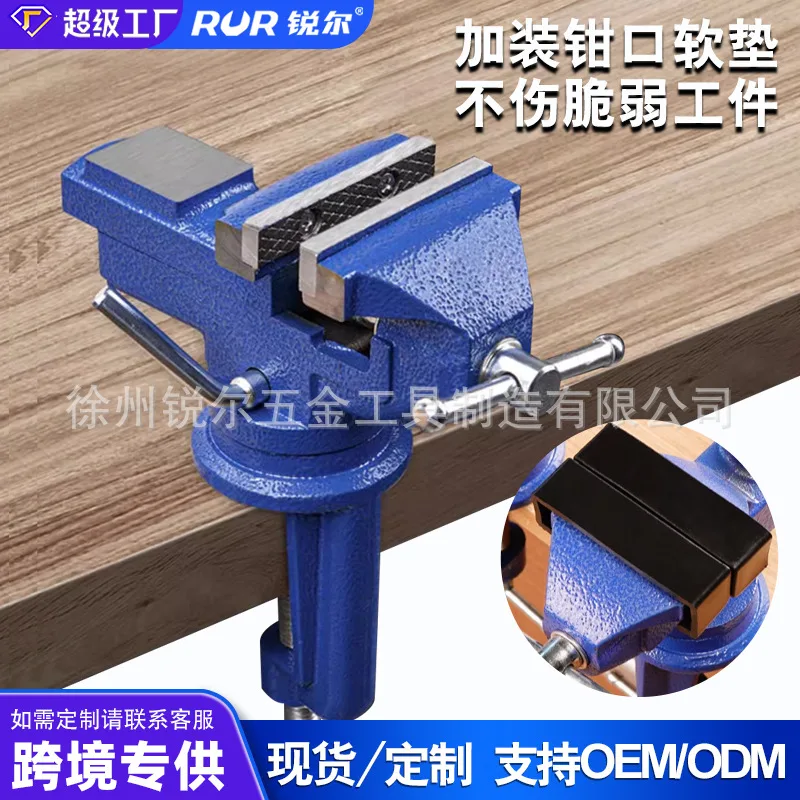
The jaw size of a flat-jaw tool is quoted in millimetres, and that number decides how much material the tool can hold without bending it. A 50 mm jaw concentrates force into a smaller area than an 80 mm jaw at the same hand pressure, so thin sheet distorts under a load an 80 mm pair would carry without complaint. This range covers 35 mm to 80 mm in several finishes, and choosing between them is a matter of matching the jaw to the thinnest material in the job.
What the size number tells you
- Contact area. The jaw width sets how far the load spreads across the work. Wider jaws mean lower pressure at the same force.
- Work size. A small jaw is easier to place on a bracket or an edge. A large jaw is the right tool for a panel.
- Access. A 35 mm tool reaches into gaps that an 80 mm one cannot enter at all.
- Weight and balance. Large jaws make a heavier tool, which matters when it has to be held in position for minutes at a time.
- Clamping thickness. Jaw size does not set the opening; the mechanism does. Check both numbers before buying.
- Finish and colour. Colour is an identification aid and nothing more. The jaws behind it are the same.
Size against the job
| Jaw | Holds | Best at | Limit |
|---|---|---|---|
| 35 mm | Small brackets, thin strip | Fine assembly and repairs | Very limited load before distortion |
| 50 mm | Small panels and joints | Light fabrication | Distorts thin sheet under load |
| 60 mm | General panels and joints | Everyday assembly work | Compromise at both extremes |
| 70 mm | Larger panels and weld preparation | Fabrication and repair | Bulky in confined work |
| 80 mm | Large panels and heavy joints | Heavy fabrication | Heavy to hold in position |
| Coloured versions | Same capacities as the plain ones | Keeping sizes identifiable | No mechanical difference |
The useful pair to own is the size that matches the material rather than the size that looks strongest. An 80 mm jaw on a small bracket is unwieldy, and a 50 mm jaw on a full panel will pull the sheet out of shape no matter how carefully it is applied.
The flat-jaw pliers in this guide
Every option in this range
Ten options across five jaw sizes in plain and coloured finishes. Prices are per tool.
| Option | Jaw width | Finish | Best for | Price |
|---|---|---|---|---|
| Compact tool | 35 mm | Standard | Fine assembly and small brackets | $8.99 |
| Small tool | 50 mm | Coloured | Light fabrication and repair | $23.29 |
| Small tool | 50 mm | Standard | Small panels and joints | $26.97 |
| Small tool | 50 mm | Coloured, second type | Bench kit use | $26.97 |
| Standard tool | 60 mm | Standard | General assembly work | $26.97 |
| Standard tool | 60 mm | Coloured | Everyday bench use | $26.97 |
| Large tool | 70 mm | Standard | Fabrication and repair | $26.97 |
| Large tool | 70 mm | Coloured | Heavier panels and joints | $26.97 |
| Widest tool | 80 mm | Standard | Large panels and heavy joints | $26.97 |
| Widest tool | 80 mm | Coloured | Heavy fabrication work | $26.97 |
The pricing is almost entirely flat above the smallest size, so jaw width costs nothing extra in this range and the choice really is about the work. Where two sizes seem equally suitable, take the wider one: extra contact area is always an advantage, and unwieldiness only matters in confined work.
Using the right size on a joint
- Place the jaw on the flat, not on a fold. A flat face spreads the load; a jaw resting on a crease concentrates it and marks the fold.
- Take up the gap slowly. Close the jaw until the joint faces meet, then stop. Additional force after contact deforms the panel.
- Match both sides. Where two tools are used, use the same size on both sides so the load is even and the panel does not pull over.
- Keep the jaw square to the work. A tilted jaw grips on one edge and leaves a mark along that edge.
- Use a shim on finished surfaces. Card, tape or a strip of soft aluminium protects paint and plating from the jaw edge.
- Do not use the tool as a clamp for long periods if it is a plain pattern. The hand has to stay closed. A locking pattern is the one for holding work while both hands are busy.
Materials, distortion and the practical limit
Every flat-jaw tool has a point where holding becomes distorting, and that point moves with material thickness and stiffness. Aluminium panels dent far earlier than steel of the same thickness, and a painted panel shows the damage that an unpainted one would hide. Working out where that limit lies for the material in front of you is a matter of testing on an offcut before committing to the finished part.
Where the material is thin, a wider jaw is the answer, and where the joint is deep, a longer throat is the answer. Size alone does not solve either problem: a wide jaw with a short throat still grips only at the edge of the work, and a long throat will not stop a narrow jaw from denting a panel.
The other practical point is balance. A large-jaw tool held in position while a fastener is fitted becomes heavy after a minute or two, and a hand that is tiring applies uneven force. Where the tool has to stay in place for a period, the locking pattern with a moderate jaw size is usually more effective than a large plain tool that has to be held by hand.
Frequently Asked Questions
What jaw size do I need?
Match the jaw to the thinnest material in the work. Wider jaws spread the load and distort thin sheet less.
Do bigger jaws grip better?
They distribute the load better, which reduces marking and distortion. Actual grip force comes from the mechanism and the handles.
Does the colour mean anything?
No. Coloured versions have the same jaws and mechanism. The colour only makes different sizes easier to identify.
Can a 35 mm tool hold a panel?
It can hold a corner or an edge on a small panel, but the pressure per unit area is high and thin sheet will distort.
Should I shim the jaws on painted work?
Yes. A strip of card or tape under each jaw face protects paint and plating from the jaw edge.
Buying the right one
Choose the jaw to match the material, then take the wider option where there is a choice. The flat-jaw pliers in this range cover 35 mm to 80 mm jaws in plain and coloured finishes.