Blog
Long Nose Pliers Buyer’s Guide: Choosing the Right Option

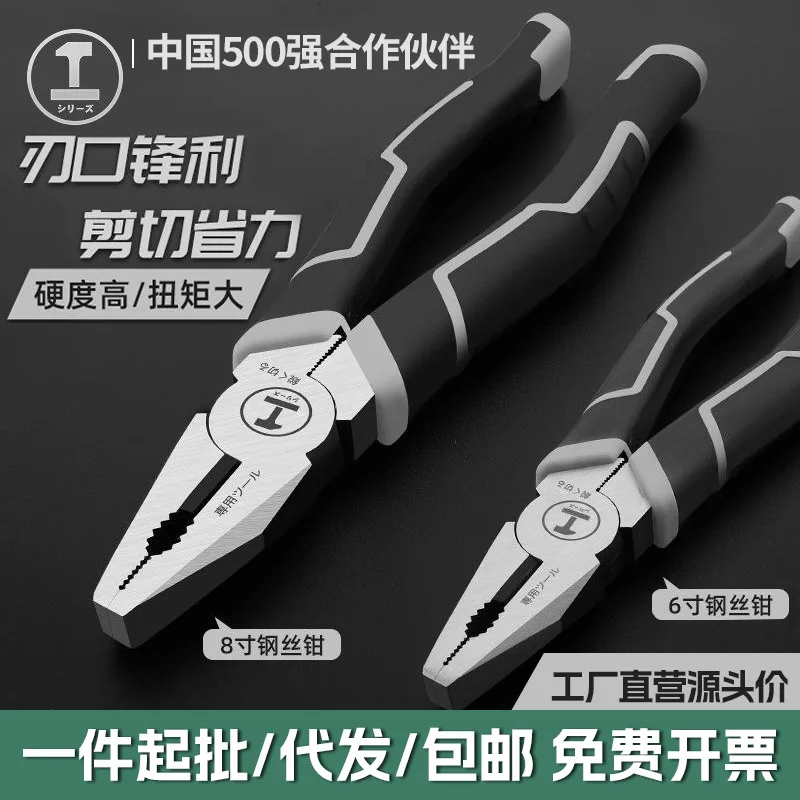
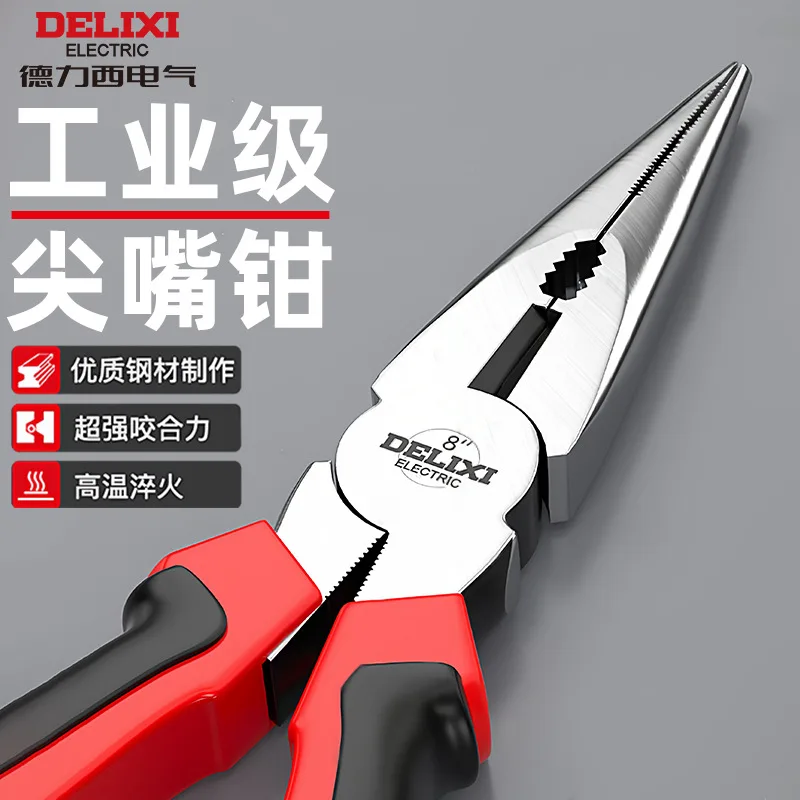
This guide answers the questions that come up before the money is spent on long nose pliers: what the figures mean, which option covers the work, and what to look at once the parcel is open.
There are 16 options in this range, running from $9.95 at the entry point to $26.97 at the top. Reading the option ladder before deciding is what keeps the purchase to one order.
The range at a glance
The table below puts the whole listing on one screen: how many options there are, what the price band is and how far the sizes or capacities actually span.
| Item | This listing | What it tells you |
|---|---|---|
| Options available | 16 options | Each option is priced separately |
| Price band | $9.95 to $26.97 | The step between options is the specification change |
| Size or capacity span | 6 to 9 in | Read the ladder below before choosing |
| Units used in the options | Mixed | The units you will be comparing against the job |
| Format | Variable product | How the options are structured on the site |
Sizing it to the job
The three dimensions below are the ones that change the result. Two of them can be measured from the work itself; the third is a judgement about how the item will be used.
| Dimension | What it decides | How to choose |
|---|---|---|
| Overall length | Reach and the leverage available at the handle | Short for bench work, long for recessed fixings |
| Working end size | The fastener or stock it actually fits | Match the nominal size on the part, not the tool |
| Handle material | How the tool feels after an hour and whether it insulates | Dipped or dual-layer for trade use |
The ladder below groups the options as they actually run, from the smaller end of the range to the larger, so the step between one part of the range and the next is visible at a glance.
| Part of the range | Size or capacity | Price | Where it suits |
|---|---|---|---|
| Smaller end of the range | 6 to 6 in | $9.95 to $26.69 | Light and occasional work |
| Middle of the range | 6 to 7 in | $9.95 to $20.56 | The sizes most buyers settle on |
| Larger end of the range | 8 to 9 in | $21.60 to $26.97 | Heavy or continuous work |
The Long Nose Pliers listing
The listing below is the one described above, with the options and prices as they stand today.
What to check when it arrives
Most of what goes wrong after delivery is visible in the first few minutes, which is why the checks below are worth doing before the item goes into service.
| Check | Why it matters | What good looks like |
|---|---|---|
| Head or jaw is machined, not cast | Cast working ends crack under load | A visible forged or machined finish |
| Handle joins the head without play | A loose joint wastes force and rounds the fixing | No movement when the tool is twisted by hand |
| Cutting edges are hardened | Soft edges mark the material instead of cutting | An induction-hardened edge, stated on the listing |
| Sizes span the range you actually use | A single size never covers a real job | Two or three sizes either side of the common one |
| Replaceable parts are stocked | Wear happens at one point, not all over | Jaws, blades or tips listed separately |
| Weight suits the duty | Too heavy is tiring, too light is weak | Heavier stock for the size that gets used most |
Where these go wrong
The problems below account for most of the complaints in this category, and nearly all of them have a cause that can be corrected without replacing anything.
| Symptom | Likely cause | What to do |
|---|---|---|
| Fastener rounds off | Jaw one size small, or worn teeth | Step up a size and inspect the jaw profile |
| Handle flexes or cracks | Overload beyond the rating | Move to a heavier series for that job |
| Edge dulls after a few cuts | Soft steel or the wrong cutting angle | Resharpen at the original bevel or replace the blade |
| Joint stiffens or seizes | Grit in the pivot and no lubrication | Clean the pivot and apply a light machine oil |
Hand tools in practice
Hand tools are bought for the hand that will hold them, so grip, weight and reach decide more of the outcome than the badge on the handle. A tool that fits the hand is used correctly; one that does not is forced.
The steel in the working end matters most where the tool bites. Hardened jaws and edges keep their shape, while soft ones deform and then chew the fastener instead of turning it.
Anything that cuts or grips will eventually wear at one point only. Buyers who plan for that, by checking that the jaw or blade is replaceable, get years more from the same handle.
Frequently Asked Questions
The answers below cover the questions that decide most orders in this range.
How do I know which size to order?
Take the size from the part you will work on, then check the tool’s stated range covers it with a little in hand. Oversize tools reach better but lose sensitivity; undersize ones deform quickly.
Is the more expensive steel worth it?
For anything used daily, yes. Harder, properly hardened steel keeps its edge or its jaws far longer, and the difference shows up as soon as the first job with a seized part.
What does the range of options buy me?
Mostly size and duty. Moving up the range usually adds a larger size, heavier stock or a better handle material, and each is priced on its own rather than bundled.
Can I use the same tool for both metric and imperial parts?
Only where the sizes genuinely overlap. A nominal match that is slightly loose will round the corners of a tight fastener, so it is worth holding both sets where the work mixes systems.
How should I store them?
Dry, and separated where it matters. Edge tools should not rattle against each other, and anything with a joint should be stored closed so the pivot is not loaded.
Keeping it working
Clean, check, store. Those three habits cover nearly everything that shortens the life of this equipment.
- Wipe working ends after use; grit left in a jaw does the damage the next time.
- Oil the pivot or the joint every few weeks rather than after it seizes.
- Keep cutting edges away from other tools in the bag or tray.
- Resharpen at the original angle only, and only on the bevelled side.
- Retire a tool with a crack rather than a burr; cracks do not improve.
- Store heavy tools low so a dropped lid cannot bend the working end.
Ordering and what happens next
Because the options are priced individually, it is possible to order exactly the specification required rather than the nearest bundle.
The Long Nose Pliers page carries the current stock and the price of every option in this range.
If the choice comes down to two options, take the larger only where the work is likely to grow; otherwise take the smaller and put the difference into consumables.
Settle the size from the job, confirm the material and the finish from the environment, and the rest of the decision follows without argument.