Blog
Workshop Knives and Shears: Folding, Electrician and Carving Blades

A workshop knife is not one tool. A folding knife lives in a pocket, an electrician knife strips cable, a carving knife shapes timber and a putty knife scrapes a surface flat. Buying one knife and using it for all four is how blades break and how hands get cut. This guide covers the knives and shears we stock, what each shape is for, and how to keep a blade sharp enough to be safe.
Why blade shape matters more than blade size
- Straight edge. Cuts flat stock and shaves material. A straight blade is easy to sharpen and hard to control in a curve.
- Curved or hooked edge. Pulls the material into the cut, which suits cable and sheet. It is also the shape that slips toward the hand if the material gives way.
- Replaceable blade. Keeps the edge perfect with no sharpening, at the cost of the blades themselves. The right choice where the material blunts an edge quickly.
- Fixed versus folding. A fixed blade is stronger and safer in use; a folding blade is safer to carry and slower to bring into service.
The knives and shears we stock
| Tool | Job | Safety note |
|---|---|---|
| Folding knife | General cutting, cardboard, strapping | Locking mechanism must engage fully |
| Electrician knife | Stripping cable and insulation | Never cut toward the hand holding the cable |
| Carving knife | Shaping and whittling timber | Keep the off hand behind the blade path |
| Putty knife | Scraping, filling and spreading | A flexible blade is not a chisel |
| Shears and scissors | Sheet material, fabric, cable ties | Match the shear to the material thickness |
Folding and general-purpose knives
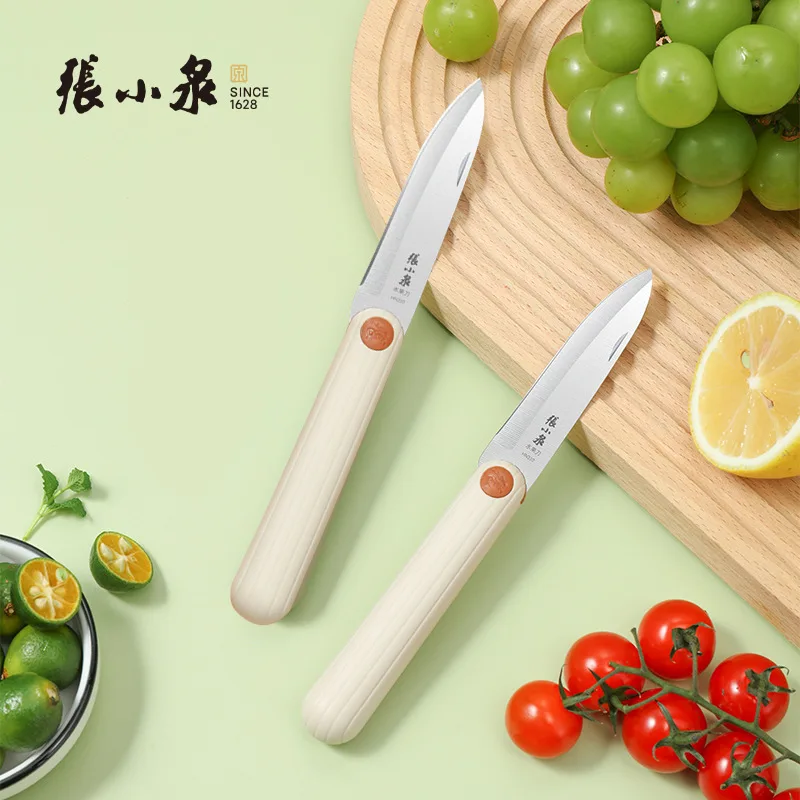
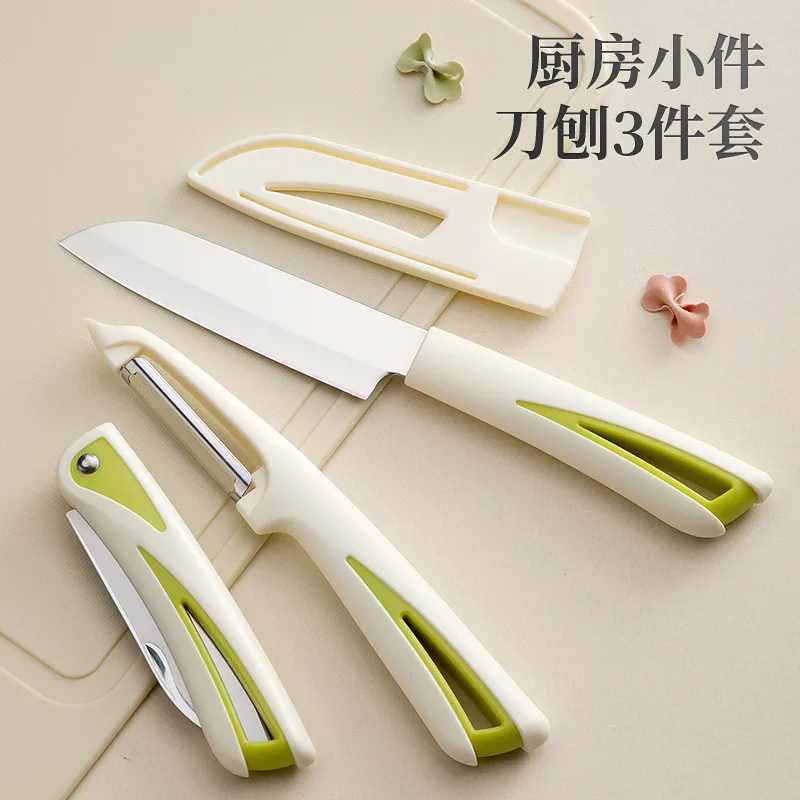
Stainless steel folding knives in a range of sizes cover the everyday jobs: cutting strapping, opening cartons and trimming material. A single folding knife pattern suits buyers who want one known tool rather than a range. Whichever you choose, the locking mechanism is the safety feature that matters, so check that the blade locks with no movement before you put load on it.
Cable and carving knives
Electrician knives have a short blade and a handle that lets you control depth, which is what stops you nicking the conductor inside the insulation. Carving knives in a wide range of patterns shape timber, and a plastic-handled carving knife is the light option for softer material. In both cases the blade is short on purpose: a long blade in a controlled cut gives you less control, not more.
Scraping and finishing knives
Putty knives in a range of widths spread filler and scrape a surface, and the wide pattern is what makes filling a joint quick. Other knife patterns cover specialty shapes for trades where a standard blade does not fit. A putty knife works by stiffness: too flexible and it climbs over the filler instead of spreading it, too stiff and it gouges the surface. The blade width should match the job, not the price.
Shears and scissors for the workshop
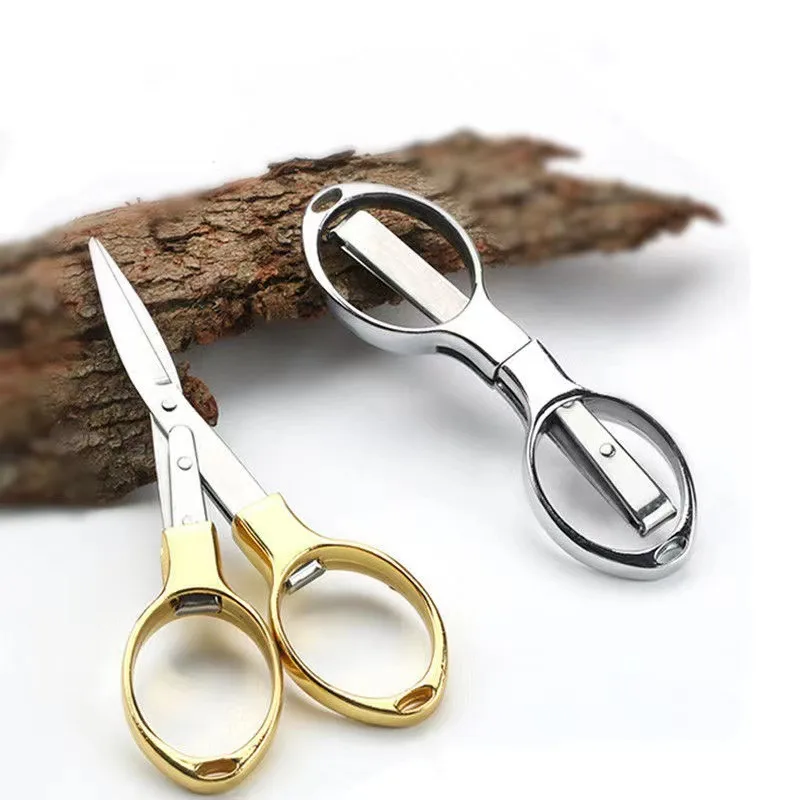
Folding multi-purpose scissors in stainless steel live in a pocket or a tool roll, and high-carbon industrial shears cut heavier sheet and fabric where a light scissor would fold. General-purpose scissors cover the bench jobs, medical-style scissors are the pattern to reach for when you need to cut close to a surface or a patient, and their angled blades also suit cutting cable ties and heat-shrink. Match the shear to the thickness: cutting material heavier than the tool is rated for spreads the blades and ruins the edge.
Sharp, clean, and stored properly
A dull blade is more dangerous than a sharp one, because it needs more force and it slips when the material gives way. Sharpen a straight blade on a stone at the existing angle, keep a curved blade touched up with a round file, and replace blades rather than forcing a blunt edge through material. Keep knives dry, because rust blunts an edge faster than use does, and store them with the blade closed, sheathed or on a rack rather than loose in a drawer. For cable work, keep a dedicated knife that never touches anything harder than insulation, so its edge stays intact.
Blades, replacement and sharps
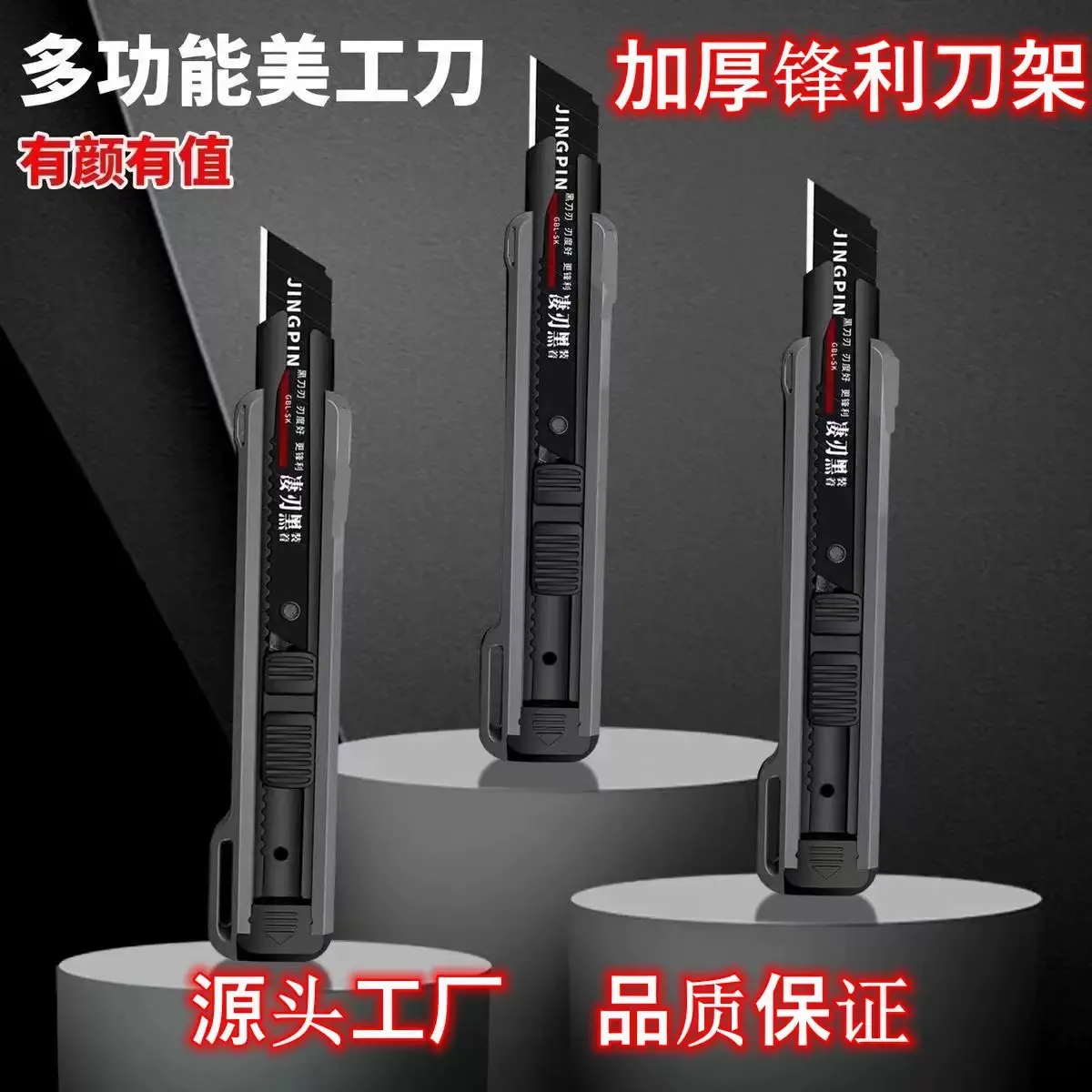
A replaceable blade is the answer where the material blunts an edge quickly: cardboard, gypsum board and glass fibre all destroy a keen edge in minutes, and resharpening is not worth the time. Learn to change the blade with the tool closed or the holder locked, and put the used blade straight into a rigid container rather than a bin bag. Fixed and folding blades need a stone and a strop to stay useful, and a blade that will not shave a fingernail is not sharp enough to be safe. Keep knives dry and lightly oiled, because a rusty edge is a blunt edge.
Frequently asked questions
What is the best knife for cutting cardboard and strapping?
A folding knife with a straight or slightly curved blade, or a knife with a replaceable blade if you cut a lot of abrasive material.
Are folding knives safe?
They are safe when the lock engages fully and the blade has no play. Check the lock before every use, and never rely on friction to hold a blade open.
Can I use a putty knife as a chisel or scraper?
For spreading filler and light scraping, yes. For levering or cutting, no: the blade is thin and will bend permanently.
How do I stop cutting myself when stripping cable?
Cut away from the hand holding the cable, use a short blade set to a shallow depth, and rotate the cable rather than pushing the knife through it.
Which scissors cut sheet metal?
None. Sheet metal needs tin snips or a shear rated for metal. Workshop scissors cut fabric, card, cable ties and thin plastic.
Where to start
Browse the full Hand Tools range, or the wider Hand Tools category if you also need saws, files or measuring tools. Tell us what you cut and how often, and we will point you at the blade shape and handle that fit.