Blog
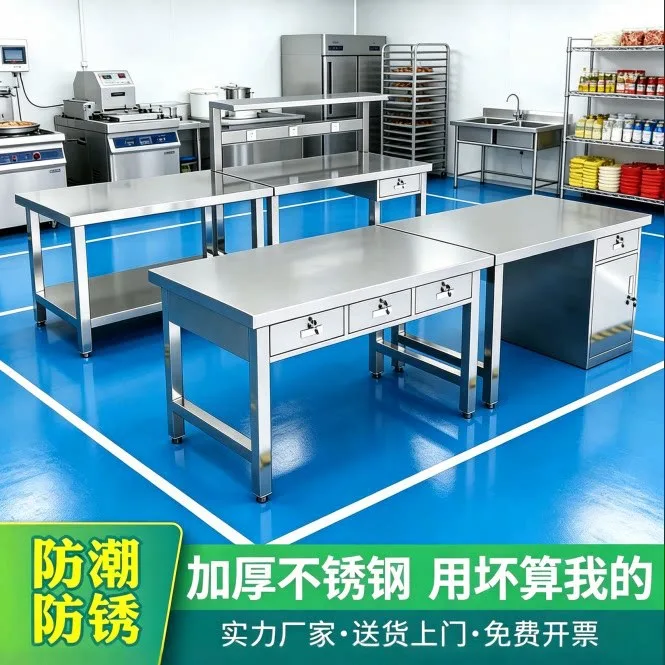
304 Stainless Steel Workbench: A Practical Checklist for Trade Buyers

Two people can buy the same item at the same price and get very different results, because one matched it to the job and the other bought on the headline figure. The difference is only ever in the detail.
The listing below covers 16 options priced between $79.84 and $207.58. Because each option carries its own price, the difference between them is a real difference in specification rather than a bundle of extras.
The range at a glance
The table below puts the whole listing on one screen: how many options there are, what the price band is and how far the sizes or capacities actually span.
| Item | This listing | What it tells you |
|---|---|---|
| Options available | 16 options | Each option is priced separately |
| Price band | $79.84 to $207.58 | The step between options is the specification change |
| Size or capacity span | Not set by size | The choice is by material and finish rather than size |
| Units used in the options | Mixed | The units you will be comparing against the job |
| Format | Variable product | How the options are structured on the site |
Sizing it to the job
The three dimensions below are the ones that change the result. Two of them can be measured from the work itself; the third is a judgement about how the item will be used.
| Dimension | What it decides | How to choose |
|---|---|---|
| Rated load | How much the unit carries, per level or per platform | Sized to the heaviest single load, with margin |
| Footprint and height | How many fit, and where they stand | Measured against the aisle and the doorway |
| Material and finish | Corrosion resistance and impact strength | Galvanised or stainless for wash-down areas |
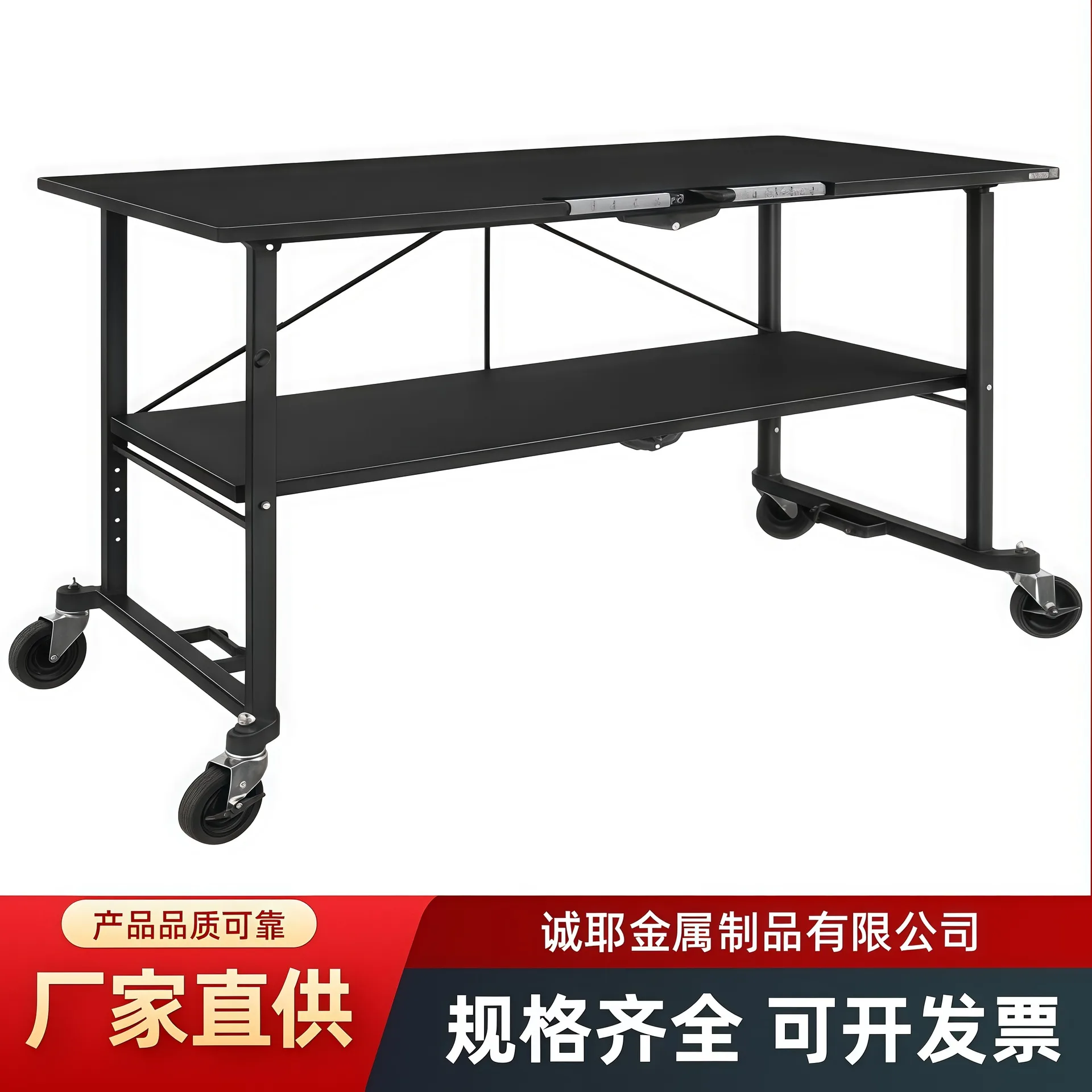
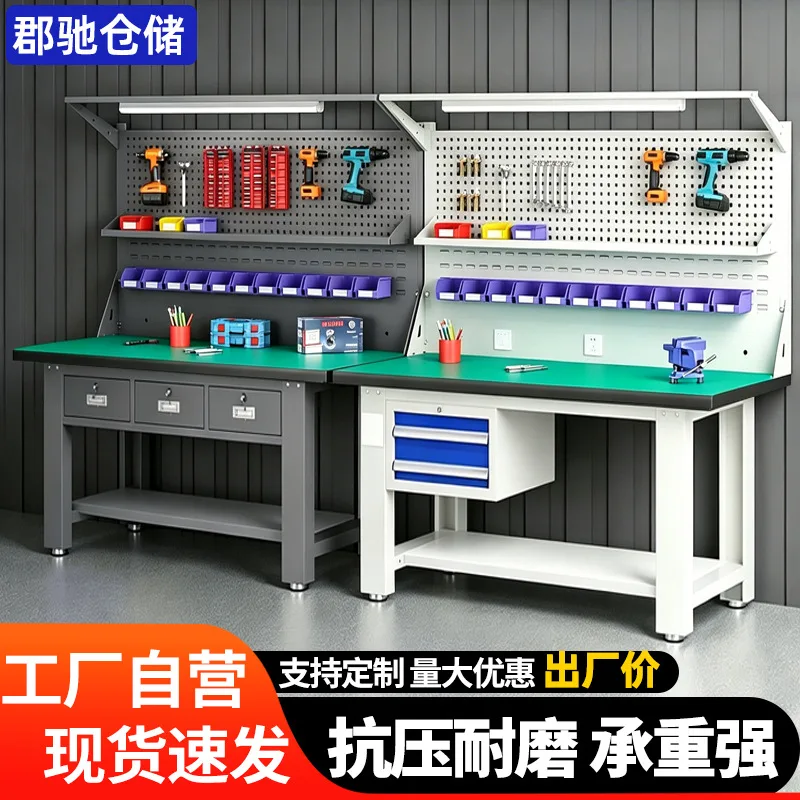
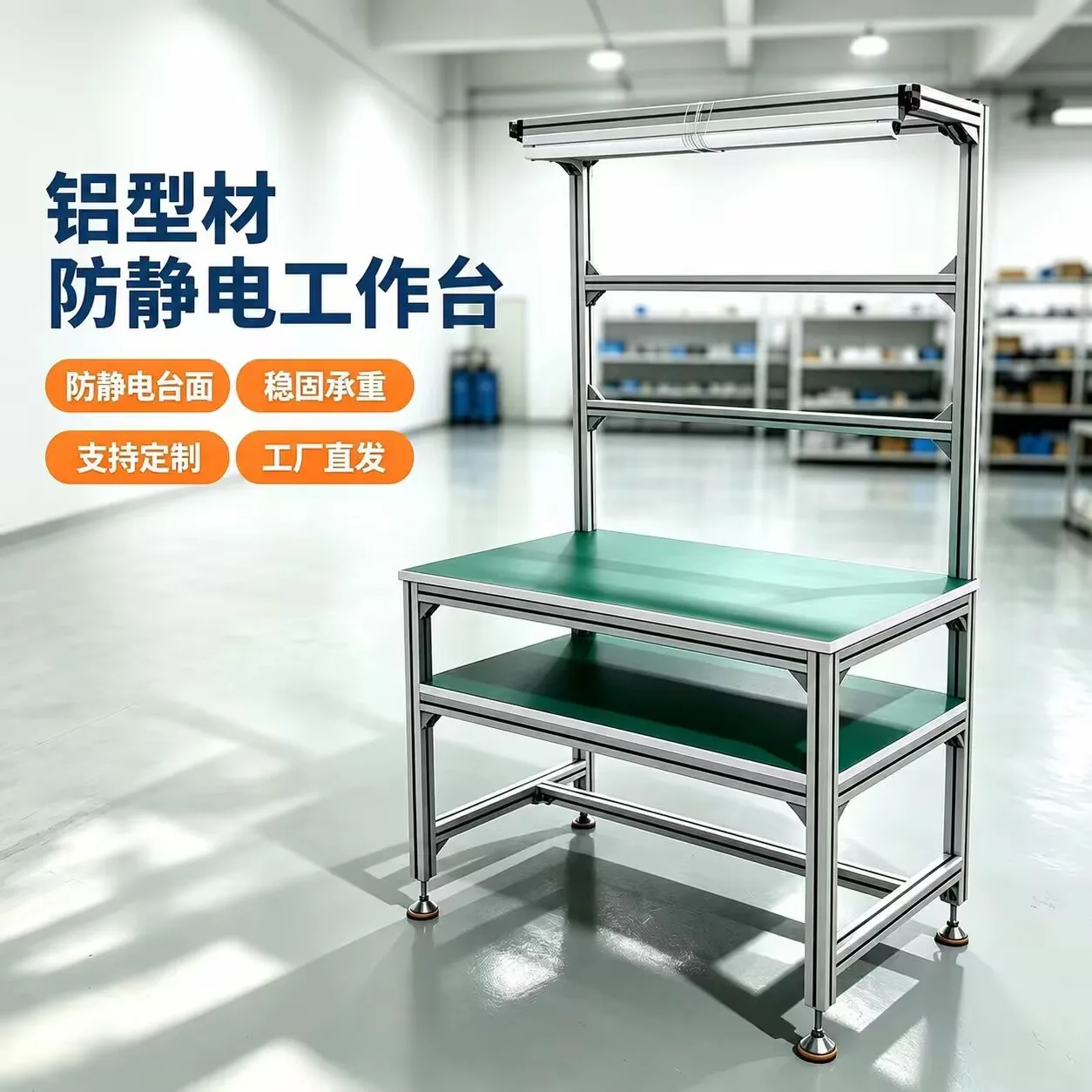
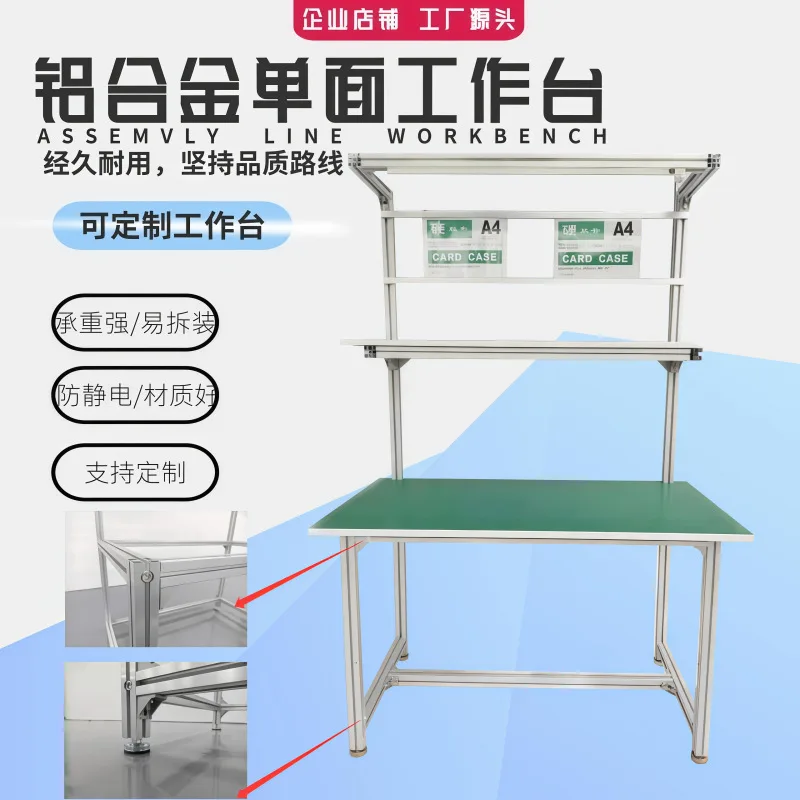
The 304 Stainless Steel Workbench listing
The listing below is the one described above, with the options and prices as they stand today.
What to check when it arrives
Most of what goes wrong after delivery is visible in the first few minutes, which is why the checks below are worth doing before the item goes into service.
| Check | Why it matters | What good looks like |
|---|---|---|
| Load plate is legible | The rating is the legal and practical limit | A marked figure per level or per unit |
| Frame arrives square and undamaged | A bent upright or leg cannot be straightened safely | Straight members, no impact marks |
| Fixings suit the floor | Anchors into the wrong substrate grip nothing | Fixings matched to the floor type |
| Wheels and bearings suit the surface | The wrong wheel is the commonest complaint | Soft or large wheels for rough or coated floors |
| Height clears the lights and doors | A unit that blocks the aisle gets hit | Measured clearance on the whole route |
| Spare levels or panels are available | Ranges are extended, rarely replaced | Parts and add-ons still sold |
Where these go wrong
The problems below account for most of the complaints in this category, and nearly all of them have a cause that can be corrected without replacing anything.
| Symptom | Likely cause | What to do |
|---|---|---|
| Unit rocks or drifts under load | Unlevel floor or missing anchors | Level the feet, then anchor if the maker calls for it |
| Wheels flat-spot or mark the floor | Wrong tread for the surface or overloaded | Change the tread before the floor is marked |
| Upright bent after an impact | Impact damage that was not reported | Replace the member; straightening voids the rating |
| Load settles or sags in the middle | The level is loaded above its even-load rating | Redistribute the load or add a level support |
Storage and handling in practice
Storage and handling equipment succeeds quietly. When it is right, nothing is heard from it for years; when it is wrong, the failure is sudden and it usually involves something falling.
Every unit here has one figure that governs everything else: the load it is rated to carry. Footprint and height then decide how many units fit and where they can go, and the rating is what keeps them upright.
The structure is only half the installation. The floor, the anchors and the load path into the building carry the same weight as the rack, the cart or the platform above them, and they are the part people forget.
Ordering for a team or a season
Past a single unit the question stops being which option and becomes how many, and the answer comes from consumption rather than from the price list.
Quoting works on quantity, so it pays to give the number required and the date it is needed together instead of asking for a unit figure and negotiating afterwards.
Frequently Asked Questions
The answers below cover the questions that decide most orders in this range.
What does the load rating actually cover?
It covers the unit loaded evenly within its stated figure, in normal use on a level floor. A single heavy item in one place, or a load shifted while the unit moves, transfers far more force than the rating implies.
Can I extend a range later?
On most shelving and racking systems yes, within the capacity of the upright or frame. Adding a level lowers the rating of everything below it, so the figure on the plate is the one to work from.
Does the wheel size matter that much?
It decides how the unit behaves over thresholds, cables and rough concrete. Larger, softer wheels roll easily and protect the floor; small hard wheels are quicker on smooth surfaces and punish everything else.
Fixed, nesting or folding?
Fixed units are cheapest and strongest, nesting units save floor space when empty, and folding units suit a fleet that travels. Choose from how the unit is stored, not from how it is used.
How do I choose between the options?
Start from the heaviest single load and the space it has to fit, then take the option that covers both with a little in hand. Buying above that buys capacity the site will never use.
Keeping it working
Clean, check, store. Those three habits cover nearly everything that shortens the life of this equipment.
- Check for impact damage after every busy week, not at the annual inspection.
- Re-tighten clips, bolts and beam locks to the maker’s schedule.
- Keep goods off the floor so the bottom member stays dry.
- Clean and lubricate wheel axles before grit locks a wheel.
- Report every knock, even when the member looks straight.
- Keep the load plate readable so the rating can always be checked.
Ordering and what happens next
Ordering is straightforward: each option is priced on its own, so the specification chosen at checkout is the specification delivered.
The 304 Stainless Steel Workbench page carries the current stock and the price of every option in this range.
Damage should be photographed and reported as soon as the parcel is opened, so a replacement can be arranged from that report.
Settle the size from the job, confirm the material and the finish from the environment, and the rest of the decision follows without argument.