Blog
Mobile Instrument Trolley Cart: Choosing the Right Option


This guide answers the questions that come up before the money is spent on mobile instrument trolley cart: what the figures mean, which option covers the work, and what to look at once the parcel is open.
There are 23 options in this range, running from $110.77 at the entry point to $333.57 at the top. Reading the option ladder before deciding is what keeps the purchase to one order.
The range at a glance
Before the detail, it is worth seeing the shape of the range. The figures below come from the listing itself rather than from a summary written alongside it.
| Item | This listing | What it tells you |
|---|---|---|
| Options available | 23 options | Each option is priced separately |
| Price band | $110.77 to $333.57 | The step between options is the specification change |
| Size or capacity span | Not set by size | The choice is by material and finish rather than size |
| Units used in the options | Mixed | The units you will be comparing against the job |
| Format | Variable product | How the options are structured on the site |
Sizing it to the job
Work through these in order. Changing a decision later usually means changing the order, which is why the dimensions are worth settling before anything else.
| Dimension | What it decides | How to choose |
|---|---|---|
| Working load limit | The rated safe load, already divided by a safety factor | Sized to the heaviest single lift |
| Reach and configuration | What the gear can get around and at what angle | Judged on the worst lift, not the usual one |
| Material and finish | Corrosion resistance for the environment | Galvanised or stainless for exposed sites |
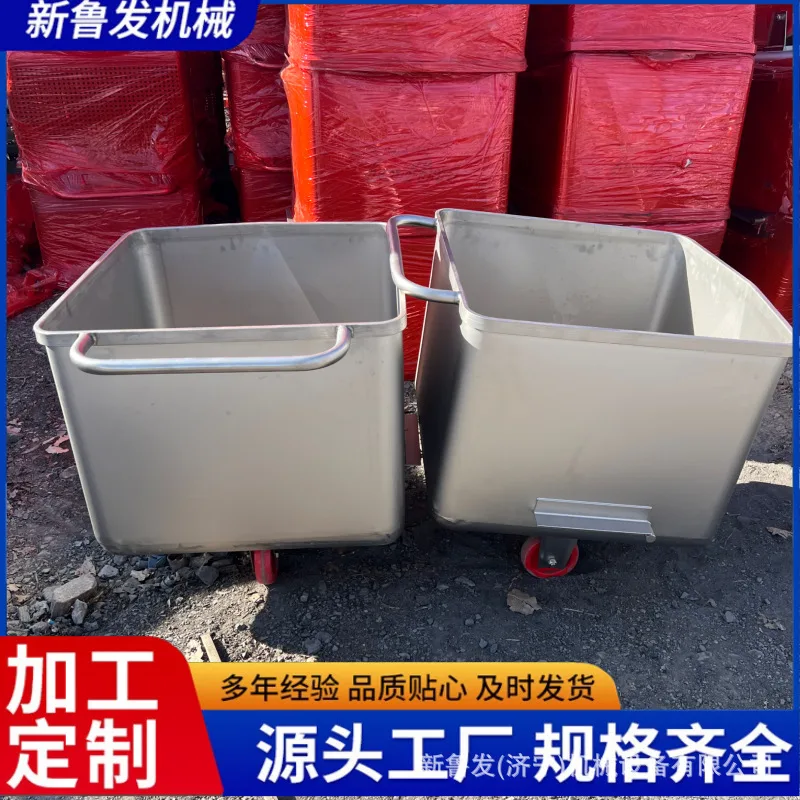
The Mobile Instrument Trolley Cart listing
The item this page is built around is listed below, with its current price and the full set of options.
What to check when it arrives
The table below is the arrival check. It is short, and every row has caught a genuine problem for somebody.
| Check | Why it matters | What good looks like |
|---|---|---|
| Marking is legible and traceable | An unmarked item has no known limit | A stamped or tagged working load |
| Pins, threads and latches are sound | These are where the load concentrates | No galling, cross-threading or bent latches |
| Certificate or test record supplied | It is what makes the rating usable | A traceable record for the item |
| Configuration suits the lift | Angle and slinging method change the load in each leg | Gear matched to the worst configuration |
| Storage keeps gear off the floor | Damp and grit start the wear that matters | A dry, labelled bin or rack |
| Replacements are available | Wear parts decide the service life | Pins, latches and links stocked |
Where these go wrong
Read the symptom first and the cause second. The instinct to add force or buy a replacement is usually the wrong first move.
| Symptom | Likely cause | What to do |
|---|---|---|
| Hook latch will not close | Grit, paint or a bent latch | Clean the latch, straighten or replace it before the lift |
| Thread galls or seizes | Dry threads or a damaged pin | Lubricate with a marine grade grease and replace a damaged pin |
| Chain shows stretch or nicks | Overload or impact damage | Retire the chain; stretched chain has already been overloaded |
| Load tilts as it rises | Sling angles or an off-centre centre of gravity | Re-rig with the load centred and angles within the rating |
Lifting and rigging in practice
Lifting gear is bought against a certificate and kept against a routine. The rating tells you what it will carry; the inspection routine is what keeps that rating meaningful.
The safety factor is already inside the rating. A working load is a fraction of the breaking load, so a rated sling or shackle has its margin built in and adding more on top simply adds weight.
Wear concentrates at the points that move: pins, threads and hook latches. Those are the places to look before every lift, and the places where a replacement part is worth having on the shelf.
Ordering for a team or a season
Past a single unit the question stops being which option and becomes how many, and the answer comes from consumption rather than from the price list.
Quoting works on quantity, so it pays to give the number required and the date it is needed together instead of asking for a unit figure and negotiating afterwards.
Frequently Asked Questions
These are the questions that come up before an order is placed on Mobile Instrument Trolley Cart.
What is the difference between working load and breaking load?
The breaking load is where the item fails in a test. The working load is that figure divided by a safety factor, commonly four or five to one, and it is the only figure that applies in use.
How often should lifting gear be inspected?
A visual check before each use, and a formal recorded inspection on the cycle your jurisdiction or insurer requires, commonly every six months for gear in regular service.
Can I use unmarked hardware for lifting?
No. Without a marked working load there is no known limit, and the item belongs in holding or static work rather than over people.
Does the sling angle change the load?
It does, and sharply. As the legs move away from vertical the tension in each leg rises, so a lift that is comfortable at a narrow angle can overload the same gear at a wide one.
What wears out first?
Pins, threads, latches and the chain or rope at the point where it bends. Keeping spares of those items is what keeps the gear in service rather than in a cupboard.
Keeping it working
Upkeep here is measured in minutes, but it is what decides whether the item is still in use in five years.
- Inspect before every lift and record a formal inspection on a fixed cycle.
- Oil the load-bearing points, never the brake, on a chain block.
- Store with the chain slack and the hook clear of the floor.
- Wash salt and slurry off hardware, including crevices.
- Never weld, re-plate or straighten a rated component.
- Keep fittings in labelled bins by size so the wrong one is never fitted.
Ordering and what happens next
Because the options are priced individually, it is possible to order exactly the specification required rather than the nearest bundle.
The Mobile Instrument Trolley Cart page carries the current stock and the price of every option in this range.
If the choice comes down to two options, take the larger only where the work is likely to grow; otherwise take the smaller and put the difference into consumables.
The practical method is to write down the two or three figures that matter, hold them against the option list, and ignore everything else on the page.