Blog
Compact Tool Boxes with a Lock: Sizing and Daily Use


A lock on a tool box is not really about theft. It is about the latch staying shut while the box is in a vehicle, on a quad bike or in a boat, and about nobody opening the box without meaning to. A box that comes open in transit spills a whole kit and damages the tools inside it.
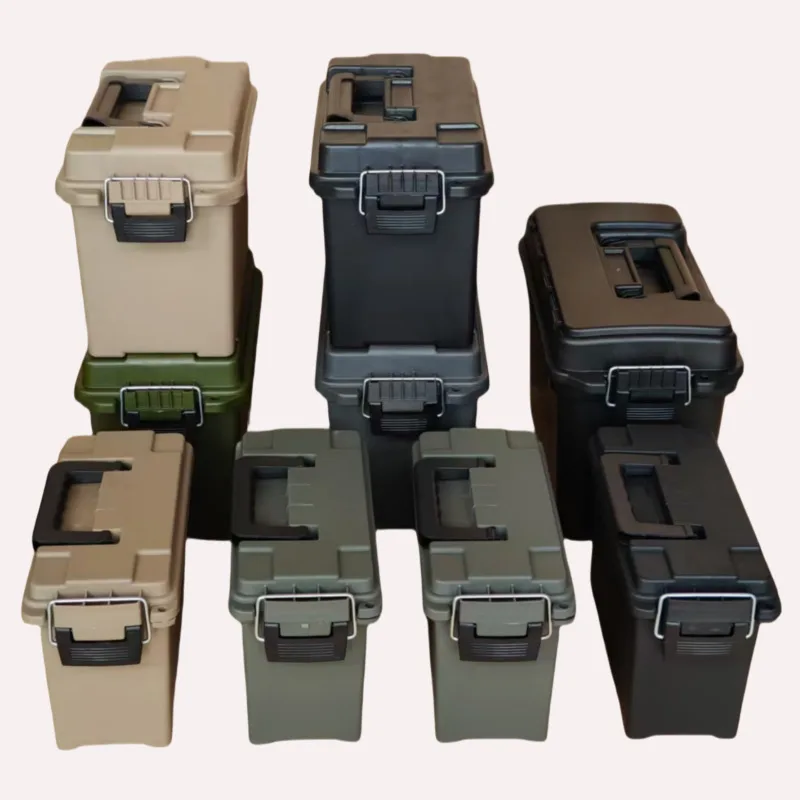
This compact box has an impact-resistant shell and a locking catch, and it costs 11.38 dollars. This guide covers what a box this size holds, how a locking catch differs from a plain one, and which jobs suit a compact locked box rather than a larger plain one.
What a locking catch does
A locking catch adds a secondary action to the latch. Instead of simply snapping shut, the catch has to be released deliberately, which stops the box opening from a knock, a vibration or a strap pressing on the lid.
| Latch type | Behaviour | Best for |
|---|---|---|
| Plain snap latch | Opens with a pull | Bench use, quick access |
| Locking catch | Needs a deliberate release | Vehicles, boats, outdoor use |
| Padlock eye | Accepts a padlock or tie | Shared workshops, transit |
| Two-stage catch | Holds even when not fully closed | Rough handling |
The trade-off is speed. A locking catch takes an extra moment to open, so a box used on a bench all day is better served by a plain latch. The lock earns its place where the box travels and where its contents matter more than a second of time.
What a compact box holds
Compact means a working kit rather than a collection, and this box is aimed at small kits, outdoor gear and vehicle storage. It takes what one job needs and no more.
| Contents | Fits? | Note |
|---|---|---|
| Screwdrivers and a driver | Yes | Upright if the box is deep enough |
| Pliers and a cutter | Yes | Lay along the base |
| Small spanner set | Yes | Weight stays manageable |
| Torch, gloves, small tools | Yes | A vehicle kit |
| Hunting or shooting accessories | Yes | Impact-resistant shell helps |
| Full trade kit with a saw | No | Needs a larger box |
The impact-resistant shell matters most for the contents people care about: optics, a torch, a phone in a case, or tools with a fine finish. In a compact box those items are usually laid on top of the heavier tools, where a knock from the lid would otherwise reach them.
Compact tool boxes with a lock in this range
Every option in this range
One size, one build: a compact impact-resistant plastic box with a locking catch and a folding handle.
| Option | Detail | Price |
|---|---|---|
| Compact box | Locking catch, impact-resistant shell, folding handle | $11.38 |
Because the specification is fixed, the choice is about the size and the job. This is the box for a small kit that travels, not the box for a workshop full of tools, and buying it for the wrong job is the most common mistake with compact boxes.
Using a compact locked box well
- Load the heavy tools first and lay lighter items on top of them.
- Check the catch is fully engaged after closing, since a partly closed lock is no lock.
- Do not force the catch if the lid is under pressure from the contents.
- Keep the shell away from solvent spills, which dull and weaken some mouldings.
- Dry the box after outdoor use so the catch does not corrode.
- Label the box so it is not opened to find out what is inside.
What suits a locked compact box
Compact locked boxes are bought for three kinds of kit: a vehicle kit that has to stay put, an outdoor kit that has to survive being carried, and a small trade kit for one specific job. Each is small enough that the box is lifted with one hand and put down where the work is.
| Kit | Typical contents | Why the lock helps |
|---|---|---|
| Vehicle kit | Torch, gloves, jump leads, basic tools | Stays shut over rough ground |
| Outdoor kit | Optics, torch, knife, first aid | Protected from knocks and rain |
| Trade kit | The tools for one specific job | Nothing is lost between sites |
| Hobby kit | Small tools and parts | Contents do not scatter in a bag |
A vehicle kit is the clearest case for a lock. A box rolling around in a boot or a truck bed is opened by every bump unless the catch needs a deliberate release, and a box that has spilled once will be emptied and left behind. In that setting the extra second the lock costs is irrelevant.
For an outdoor kit the impact-resistant shell matters as much as the catch, because the box is often strapped to something else rather than carried in a bag. The shell flexing under a strap is what stops it cracking, and the catch is what stops the contents spilling if the strap works loose.
Small kits also benefit from a simple divider. A strip of rigid foam or a shallow tub keeps the optics or the torch away from the tools, and separating the two groups is what prevents the finish on the tools marking whatever is stored with them.
A final note on storage: leave the catch released while the box is stored open on a bench, so the lock spring is not held under tension for months at a time.
Frequently Asked Questions
Can the box be padlocked?
Where the catch has an eye, a small padlock or a cable tie can be fitted. The lock in the catch itself keeps the lid shut rather than securing the box against a determined attempt.
Is the shell really impact resistant?
It is moulded to flex rather than crack under knocks, which is what matters for a box that is carried in a vehicle or outdoors.
Will it take a hammer?
A small hammer fits in the base. A full-size one needs a longer box.
Is a locked box slower to use?
Slightly, which is why it suits a travelling kit better than a box that is opened all day on a bench.
Does the handle fold away?
Yes, which keeps the box compact for storage and stops the handle catching in a vehicle.
Choosing a compact locked box
Decide what has to travel, then check the longest item fits laid down and the catch closes without pressure. The compact tool box with lock in this range is built for small kits.
If the kit grows beyond a couple of layers, move up a size rather than pressing the lid down. A locking catch that is forced shut is a catch that will fail, and a failed catch is more expensive than a larger box.