Blog
Double Layer Tool Boxes: Trays, Depth and What Fits


The single most useful feature in a small tool box is a second layer. A tray that lifts out turns one deep space into two organised ones, so screws stop sinking beneath spanners, and the tools that are used most often sit at the level where they can be picked up without emptying the box first.
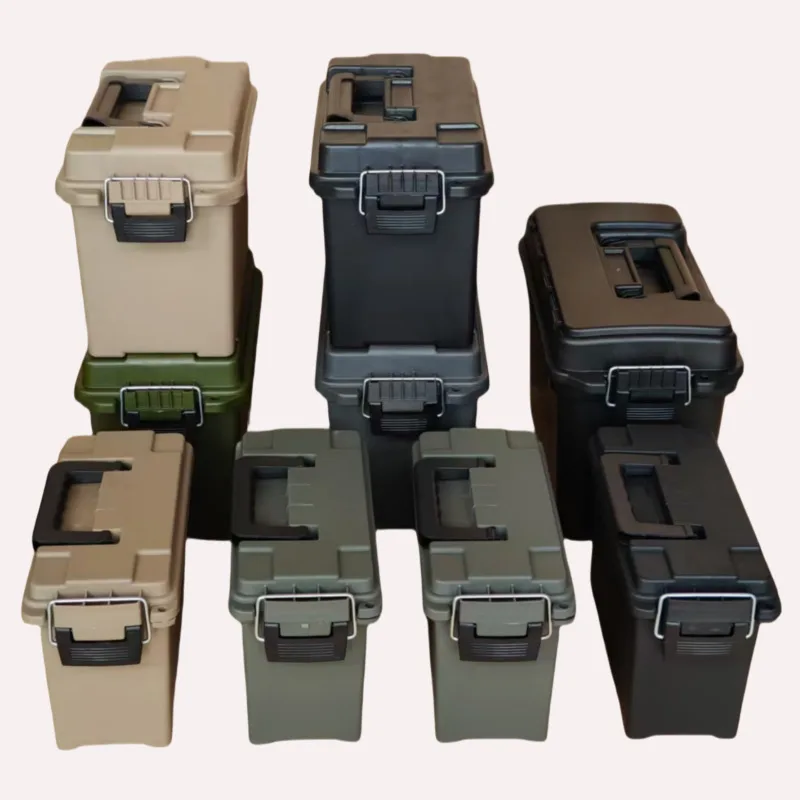
This double layer box uses that idea in a portable format: a bullet case body, a folding handle and a lift-out tray, at 9.93 dollars. This guide explains what the two layers are each good for, what the box holds, and how to keep the layers working as they were designed.
What the two layers are for
A tray is not a lid and it is not a drawer. It sits inside the box and rests on rails, and it works because the things people reach for most are small and light, while the things that are heavy and rarely used are large and can sit underneath.
| Layer | What belongs there | Why |
|---|---|---|
| Top tray | Screws, bits, plugs, a small driver | Reached for constantly |
| Under the tray | Spanners, a hammer, pliers | Heavy and used less often |
| Tray wells | Loose small parts | Keeps them from sliding into the base |
| Base corners | Bulkier tools | Space the tray does not use |
The order matters more than it sounds. Put heavy tools in the tray and it bows, then jams when it is lifted out; leave the tray empty and fill the base with small parts and the whole point of the second layer is lost. Loading the box by weight is the habit that makes the format work.
What a box this size holds
A portable double layer box takes a working kit rather than a full collection. Its limits are set by the length of the base and the height of the tray above it.
| Contents | Fits? | Note |
|---|---|---|
| Screwdrivers and a driver | Yes | In the tray or upright in the base |
| Pliers and a cutter | Yes, laid flat | Under the tray along the length |
| Small hammer | Yes | Base, toward one end |
| Assorted fixings | Yes | The reason to buy a tray box |
| Short spanner set | Yes | In the base in size order |
| A hand saw or a large drill | No | Needs a longer, larger box |
The box is at its best as a maintenance kit: the tools for adjusting, tightening and replacing parts, plus the fasteners that go with them. That is a kit where both layers stay in use, which is exactly what the format is made for.
Double layer tool boxes in this range
Every option in this range
One size, one build: a portable bullet case tool box with a lift-out tray and a folding carry handle.
| Option | Detail | Price |
|---|---|---|
| Double layer box | Lift-out tray, folding handle, bullet case body | $9.93 |
At this price the box is an easy second purchase: a kit for the car, a kit for the workshop bench, a kit for a specific machine. Buying two of a box this size is often more useful than buying one large box, because each kit stays complete and can be picked up on its own.
Keeping the layers working
- Never stand on the tray or press down on it to close the lid, as it is not a load-bearing part.
- Keep the tray to small and light items so it lifts out without bowing.
- Lay the heaviest tools along the base, not at one end, so the box lifts level.
- Lift the tray by its handle rather than one edge, so it does not tip contents into the base.
- Wipe the box out occasionally; grit under the tray rails makes it grind.
- Check the folding handle screws once a season and tighten them before they loosen.
Choosing between a tray box and a plain box
The argument for a tray is simple: it puts the parts you touch most at the level of your hand. The argument against it is that a tray takes up volume and, when the load is bulky, becomes something to lift out of the way and put down wherever there is space.
| Kit | Tray box | Plain box |
|---|---|---|
| Lots of small fixings | Best choice | Parts sink to the base |
| A hammer and a few tools | Tray barely used | Simpler and cheaper |
| Mixed maintenance kit | Both layers in use | Contents end up mixed |
| Fishing tackle | Hooks and weights up top | Everything rattles together |
| Bulkier power tool accessories | Tray removed and stored elsewhere | Best choice |
In practice the tray pays for itself in the kits where small parts outnumber large ones. A box of screws, plugs, bits and a driver is easier to use with a tray than without, because the alternative is digging through the base for every fixing. A box holding three spanners and a hammer gains nothing from a second layer at all.
The other consideration is where the tray goes when it is lifted out. On a bench it can be set down beside the box, but on a ladder or under a machine there is often nowhere to put it, and that is when a tray becomes an inconvenience. Thinking through where the box will be opened is the quickest way to decide.
Frequently Asked Questions
Does the tray come out completely?
Yes. Removing the tray turns the box into a single deep space, which is useful when the load is bulky rather than small.
How much weight can the tray take?
Enough for fasteners, bits and hand tools. It is not designed to hold a hammer or a socket set.
Is the box waterproof?
It keeps rain out when closed, but it is not a sealed case. Use a gasketed case for equipment that must stay dry.
Will it take a cordless drill?
A compact drill may fit with the tray removed. Check the internal depth with the battery fitted.
Is this box suitable for fishing tackle?
Yes. The tray takes hooks, weights and swivels above the main load, and the body rinses clean after a trip.
Choosing a tray box
If the kit contains a lot of small parts and a few heavier tools, a double layer box will keep both accessible. The double layer tool box in this range is the portable version of that format.
If almost everything in the kit is large, the tray simply gets in the way and a plain box is easier to use. The tray earns its place when small items are handled often, which is true of most maintenance work.