Blog
Plastering Hawks: Board Size, Handle Weight and Balance

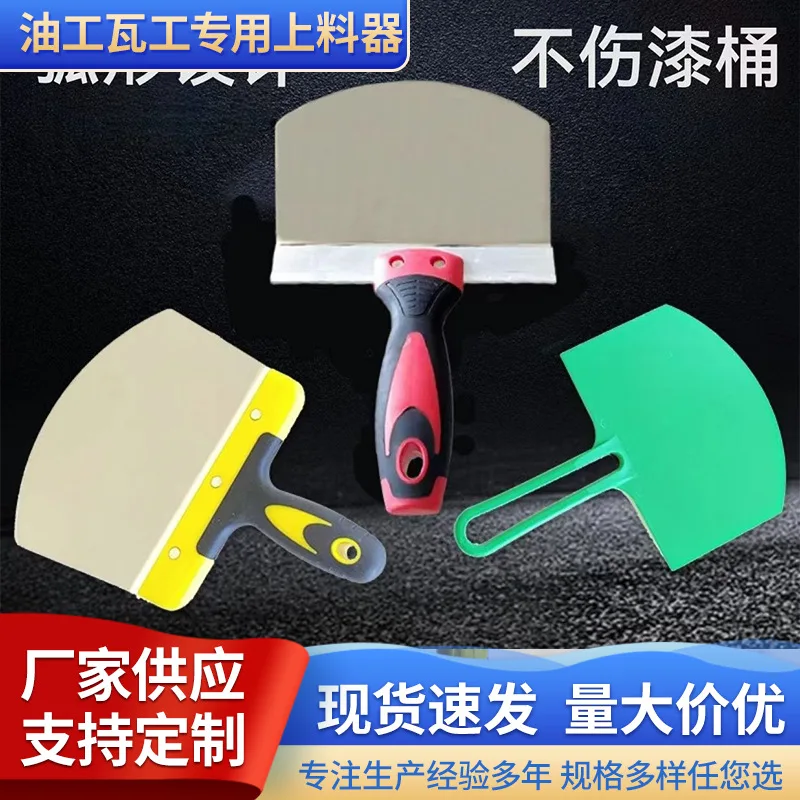
A hawk is a portable shelf. It holds the material while one hand works a trowel, and the whole design is about keeping that shelf steady at the end of an outstretched arm. Board size, handle weight and balance are the three things that decide whether it works.
This range covers stainless steel hawks with a dished board in three builds: a blue plastic handle at 8.99, a large twin-colour version at 10.79 and a large weighted cast iron version at 12.59. This guide explains what each build is for and how to choose.
What the board and the handle do
The board carries the material and the handle carries the board. A light handle makes the hawk easy to lift and tiring to hold steady; a heavier one hangs better on the hand and settles faster, at the cost of more effort to raise.
| Build | Weight in the hand | Best for |
|---|---|---|
| Blue plastic handle | Light | Occasional work and small patch jobs |
| Large, twin-colour handle | Medium | General plastering on walls |
| Large, weighted cast iron | Heavy, hangs steady | Ceilings and long sessions |
The weighted handle is the choice for anyone who spends hours on a hawk. The extra mass at the lower end gives the tool a low centre of gravity, so small movements of the hand do not tip the board and the material stays where it was placed.
Why the board is dished
A dished board holds the mortar in the middle instead of letting it spread to the edges. That is what keeps material from dropping off the front when the hawk is tilted toward the wall, which is the most common way a plasterer loses a load.
| Situation | What helps | Why |
|---|---|---|
| Working overhead | A heavy, stable handle | The board must stay level above the head |
| Long wall runs | A larger board | Fewer trips to the bucket |
| Tight corners | A smaller board | Easier to keep clear of the wall |
| Fast setting material | A clean, dry board | Residue makes material slide |
Board size and handle weight also trade against each other. A large board on a light handle is awkward because the load is far from the hand, while a small board on a heavy handle feels unnecessarily heavy. The builds in this range pair the two sensibly.
Plastering hawks in this range
Every option in this range
Stainless steel hawks with a dished board, in three builds. Prices are per hawk.
| Option | Detail | Price |
|---|---|---|
| Blue plastic handle | Stainless dished board | $8.99 |
| Large, twin-colour handle | Stainless dished board | $10.79 |
| Large, weighted cast iron handle | Stainless dished board | $12.59 |
The three builds differ by under four dollars in total, so the decision is about comfort rather than cost. Anyone working on ceilings all day will recover the difference in the first afternoon; anyone mixing a bag of filler twice a year will not.
Looking after a hawk
- Wipe the board down before the material sets, not after.
- Dry the board after washing so the stainless face does not mark.
- Do not scrape the board with a trowel edge, which leaves grooves that catch material.
- Check the handle fixing occasionally; a loose handle makes the board wobble.
- Store the hawk flat or hanging so the board does not take a set.
- Keep the board out of a bucket of water overnight, which softens some handle fixings.
Working from a hawk without losing material
Handling a hawk is a technique rather than a strength test, and most of the problems people have with the tool come down to how it is held and how much material is loaded onto it.
| Problem | Cause | Fix |
|---|---|---|
| Material sliding off the front | Hawk tilted too far toward the wall | Keep the board level and reach with the trowel |
| Wrist tiring quickly | Handle too light, so the board must be balanced | Use the weighted handle version |
| Dropping the load when turning | Too much on the board | Load less and refill more often |
| Material setting on the board | Left loaded between mixes | Scrape the board clean each time |
| Board wobbling | Loose handle fixing | Tighten or replace the handle fixing |
The single habit that prevents most of these is keeping the board level at all times and reaching for the wall with the trowel instead of tipping the hawk toward the work. It feels slower for the first hour and becomes automatic afterwards, and it is the difference between carrying material and chasing it across the floor.
Loading is the other half. A hawk holds less than people think, and the temptation is to fill it so the trips to the mixing bucket are fewer. The result is a board that has to be held at an angle to stop the material running off, which is exactly the position that spills it. Loading half and going back sooner is faster overall.
For beginners, a hawk is easier to learn on a wall than on a ceiling, because the board stays below eye level and the material is helped by gravity rather than fighting it. Once the movement is familiar the same technique transfers overhead, where the heavier handle starts to matter most.
One more point on storage: a hawk kept in a van should be laid flat rather than hung by the handle, because a board left hanging for weeks can take a slight curve that shows up as an uneven spread when it is used again.
Frequently Asked Questions
What size board do I need?
A mid-size board covers most wall work. Very large boards suit long runs, and small ones suit patches and corners.
Is a weighted handle worth it?
On ceilings and long sessions, yes. The weight settles the board so it needs less correction from the wrist.
Can a hawk be used for rendering?
Yes, and the heavier handle helps because render is denser than finishing plaster and the load is harder to hold steady.
Does the board have to be stainless?
Stainless resists the corrosion that damp material causes overnight. A plain steel board needs drying after every use.
How is a hawk carried?
By the handle, with the board flat. Carrying it upright invites the material to slide off.
Choosing the right hawk
Think about how long the hawk will be held rather than how much it costs. The plastering hawk range here covers light, medium and heavy builds.
For occasional work the light plastic-handled version is enough, and it is easier to pack away. For anyone plastering regularly, the weighted handle is the version that reduces fatigue over a day.