Blog
Crimping Pliers: Matching the Jaw Profile to the Terminal

Crimping tools are sold by the shape of the jaw, and the jaw is what decides whether a joint holds. The same force applied through the wrong profile produces a joint that looks neat and pulls apart under load, which is the failure mode that reaches a customer rather than a workshop. There are three jaw families in common use, and knowing which one belongs to the terminals on your bench removes almost all of the risk.
Why the profile matters more than the force
A crimp works by cold-forming the metal barrel of the terminal around the conductor. The barrel and the stranded conductor are both deformed into a shape that grips mechanically, with the joint carrying current through the contact between them. The profile of the jaw determines where the metal is pushed, how much of the barrel is formed, and whether the insulation sleeve survives.
| What goes wrong | Cause | Result |
|---|---|---|
| Barrel only dented on one side | Profile too narrow for the terminal | Weak joint that works loose |
| Insulation sleeve split | Jaw compressing the sleeve, not the barrel | Exposed conductor and a rejected joint |
| Conductor strands cut | Excessive closure, wrong barrel size | Reduced current capacity at the joint |
| Neat-looking joint that pulls out | Wrong profile family for the terminal | Intermittent fault later |
The lesson is that crimping is a forming operation, not a squeezing contest. More force through the wrong profile produces a worse joint, not a better one, and often damages the terminal in the process.
The three jaw families
Insulated terminals — the coloured plastic-sleeved type used in automotive and general wiring — need a jaw with two working zones: one that crimps the metal barrel and one that closes the insulation sleeve without cutting it. Ferrule crimping for panel wiring needs a profile that forms the ferrule into a square or hexagonal section so the whole barrel grips the conductor. Non-insulated and ignition terminals need a narrower jaw that bites only the bare metal barrel, often in two stages.
| Jaw family | Belongs with | Forms the barrel into | Watch for |
|---|---|---|---|
| Insulated terminal jaws | Coloured sleeved terminals and butt connectors | A formed barrel plus a closed sleeve | Sleeve splitting and over-crimping |
| Ferrule jaws | Bootlace ferrules in panel wiring | A square or hex section | Ferrules too large for the jaw range |
| Non-insulated jaws | Bare metal terminals and ignition fittings | A double bite on bare metal | Cut strands from too much closure |
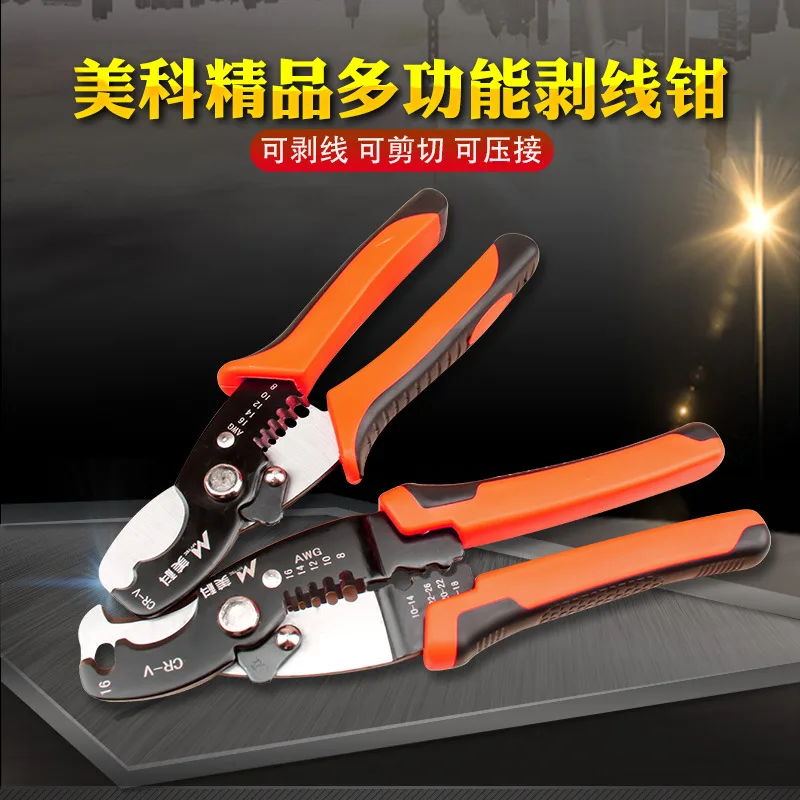
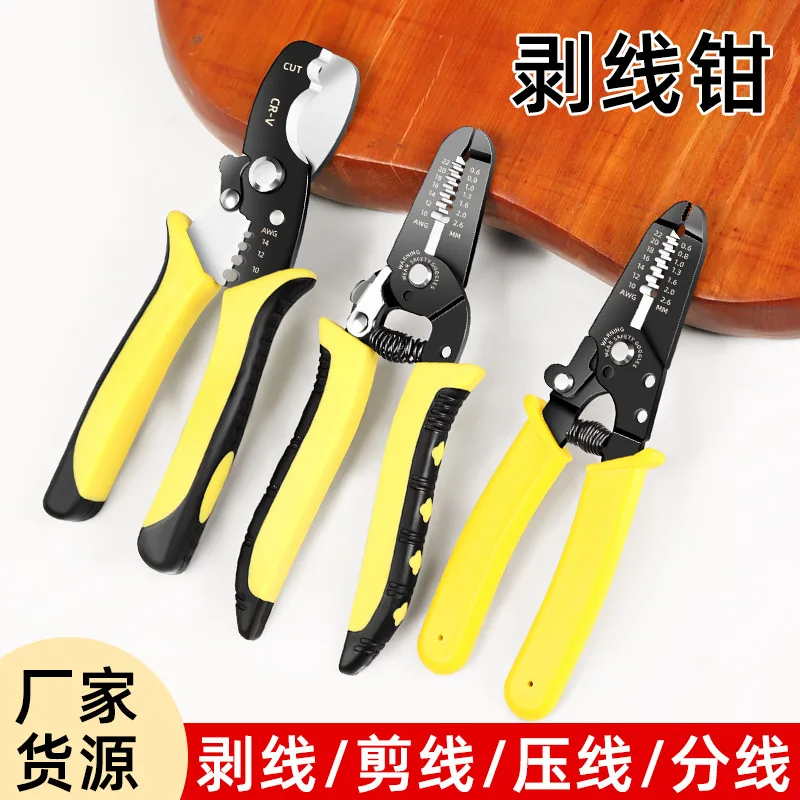
Where a tool is described as multi-function, the jaw usually carries all three profiles at different points along its length. That is genuinely useful in a service bag, but each profile still has to be matched to the right terminal — the extra jaws do not make the profiles interchangeable.
Matching the tool to the terminals you buy
The efficient approach is to decide the terminals first and buy the tool to suit, rather than the other way round. Counting the terminal types in a typical job is a quick way to decide whether one profile is enough or whether a multi-function jaw earns its place. Where the work is repetitive and one terminal type dominates, a dedicated tool almost always produces more consistent joints than an all-in-one.
It is also worth checking the stated size range for each profile. A jaw that is nominally for insulated terminals still has a limited barrel range, and using it on a terminal at the edge of that range produces either an under-formed or an over-crushed joint.
Ratchet crimpers are worth a mention here because they are often assumed to be a separate family. In practice a ratchet is a mechanism rather than a profile: it stops the tool opening before the crimp is complete, which removes the main source of inconsistent joints. If the same terminal type is crimped hundreds of times a week, a ratchet mechanism paired with the correct profile is the most reliable arrangement available.
The crimping pliers in this range
Every option in this range
Three options covering the common jaw families. Prices are per tool.
| Option | Jaw family | Format | Best for | Price |
|---|---|---|---|---|
| Standard crimper | Insulated terminal profile | Single profile | Everyday automotive and general wiring | $8.99 |
| Crimper, alternate profile | Insulated and non-insulated | Two working zones | Mixed terminal types | $10.05 |
| Crimper, heavy pattern | Multi-profile | Reinforced jaws | Regular trade use across terminal types | $12.96 |
The step between the standard and the multi-profile tool is small in money terms, and the practical difference is how many terminal families you can handle without a second tool. Where the work is one terminal type, the simple tool is the better choice because there is less to get wrong.
Making the crimp repeatable
- Strip the conductor to fill the barrel without reaching into the sleeve.
- Insert the terminal fully into the correct jaw position before closing.
- Close the tool completely. A partial closure is the most common cause of a joint that fails a pull test.
- Do not re-crimp a joint that looks imperfect; cut it off and start again with a fresh terminal.
- Check the first joint of a batch by pulling on it before running the rest.
- Keep the jaw profiles free of metal swarf, which deforms the crimp form over time.
Frequently Asked Questions
Can I crimp insulated terminals with a non-insulated jaw?
You can close the tool, but the joint will not be properly formed and the sleeve is likely to be cut or crushed. The two profiles deform the barrel differently.
What is the difference between crimping and soldering a terminal?
A crimp forms a mechanical joint with a defined shape that withstands vibration. Soldering wicks into the strands and creates a rigid point that can crack, which is why crimping is standard in automotive and panel work.
Do multi-function crimpers do a good job?
Yes, provided the profile matches the terminal. They are a sensible choice where the work covers several terminal families and the tool is used regularly.
How do I know a crimp is good?
Look for a formed barrel with no cut strands, an intact sleeve, and no gaps between the conductor and the barrel. Then pull it — a good joint holds firm.
Why does the sleeve split when I crimp?
The tool is closing on the sleeve rather than the metal barrel, or the barrel is at the small end of the jaw range. Move the terminal deeper into the jaw.
Choosing the right jaw
Identify your terminals, choose the jaw family that forms those barrels, and buy the simplest tool that covers the types you actually use. Then close it fully every time and check the first joint of a batch. The crimping pliers range covers the standard insulated-terminal profile through to a multi-profile trade tool, which is enough to cover general wiring work without buying a drawer full of specialist tools.