Blog
Flat Metal Files: Lengths, Cuts and Which One to Reach For

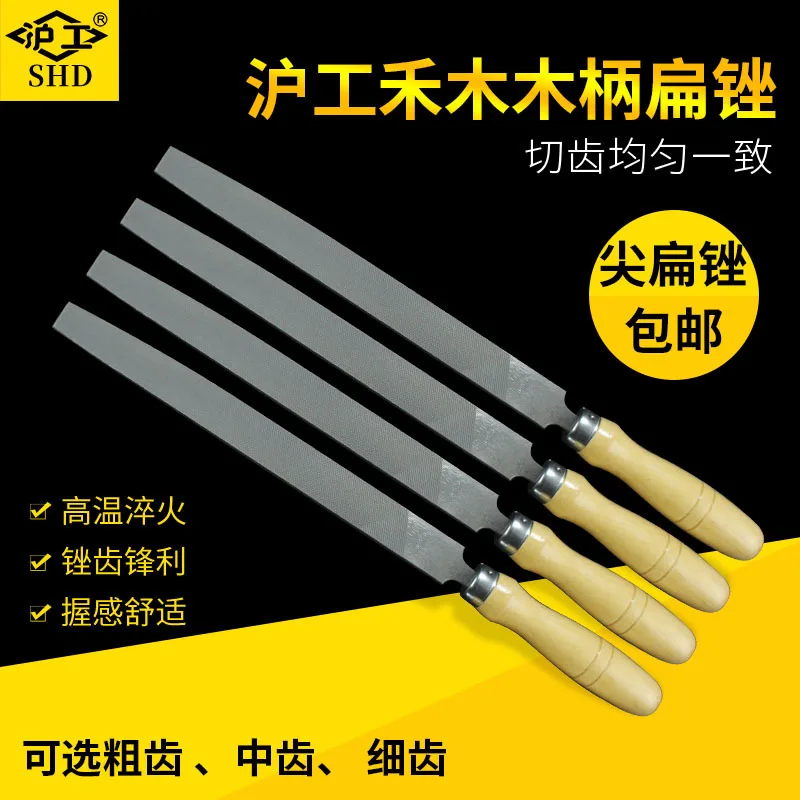
A file is a cutting tool with thousands of small teeth, and it wears out like any other. Understanding length and cut is what stops a workshop accumulating files that all do the same job badly.
This range covers flat files in 6, 8, 10, 12, 14, 16 and 18 inch lengths in coarse, medium and fine cuts, plus blunt flat types, from 8.99 dollars. This guide explains what length and cut actually change.
What length and cut decide
Length sets the size of the work and the control available; cut sets how much material comes off with each stroke. Getting the pair right is what makes filing fast rather than laborious.
| Length | Typical use | Control |
|---|---|---|
| 6 to 8 in | Small parts, sharpening, deburring | Highest control |
| 10 to 12 in | General fitting and repair | Balanced |
| 14 to 16 in | Larger work and long edges | Efficient on flat surfaces |
| 18 in | Heavy work and wide surfaces | Harder to keep flat |
Cut is the coarser decision. A coarse file removes material quickly and leaves a rough surface; a fine file removes very little and leaves something close to finished. Working through the cuts is far faster than starting with a fine file and pressing harder.
| Cut | Material removed | Leaves |
|---|---|---|
| Coarse | Fast | A rough, ridged surface |
| Medium | Moderate | A workable surface for finishing |
| Fine | Slow | A surface ready for a polish |
| Blunt flat | Fast, on flat work | Flat surfaces needing less control |
The blunt flat file is the one people overlook. With cutting faces on both sides and no taper, it keeps flat surfaces flat, which is what matters when fitting a machined part or dressing a joint.
Flat metal files in this range
Every option in this range
Flat files in coarse, medium and fine cuts, from 150 mm to 450 mm, including blunt flat types for metal finishing. Prices are per file.
| Option | Detail | Price |
|---|---|---|
| 6 in, 150 mm | Coarse, medium or fine cut | $8.99 to $9.99 |
| 8 in, 200 mm | Coarse, medium or fine cut | $9.99 to $10.99 |
| 10 in, 250 mm | Coarse, medium or fine cut | $11.99 to $12.99 |
| 12 in, 300 mm | Coarse, medium or fine cut | $12.99 to $13.99 |
| 14 in, 350 mm | Coarse, medium or fine cut | $17.99 to $19.99 |
| 16 in, 400 mm | Blunt flat, medium or fine | $23.99 to $24.99 |
| 18 in, 450 mm | Blunt flat, medium or coarse | $26.99 |
The jump in price above 14 inch reflects the amount of steel involved rather than the cut, so a workshop that needs a long file should expect to pay for it. For most work, 8 to 12 inch files cover the range of jobs.
Making a file last
- File in one direction and lift the file on the return stroke, rather than dragging it back.
- Clean the teeth with a file card regularly; packed swarf stops the cut working.
- Do not store files loose in a drawer where they knock against each other.
- Keep files away from water; rust dulls the teeth faster than use does.
- Use chalk on a fine file when working soft metals to stop clogging.
- Replace a file when it skids rather than cuts, as no amount of pressure restores it.
Where files fit in a workshop
Files do work that no other hand tool does well: shaping a part by small increments, breaking a sharp edge, and fitting a component to a hole. A grinder removes material faster but cannot be controlled to a thousandth of an inch, and a deburring tool only handles one specific edge.
| Job | File that suits it | Why a file rather than a machine |
|---|---|---|
| Deburring a cut edge | 8 in medium | Controlled removal of a fine edge |
| Fitting a key or a bush | 10 to 12 in medium | Gradual fitting with repeated test fits |
| Dressing a welded joint | 12 in coarse, then fine | Follows the contour without gouging |
| Sharpening a mower blade | 10 in medium | Keeps the original angle visible |
| Cleaning up a thread | Small triangular or fine file | Reaches between the threads |
The fitting work is where files are hardest to replace. Material has to come off in tiny amounts until a part seats, and each pass is followed by a test fit, which means the tool has to be removed and replaced dozens of times. A file suits that rhythm; a grinder does not.
Sharpening is the other common use. A file run along a blade removes less material per stroke than a stone or a machine, which makes it much harder to change the angle accidentally and far easier to keep both edges symmetrical.
A practical note on storage: keep files separated in a roll or a rack. Files stored loose in a drawer knock against each other, and a chipped tooth leaves a scratch that has to be polished out of the work.
Two files in different cuts do more than one file used harder. A coarse file to remove the bulk and a medium file to bring the surface back is the pair that keeps filing quick, and it also means the medium file stays sharp for the work it is best at.
Frequently Asked Questions
Which cut should I buy first?
Medium. It removes material at a reasonable rate and leaves a surface that a fine file can finish.
What is a blunt flat file for?
Keeping flat surfaces flat. Without a taper it cuts evenly along its whole length, which matters when fitting machined parts.
Can a file be sharpened?
No. A worn file cannot be restored; the teeth are cut into hardened steel and once they dull the tool is finished.
Do I need a handle?
Yes for safety. A file tang can injure the hand, and a handle also gives more control on long strokes.
What is the difference between a file and a rasp?
A file has fine teeth for metal, a rasp has coarser teeth for wood and soft materials. The profiles look similar but the teeth are quite different.
Choosing files for a workshop
Buy one good medium file in the length that suits the work and add cuts only when a job demands them. The flat metal file range here covers the standard lengths and cuts.
For most workshops, an 8 inch medium, a 12 inch coarse and a 10 inch fine file cover everything from deburring to finishing. Longer blunt files are a specialist purchase for flat work.