Blog
Saw Sharpening Files: Knife and Saw Files from 4 to 8 in

A hand saw with sharp teeth cuts faster than a new one that has been abused, and the difference is one file and twenty minutes. Sharpening is a maintenance job rather than a skill reserved for specialists, and the file is the only tool it needs.
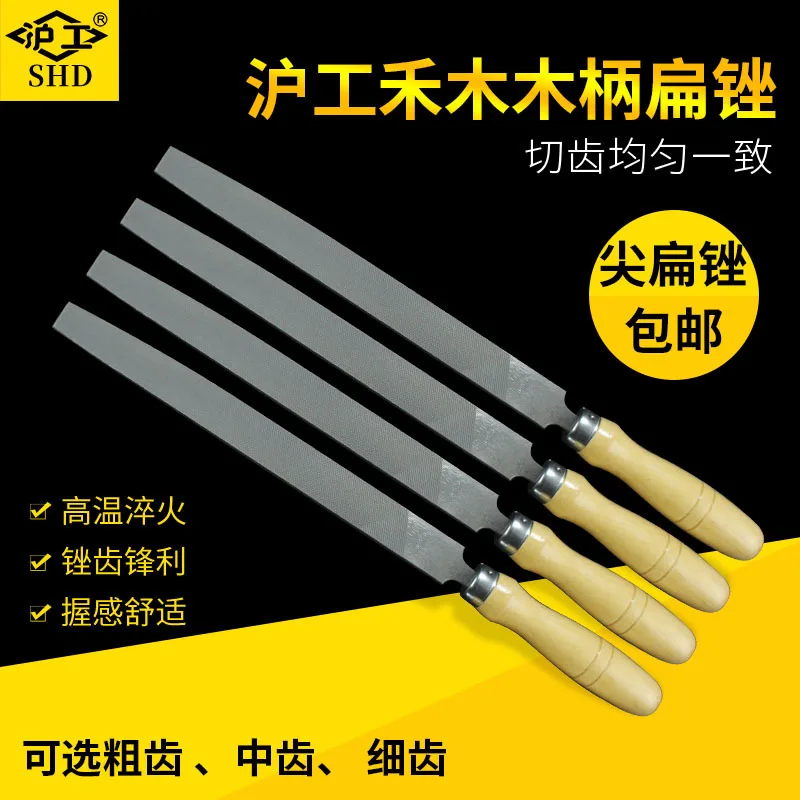
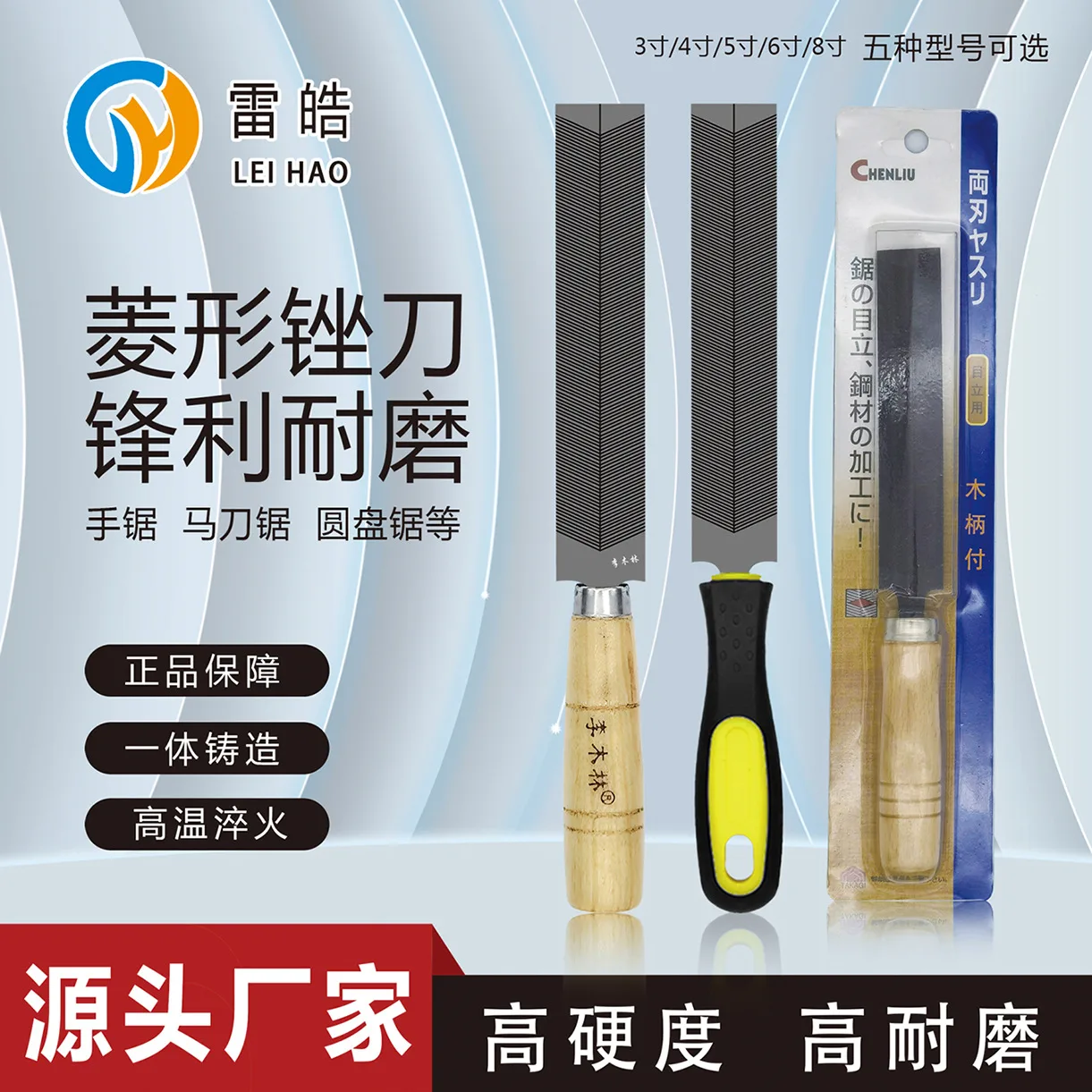
This range covers knife files and saw files from 4 in to 8 in, in standard, upgraded, hardwood handle, Japanese style and professional grades, from 9.99 to 29.99 dollars. This guide explains which profile suits which tooth and how to keep a saw cutting straight.
Which file profile suits which saw
The shape of the file has to match the shape of the gullet between the teeth. A file that is too thin rides in the bottom of the gullet and rounds the tooth; one that is too thick cannot reach the base of the tooth at all.
| File profile | Tooth pattern it suits | Saw type |
|---|---|---|
| Knife file | Sharp-angled gullets | Japanese and pull saws |
| Saw file | Standard gullets | Western hand saws |
| Diamond section | Teeth needing a fine edge | Finer tooth counts |
| Hardwood handle type | General sharpening | Workshop saws of mixed type |
Japanese saws are the case that catches people out. They cut on the pull stroke, the teeth are harder and the gullets are shaped differently, which is why the files sold for them are a different profile rather than simply a different size.
Length, grade and how they are used
Length is chosen by tooth size rather than by saw length. A long file is not better on a fine-toothed saw; it will simply skip over the teeth it is meant to be working on.
| Length | Suitability | Note |
|---|---|---|
| 4 to 5 in | Fine teeth and small saws | Best control in a narrow gullet |
| 6 in | Most hand saws | The common choice |
| 8 in | Coarse teeth and large saws | Faster on heavy tooth counts |
| Standard grade | Occasional sharpening | Good value |
| Upgraded grade | Regular sharpening | Holds its cut longer |
| Professional grade | Daily use | Longest life and finest finish |
Grade is about how long the file keeps cutting, not how well it cuts at first. Someone sharpening a saw twice a year will not notice the difference between standard and professional; a workshop sharpening weekly will.
Saw sharpening files in this range
Every option in this range
Knife files and saw files for hand saws, in several grades and lengths. Prices are per file.
| Option | Detail | Price |
|---|---|---|
| Standard grade saw file, 6 in | Single cut | $9.99 |
| Upgraded grade saw file, 6 in | Single cut | $11.99 |
| Upgraded grade saw file, 8 in | Single cut | $17.99 |
| Professional grade knife file, 4 to 8 in | Knife profile | $25.99 to $28.99 |
| Hardwood handle knife file, 5 to 6 in | Knife profile | $25.99 to $26.99 |
| Japanese style knife file, 4 to 6 in | For pull saws | $27.99 to $29.99 |
The Japanese style files cost the most because they are made to a tighter profile and are used on harder teeth. For western saws, the standard and upgraded grades cover everything a workshop needs.
Sharpening a saw without ruining it
- Support the saw in a vice or a saw clamp so the blade cannot flex while filing.
- Count the strokes per tooth and keep the count the same along the blade.
- File in one direction only, lifting the file on the return stroke.
- Check the tooth height with a straightedge as the work progresses.
- Mark the first tooth filed so the sequence does not get lost.
- Keep the file clean and store it separately from other tools.
What changes a saw from sharp to unusable
Teeth do not wear evenly. A saw used on the same kind of timber tends to dull in the middle of the blade, where most of the cutting happens, and the ends stay sharp. That is why a worn saw often starts fine and then wanders partway through a cut.
| Symptom | Cause | What to do |
|---|---|---|
| Cut wanders to one side | Teeth on one side duller or over-set | Sharpen the full length evenly |
| Saw needs more pressure | Teeth rounded rather than cutting | Light sharpening with a fine file |
| Saw binds in the cut | Loss of set | Restore set, then sharpen |
| Rough cut surface | Uneven tooth heights | File until all teeth are level |
| Teeth tear the fibres | Tooth count too coarse for the work | Use a finer saw, not more pressure |
Even tooth height is the goal of any sharpening session, and it is checked with a straightedge laid across the teeth. A saw with teeth of differing heights cuts with only the tallest, which is why it feels slow however much pressure is applied.
Restoring set is a separate job from sharpening and only needed when the saw binds. Bending the teeth outward slightly widens the kerf, and once that is done the teeth need filing again, so the two operations are usually done together rather than separately.
A last point worth knowing: sharpening is easier on a saw that has been maintained regularly than on one that has been left for years. Two light sessions a season take less time than one restoration, and they keep the tooth line even.
Frequently Asked Questions
How often does a hand saw need sharpening?
When it starts to wander in the cut or needs more pressure than it used to. Regular light sharpening is easier than restoring a badly dulled saw.
Can I sharpen a hardened-tooth saw?
Generally not. Hardened teeth are too hard for a conventional file and are usually replaced rather than sharpened.
What size file suits a tenon saw?
A small knife or saw file in the 4 to 5 in range, since the gullets are narrow and a long file cannot follow them.
Is a Japanese saw file different from a western one?
Yes. Pull saws have different tooth geometry, and the knife profile files sold for them follow the shape of the gullet.
Do I need a saw set as well?
Only if the teeth have lost their set and the saw binds in the cut. Sharpening alone restores most saws.
Keeping a saw cutting straight
Match the file profile to the tooth and the length to the gullet, then work steadily along the blade. The saw sharpening file range here covers knife and saw profiles across the common lengths.
A single 6 in upgraded saw file and one knife file cover most workshop sharpening. The specialist grades are worth buying once a saw is being maintained often enough to notice the difference.