Blog
Flexible Putty Knives: Blade Flex and Filling Work

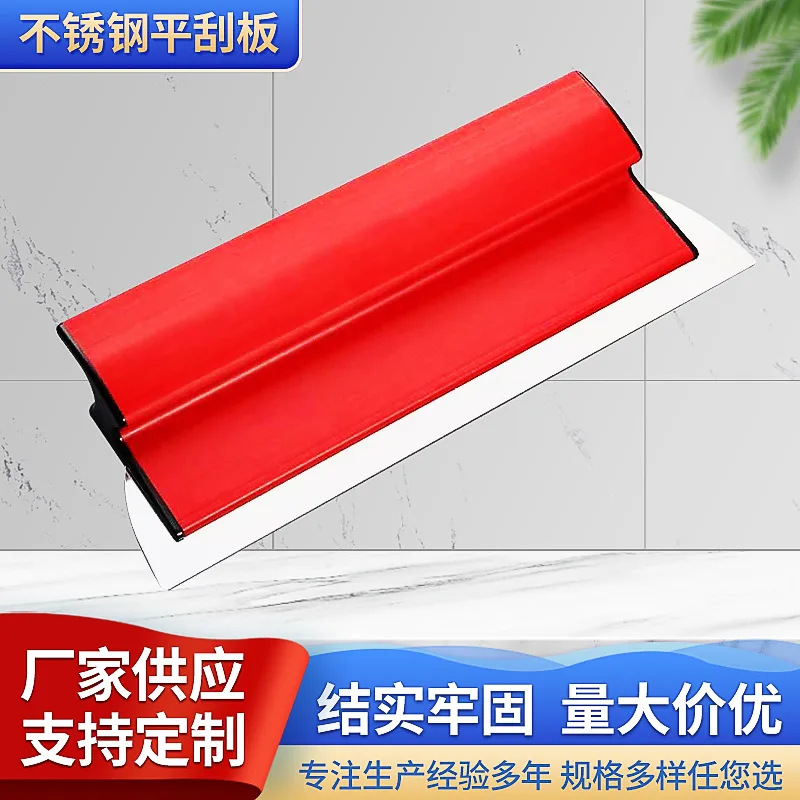
The difference between a flexible putty knife and a stiff one is not a matter of quality but of purpose. A flexible blade bends under the hand and follows the contours of a surface, which is what makes it useful for filling and skimming. A stiff blade stays flat and scrapes material off, which is what makes it useful for stripping.
This range covers a stainless steel blade described as a flexible scraper for filling. This guide explains where flex helps, where it hinders, and how to keep a thin stainless blade in good condition.
What blade flex does
A flexible blade is thinner and spring-tempered, so it deflects against the work instead of standing rigid. Pressed against a filled crack, it flattens itself to the surface and leaves the filler slightly proud, which is what allows it to be sanded back flush. A stiff blade would dig in and leave a step.
| Blade | Behaviour | Best for |
|---|---|---|
| Flexible | Bends to follow the surface | Filling, skimming, applying filler to a curve |
| Stiff | Stays flat, concentrates force at the edge | Stripping paint, lifting a bonded part, scraping a floor |
| Very thin flexible | Follows a tight radius | Glazing, working around a moulding or a bead |
| Wide stiff | Covers a large area at once | Removing material from a flat panel |
The practical consequence is that a flexible knife is a tool for adding material and a stiff one is a tool for removing it. Buying either for the other’s job is the usual reason a filling knife feels awkward and a scraper feels uncontrollable.
Blade width and handle position
Blade width decides how quickly a surface can be covered and how accurately the edge can be placed. A narrow blade reaches into a corner or a narrow rebate; a wide one covers a panel in a few strokes. The handle position matters as much: a handle in line with the blade lets the hand push along the surface, which is what a flexible blade needs to flex evenly.
| Width | Reach | Suits |
|---|---|---|
| Narrow, around 25 to 40 mm | Corners, rebates, small repairs | Filling a crack or a small hole |
| Medium, around 50 to 75 mm | General work | Filling and skimming a wall |
| Wide, 100 mm and above | Large flat areas | Skimming a panel or a plasterboard joint |
| Very wide | Whole surfaces | Levelling a large repair in one pass |
A stainless blade is the right material for a flexible knife because it resists the corrosion that comes from water-based fillers and from cleaning. The trade is that thin stainless is easy to bend permanently, so it needs to be treated as an instrument rather than as a pry bar.
Putty knives in this range
Every option in this range
A stainless steel blade described as flexible, for filling and scraping. The price is per knife.
| Item | Detail | Price |
|---|---|---|
| Flexible filling knife | Stainless steel blade, flexible | $8.99 |
| Second knife | Worth having a narrow and a wide blade | $8.99 |
A single flexible knife covers most household filling. Where a wall is being skimmed or a large panel filled, a second, wider blade saves a great deal of time, and the two together cost less than a single professional trowel.
Filling so the repair disappears
- Press filler into the repair with the blade rather than dragging it across the opening.
- Draw the knife at a shallow angle, letting the blade flex against the surface.
- Leave the repair slightly proud, since filler shrinks as it dries.
- Work across the repair rather than along it, so the edges are feathered.
- Clean the blade before the filler sets, since set filler is far harder to remove.
- Sand back with a block rather than fingers, so the surface stays flat.
Keeping a thin blade flat
A flexible blade fails in two ways, and both are avoidable. It corrodes if it is put away wet, which leaves pits along the edge and makes it drag; and it takes a permanent set if it is used as a lever or dropped on a hard floor. A blade with a permanent set will no longer flex evenly, and the repair it leaves is uneven as a result.
The care is simple: wipe the blade clean and dry it before storing, keep the knife out of a toolbox where other tools can press on the edge, and never use the blade to open a tin or to lever a lid. A flexible blade looked after in that way keeps its spring for years, and a blade that has lost its spring is worth replacing rather than straightening.
Filler types and how they behave under a blade
Not every filler works the same way under a flexible blade, and knowing the difference prevents a repair that looks right on the day and fails later. A powder filler mixed with water sets hard and shrinks as it cures, so it has to be left proud. A ready-mixed lightweight filler shrinks less but sands softer, so it can be left closer to flush. A two-part filler sets quickly and cannot be reworked once it has begun to cure.
| Filler | Shrinkage | Working time | Blade technique |
|---|---|---|---|
| Powder filler | Noticeable | Short; sets as it dries | Leave proud and sand back |
| Ready-mixed lightweight | Low | Long | Draw almost flush, then sand lightly |
| Two-part repair filler | Very low | Minutes | Apply quickly and shape before it cures |
| Decorator caulk | High | Long | Tool with a wet blade for a smooth bead |
The technique follows the filler. Where a material shrinks, the blade should leave the repair visibly proud; where it does not, the blade can be drawn almost flat and the work is finished with a light sand rather than a heavy one.
Frequently Asked Questions
What is a flexible putty knife used for?
Applying filler and skimming. The blade bends to follow the surface, which lets the repair be left slightly proud and sanded flat.
Should I buy flexible or stiff?
Flexible for filling and skimming, stiff for stripping and scraping. Most people need both, and they are different tools.
Why does my blade leave a line in the filler?
Usually a nicked or pitted edge, or a blade that has taken a permanent set. A flat blade drawn at a shallow angle leaves no line.
Can I use it to remove paint?
It will lift loose paint, but a stiff scraper does the job better and will not damage the blade by flexing it past its limit.
How do I store a filling knife?
Clean, dry, and separate from other tools so nothing presses on the blade edge.
Choosing the right blade
Match the flex to the job and the width to the area. The flexible stainless steel blade in this range is intended for filling and scraping.