Blog
Chainsaw Chain and Guide Bar: A Practical Checklist for Trade Buyers

Two people can buy the same item at the same price and get very different results, because one matched it to the job and the other bought on the headline figure. The difference is only ever in the detail.
The listing below covers 4 options priced between $15.96 and $18.18. Because each option carries its own price, the difference between them is a real difference in specification rather than a bundle of extras.
The range at a glance
The table below puts the whole listing on one screen: how many options there are, what the price band is and how far the sizes or capacities actually span.
| Item | This listing | What it tells you |
|---|---|---|
| Options available | 4 options | Each option is priced separately |
| Price band | $15.96 to $18.18 | The step between options is the specification change |
| Size or capacity span | 12 to 20 in | Read the ladder below before choosing |
| Units used in the options | in | The units you will be comparing against the job |
| Format | Variable product | How the options are structured on the site |
Sizing it to the job
The three dimensions below are the ones that change the result. Two of them can be measured from the work itself; the third is a judgement about how the item will be used.
| Dimension | What it decides | How to choose |
|---|---|---|
| Piece count vs coverage | How many gaps the set actually fills | Sizes that span the range, not repeats |
| Drive and size system | Which sockets, bits and extensions fit | One system across the whole set |
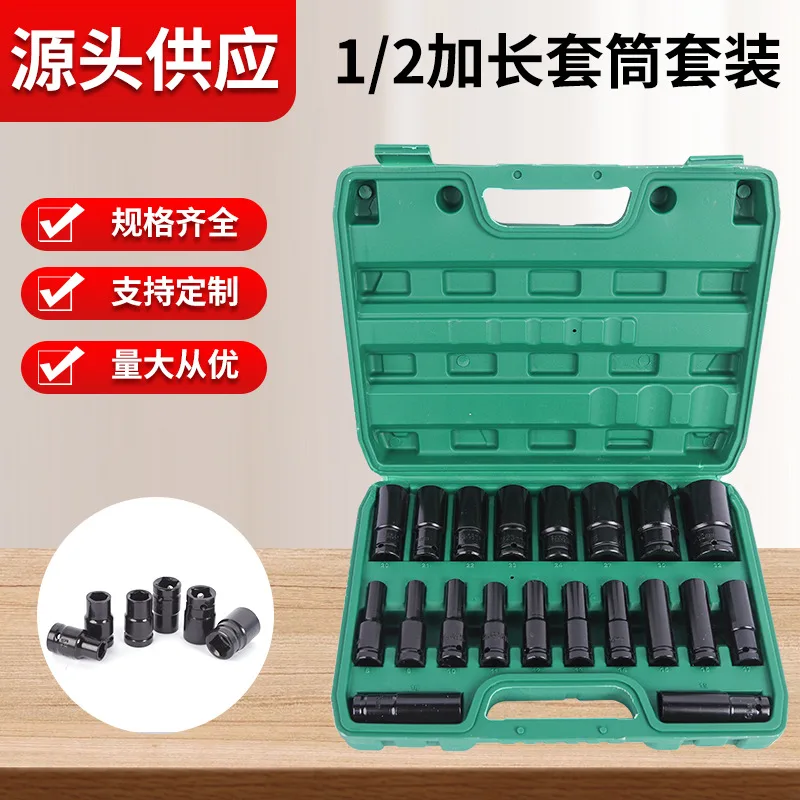
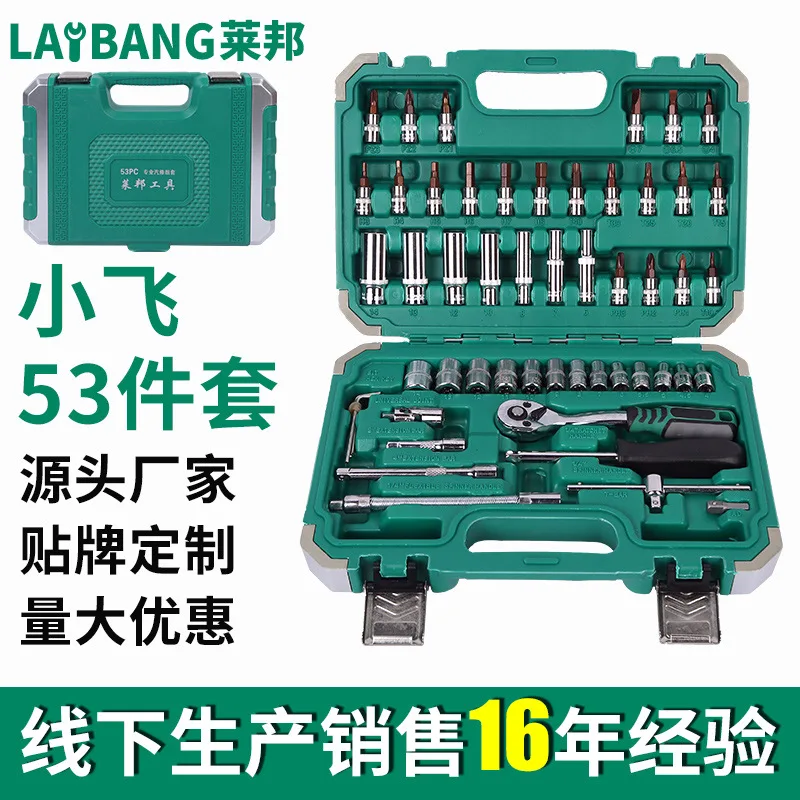
| Case or tray | Whether pieces stay organised in use | Moulded positions for every piece |
The ladder below groups the options as they actually run, from the smaller end of the range to the larger, so the step between one part of the range and the next is visible at a glance.
| Part of the range | Size or capacity | Price | Where it suits |
|---|---|---|---|
| Smaller half | 12 to 16 in | $15.96 to $15.96 | Everyday work |
| Larger half | 18 to 20 in | $18.18 to $18.18 | Heavier work |
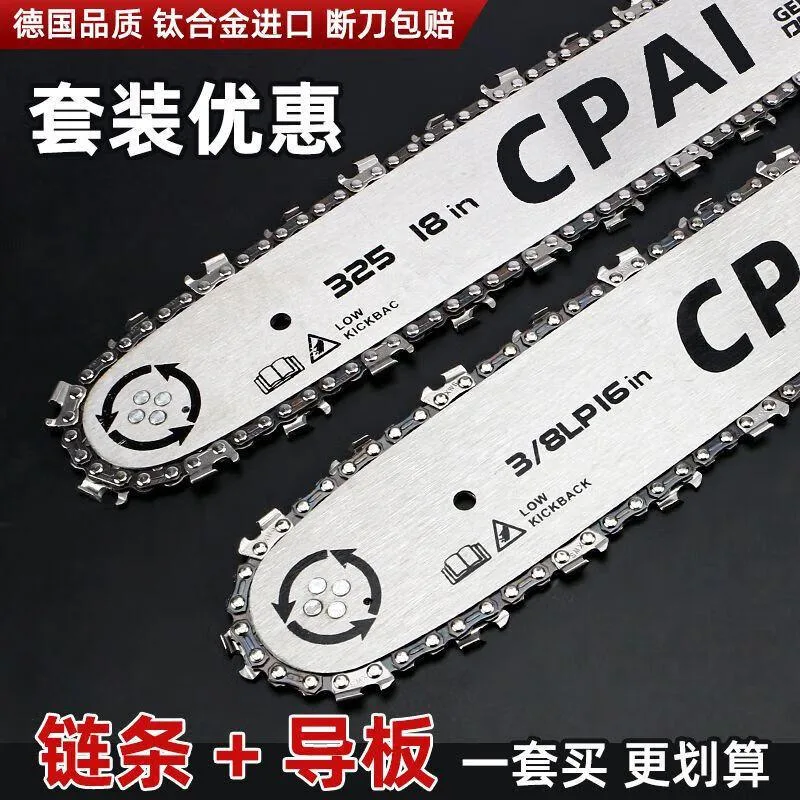
The Chainsaw Chain and Guide Bar listing
The listing below is the one described above, with the options and prices as they stand today.
What to check when it arrives
Most of what goes wrong after delivery is visible in the first few minutes, which is why the checks below are worth doing before the item goes into service.
| Check | Why it matters | What good looks like |
|---|---|---|
| The common sizes are present | A set missing the middle sizes is a set of gaps | The working sizes, not just the extremes |
| Pieces are standard, not proprietary | Standard items can be replaced anywhere | Catalogue sizes throughout |
| Case holds every piece in place | Loose pieces get lost and the set shrinks | Moulded or clipped positions |
| Finish resists the environment | Plating decides how it looks after a year | Chrome or a stated corrosion finish |
| Ratchet or driver is serviceable | The mechanism is the part that wears first | A rebuild kit or a stated warranty |
| Weight and case size suit the van | A set too heavy to carry stays behind | Handled and sized for the transport you use |
Where these go wrong
The problems below account for most of the complaints in this category, and nearly all of them have a cause that can be corrected without replacing anything.
| Symptom | Likely cause | What to do |
|---|---|---|
| Ratchet slips under load | Worn pawl or a mechanism at its limit | Strip and inspect, then use a breaker bar for tight fixings |
| Pieces go missing | No fixed position in the case | Return to a moulded tray; do not mix sets |
| Sockets round on tight bolts | Six-point versus twelve-point, or a worn socket | Use the correct profile and replace the worn socket |
| Bits cam out of screw heads | Tip size or profile mismatch | Step up a tip size and match the profile |
Tool kits and sets in practice
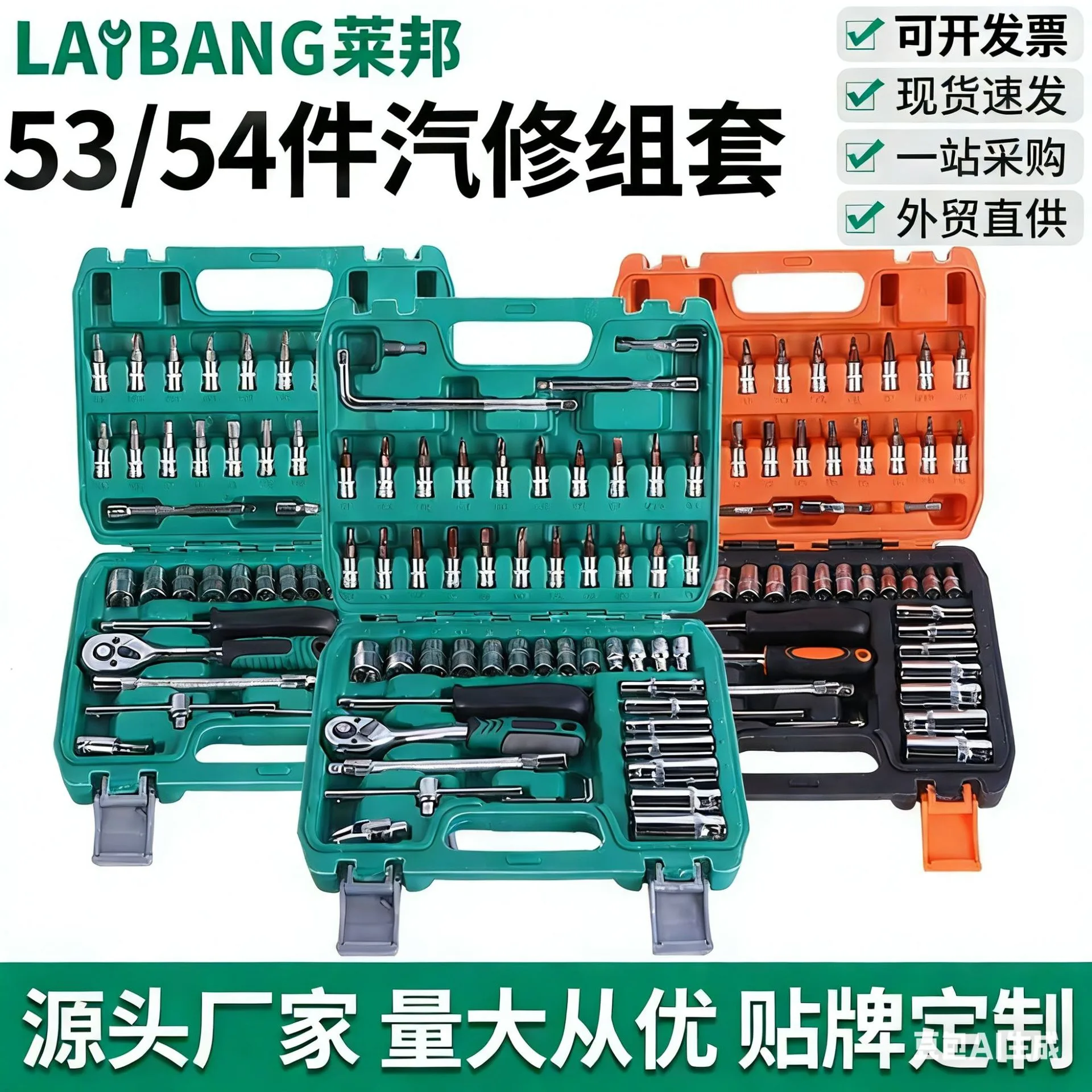
A set is bought for its gaps. What matters is whether the sizes in the box cover the work you do, not how many pieces the box claims to hold.
Cases decide whether a set gets used. A tray that holds every piece in its own place is looked after; a loose box becomes a search, and a search becomes a substitute tool.
Sets age well when the pieces are standard. A set built on common sizes can be topped up from any supplier, while one built on proprietary items is tied to the original purchase.
Ordering for a team or a season
Past a single unit the question stops being which option and becomes how many, and the answer comes from consumption rather than from the price list.
Quoting works on quantity, so it pays to give the number required and the date it is needed together instead of asking for a unit figure and negotiating afterwards.
Frequently Asked Questions
The answers below cover the questions that decide most orders in this range.
Is a bigger set better?
Not automatically. A set of sixty pieces that covers the work beats a set of two hundred that repeats the same sizes in three drive systems. Coverage of the sizes you actually use is the test.
How do I judge the case?
Look for a position for every piece and a latch that survives being carried. Cases are what keep a set complete, and an incomplete set is the reason most sets get replaced.
Can I add to the set later?
Only if the pieces are standard sizes. Sets built on common drive sizes can be extended from any supplier; ones built on unusual sizes cannot.
What wears out first?
The ratchet mechanism or the driver, and the most-used socket or bit. Keeping one spare of each is cheaper than replacing the set.
Do I need the same brand throughout?
No, but stay within one drive system so extensions, adaptors and sockets interchange. Mixing systems is what produces a tray of pieces that almost fit.
Keeping it working
Clean, check, store. Those three habits cover nearly everything that shortens the life of this equipment.
- Dry every piece before it goes back; a damp case rusts a whole set.
- Oil the ratchet mechanism, not the outside of the case.
- Wipe plating clean and keep the case out of damp workshops.
- Replace single pieces as they wear rather than the whole set.
- Check the case hinges and latches before lifting it loaded.
- Keep the size markings legible so the right piece is picked first time.
Ordering and what happens next
Ordering is straightforward: each option is priced on its own, so the specification chosen at checkout is the specification delivered.
The Chainsaw Chain and Guide Bar page carries the current stock and the price of every option in this range.
Damage should be photographed and reported as soon as the parcel is opened, so a replacement can be arranged from that report.
Settle the size from the job, confirm the material and the finish from the environment, and the rest of the decision follows without argument.