Blog
Cordless Drill Kits and Rotary Tool Kits: What to Look For

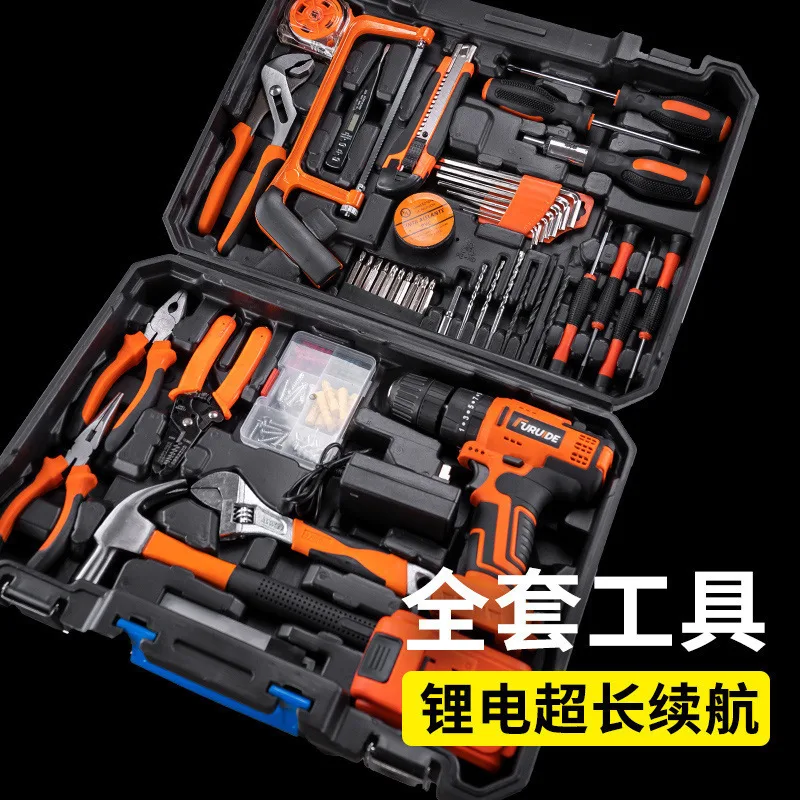
A power tool kit is bought for a job that has not been thought through yet. The drill in the case will be used to assemble furniture, fix a bracket to a wall and drive a screw into hardwood, and the kit either covers all three or leaves the buyer shopping again within a week. That makes the contents of the case more important than the headline specification. This guide covers the cordless drill kits and rotary tool kits in this range and what to look for in each.
What a drill kit has to cover
- Drilling and driving. A drill that only drills is half a tool. Two speed ranges, or a clutch, give control when a screw has to stop flush.
- Chuck type. A keyless chuck takes round and hex shanks, while a quarter inch hex holder is faster for bits and drivers.
- Battery and voltage. A higher voltage means more torque and more weight. For furniture and fittings, 12 to 20 V is plenty; the larger voltages are for masonry and heavy driving.
- Accessories. The value in a kit is in the box, not the tool: bits, sockets, a level, a tape and the drill bits that match the material being drilled.
- Storage and charging. One case that holds the tool, the charger and the accessories is what keeps the kit usable rather than scattered.
Kit types in this range
| Kit | Best for | Note |
|---|---|---|
| Cordless drill and driver kit | Furniture, fittings, general assembly | Choose the voltage by the torque needed |
| Drill and hand tool kit in a case | One box for everything | Hundred-piece sets cover the fasteners too |
| USB rotary tool | Cutting, grinding, polishing, carving | Small, rechargeable, hundreds of accessories |
| Handheld rotary tool set | Detail work and repair | Low torque, high speed, precision |
Drill and driver kits
A cordless drill and driver kit from 12 V to 48 V in a range of configurations covers the core job. The important choice is voltage against duty: a 12 V machine is light enough to use overhead all afternoon and will still drive a screw into a pilot hole, while a 24 or 48 V machine has the torque for masonry and long screws but weighs more and costs more. Match the kit to the work you actually do, and check that the battery is a type you can buy again later, because a kit is only as useful as its second battery.
Drill and hand tool kits
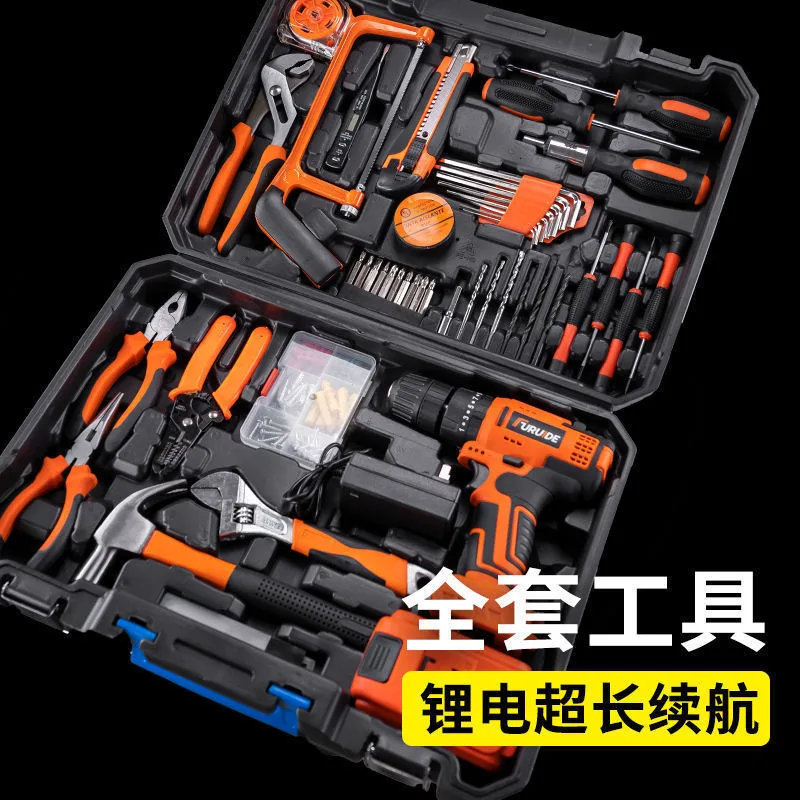
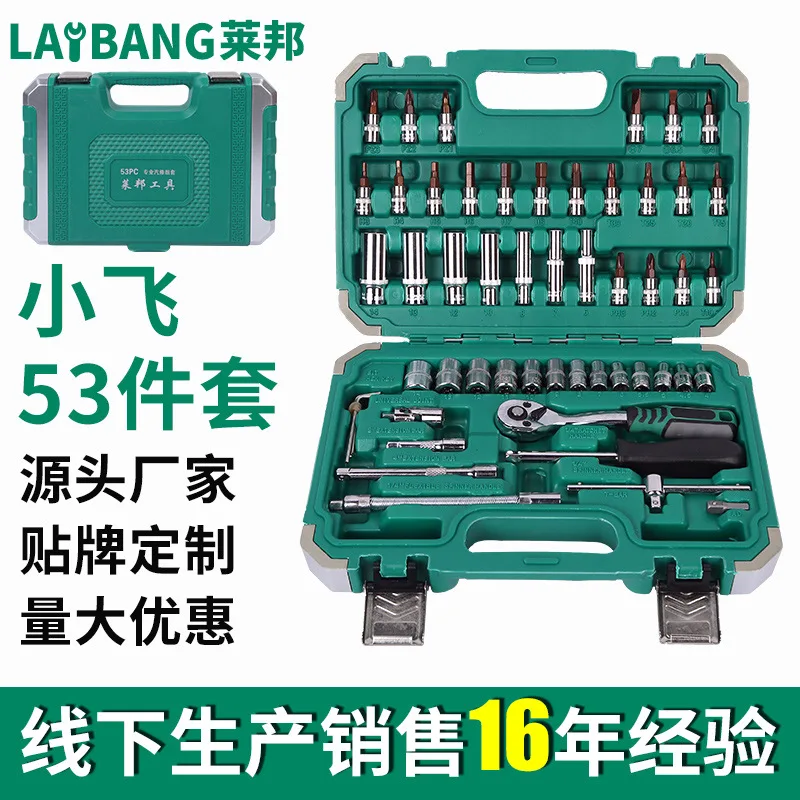
A cordless drill and hand tool kit in a case with a hundred pieces over twenty-eight kit configurations answers the other question: what else do I need? Alongside the drill it puts the bits, sockets, a level, a tape and the small hand tools that a job needs in one place, which is what makes it a genuine first kit for a new household or a van. The trade is that a large kit usually pairs a modest drill with a lot of accessories, so buy it for the accessories and treat the drill as the part that will eventually be upgraded. A workshop tool trolley set with a socket and ratchet kit in 139 to 370 piece configurations is the same idea at the other end: a set for someone who already has a bench and now needs the contents organised.
Rotary tool kits
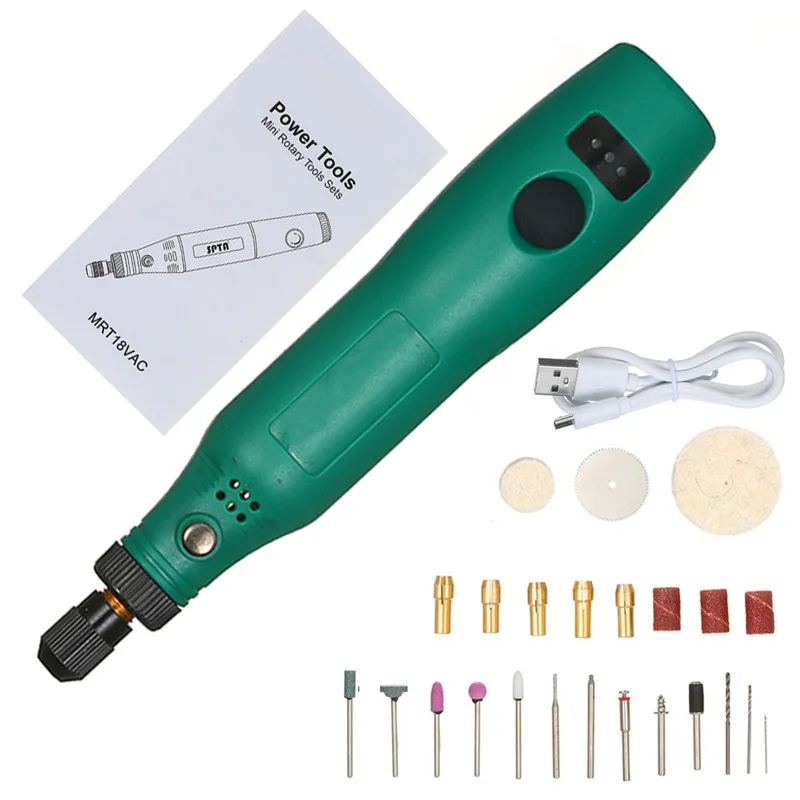
A cordless USB rotary tool for woodwork and a USB rechargeable handheld rotary tool with a lithium battery are the kits people buy for the jobs a drill cannot reach. A rotary tool spins a small accessory at high speed, which makes it the tool for cutting a slot, grinding a burr, polishing a small part, carving detail or dressing the end of a tube. Because the accessories are small, the kits matter: a rotary tool with thirty pieces is a toy, while one with hundreds covers cutting, grinding, polishing and brushing in the sizes a job actually needs. Rechargeable USB versions remove the cord, which is what makes them usable on a small job away from the bench.
Choosing a kit that keeps working
Three practical rules. First, buy the kit for the accessories and the battery standard, because those are what determine whether it can still be used in three years. Second, check the chuck or bit holder against the accessories you already own: a kit that only takes proprietary bits locks the buyer into one system. Third, keep the case: a power tool that lives in its case with a charged spare battery is a tool that gets used, while the same tool loose on a shelf is one that gets replaced. Whatever the kit contains, the two additions that matter most are a second battery and a set of drill bits that suits the material being drilled, because a kit with a single battery and wood bits stops at the first masonry wall.
Frequently asked questions
What voltage drill do I need?
Twelve to 20 V covers furniture, fittings and general assembly. Choose 24 V and above only if you drill masonry or drive long screws regularly, and accept the extra weight.
Are large kits worth it?
If the accessories are ones you will use, yes, because buying them separately costs more. Look at what is in the box rather than at the number of pieces, since piece counts include a lot of very small items.
What is a rotary tool for?
Cutting, grinding, polishing, carving and cleaning in places a drill cannot reach. It is a high speed, low torque tool, so it removes small amounts of material precisely.
Why does my cordless drill stall on screws?
Usually the clutch or the speed range. Use the low gear for driving, set the clutch below the point where it slips, and pilot drill hard material before driving a screw.
How long should a battery last?
For a small kit, enough for a session of assembly work. If a job needs more, the second battery matters more than a larger kit, which is why buying a kit with two is worth the difference.
Where to start
Browse the full Power Tool Kits range, or the wider Tool Sets category if you also need socket sets, spanner sets, tap and die sets or kit boxes. Tell us the material, the fasteners and whether the tool will be used at a bench or on site, and we will point you at the kit and the battery standard that fit.