Blog
Precision Tool Kits for Telecom, Phone and Fine Repair

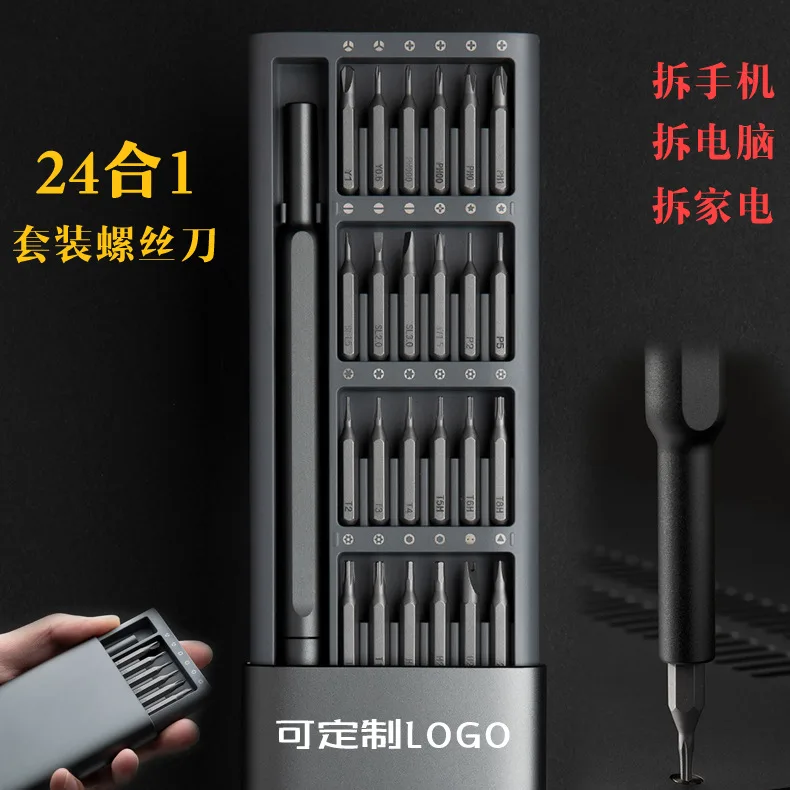
Telecom, phone and fine repair work is small, delicate and unforgiving. A screw the size of a grain of rice sits in a plastic housing that cracks if the driver slips, and the solder joint next to it fails if the iron is too hot. The kits that suit this work are not scaled down versions of a general tool kit; they are built around small fasteners, controlled heat and magnification. This guide covers the precision tool kits in this range and how to use them without causing more damage than the fault.
What fine repair demands
- Bit fit. Precision screws are shallow and soft. A bit that is a fraction small rounds the recess and turns a repair into a machining job.
- Controlled force. Small screws need axial pressure before torque, and a handle that lets the fingers feel what the tip is doing.
- Controlled heat. Soldering in a phone or a board means a fine tip, a temperature that is set rather than guessed, and the shortest possible contact time.
- Containment. A dropped screw inside an assembly costs an hour. Magnetic tips, trays and pans are part of the kit rather than accessories.
- Damage control. Insulated or non-marring tools matter wherever a slip would land on a connector, a ribbon cable or a finished surface.
Tools in this range
| Tool | Purpose | Note |
|---|---|---|
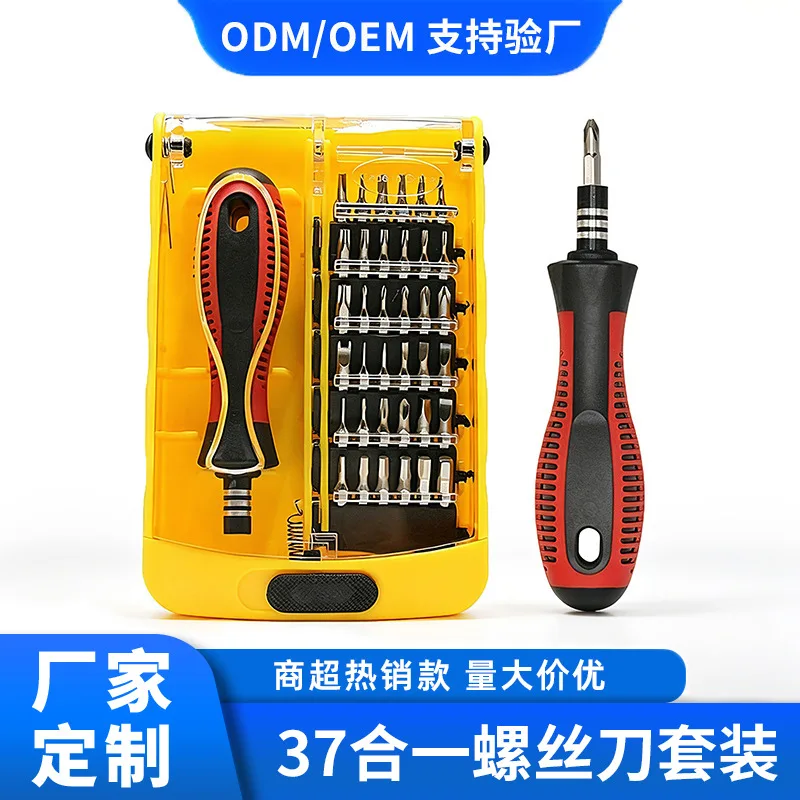
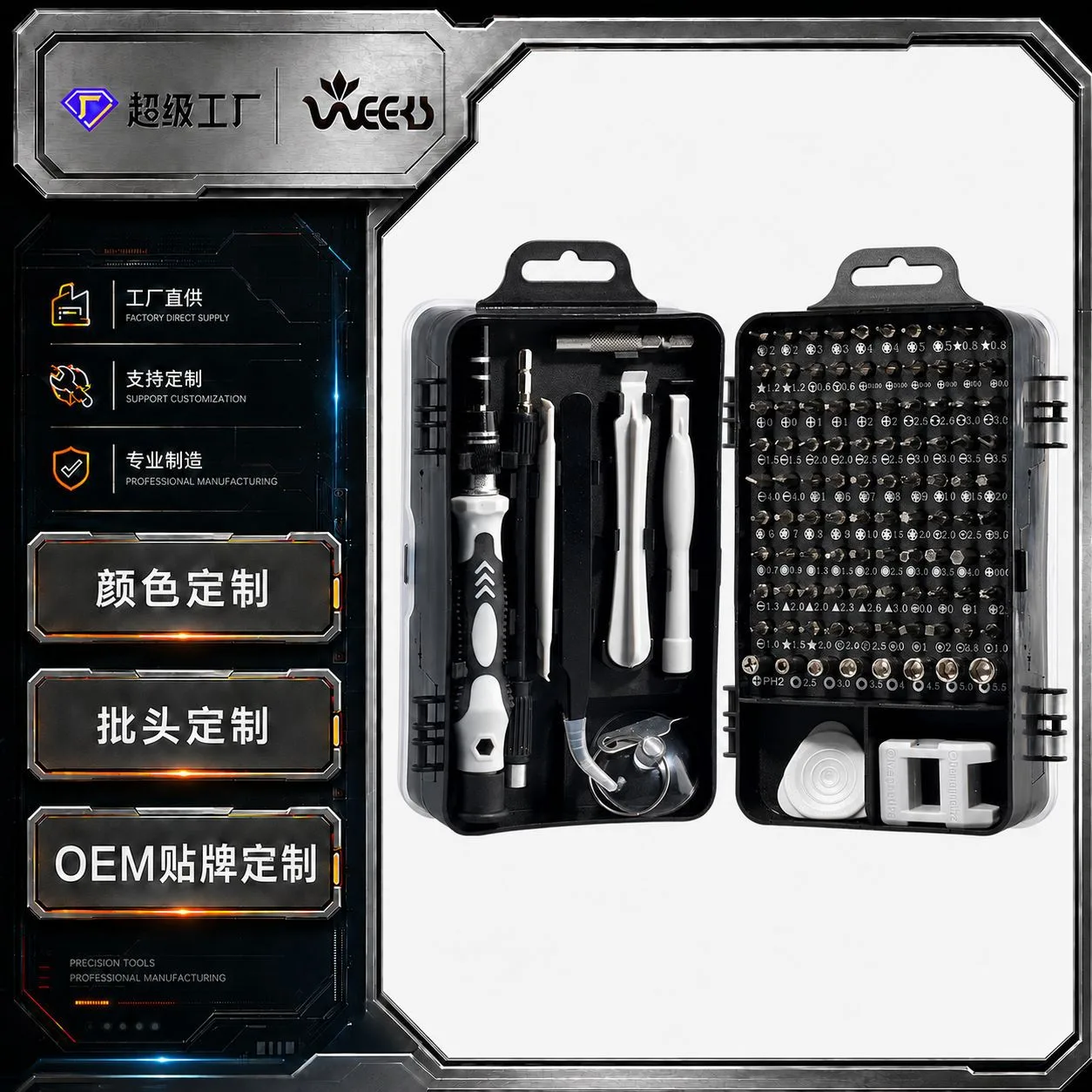
| Precision screwdriver set | Small fasteners, housings, connectors | Aluminium handle, chrome vanadium bits |
| Precision telecom screwdriver | Terminal blocks and connectors | Nickel plated, sized for telecom work |
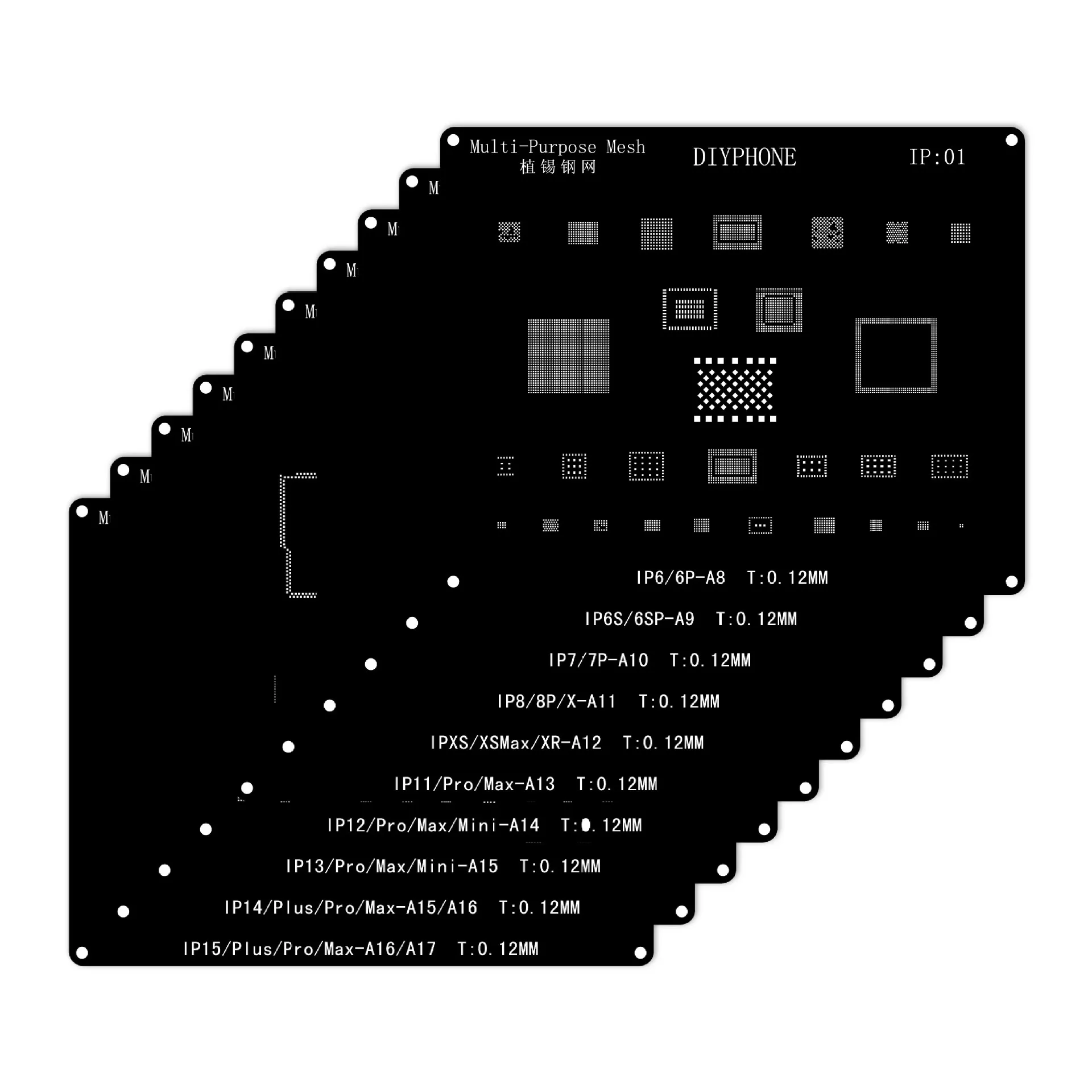
| Solder stencil | Applying paste to a board | Alloy steel, holds the pattern in place |
Precision screwdrivers
An aluminium precision screwdriver set in chrome vanadium steel is the foundation of a fine repair kit. The aluminium handle adds rotating mass and stability, which makes it easier to keep the tip in a small recess, and the chrome vanadium bits hold an edge well enough for repeated work on the same equipment. A precision telecom screwdriver with a nickel plated finish is the single driver for terminal and connector work, where the same size is used over and over and a bit change is wasted time.
Solder stencils and board work
A precision solder stencil in alloy steel for phone repair is the tool that makes paste application repeatable. The stencil is aligned over the pads, paste is spread across it, and the apertures deposit the same volume of paste on every pad; that consistency is what stops a reflow producing bridges on one side and dry joints on the other. Alloy steel holds the aperture edges sharper than a soft stencil, which matters when the pitch is small. Keep the stencil clean between uses, because dried paste in an aperture changes the volume it deposits.
Working on small assemblies
The technique matters as much as the tools. Work on a mat with a lip so that a dropped screw stays on the bench instead of disappearing into a carpet, and keep a magnetic tray for the fasteners from each stage, because mixing the screws from two assemblies is the classic way to finish with a housing that will not close. Choose the largest bit that fits the recess and press down before turning. Where a connector has to be released, use a plastic tool rather than a metal one, since a metal probe slipped across a board is how a working device becomes a faulty one. Keep the work area lit properly and use magnification: most damage in fine repair is caused by not seeing the recess, not by lack of skill. Above all, work slowly and in order, laying the parts out as they come off so that reassembly is the reverse of a record rather than a guess.
Soldering on a small board
Heat is the part of fine repair that does the most damage, and it is the part that is easiest to control. Use a fine tip so heat goes to the joint rather than the surrounding board, set the temperature to what the solder needs rather than to the maximum the station can produce, and tin the tip before every joint so heat transfers immediately. Work quickly: a joint that forms in two seconds is better than one that takes ten, because the ten second joint has already cooked the pad and the component. Clean the tip between joints, and keep the joint still while the solder solidifies, otherwise the result is a dull, cracked connection that fails later. Where a component has to come off, use hot air or a desoldering tool rather than pulling on it, because a lifted pad cannot be replaced, and photograph the board before starting so that reassembly is a matter of checking rather than remembering.
Frequently asked questions
What is a solder stencil used for?
Depositing the same volume of solder paste on every pad before reflow. It is aligned over the board, paste is spread across it, and the apertures meter the paste.
Why do precision screwdrivers need aluminium handles?
The extra mass and stability make it easier to keep a small tip in a shallow recess. It is a control benefit rather than a strength one.
Can I use a general screwdriver set on a phone?
Only if it includes precision sizes. A full size driver will not fit a phone fastener, and forcing it damages the housing and the screw.
What else belongs in a telecom kit?
A plastic pry tool, a magnetic tray, magnification and good light. Most damage in fine repair comes from slipping, and most slipping comes from not being able to see properly.
How do I avoid losing small screws?
Work over a tray with a lip, keep the fasteners from each stage in a separate magnetic dish, and lay parts out in order as they are removed.
Where to start
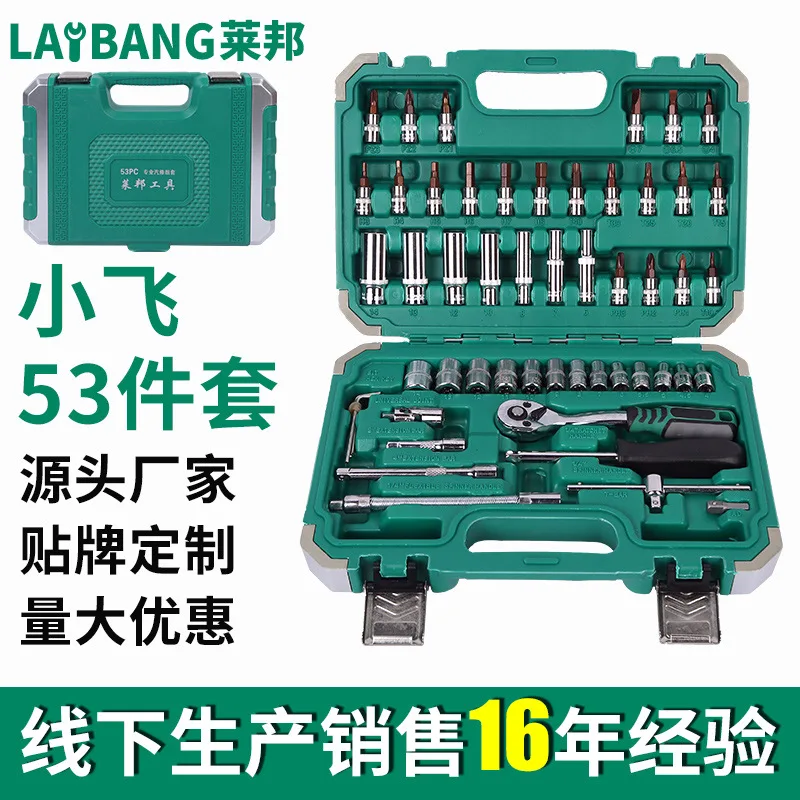
Browse the full Telecom Tool Kits range, or the wider Tool Sets category if you also need socket sets, spanner sets, tap and die sets or kit boxes. Tell us the equipment, the fastener sizes and whether the work involves soldering, and we will point you at the kit and the bits that fit.