Blog
Outdoor Tool Boxes: Size, Weather and What Belongs Inside


A box kept outdoors is asked to do more than a box kept on a bench. It sees rain, sun, mud, frost and the kind of handling that comes from being loaded onto a truck or a trailer rather than carried by hand. The design that survives that is different from the design that wins on price alone.
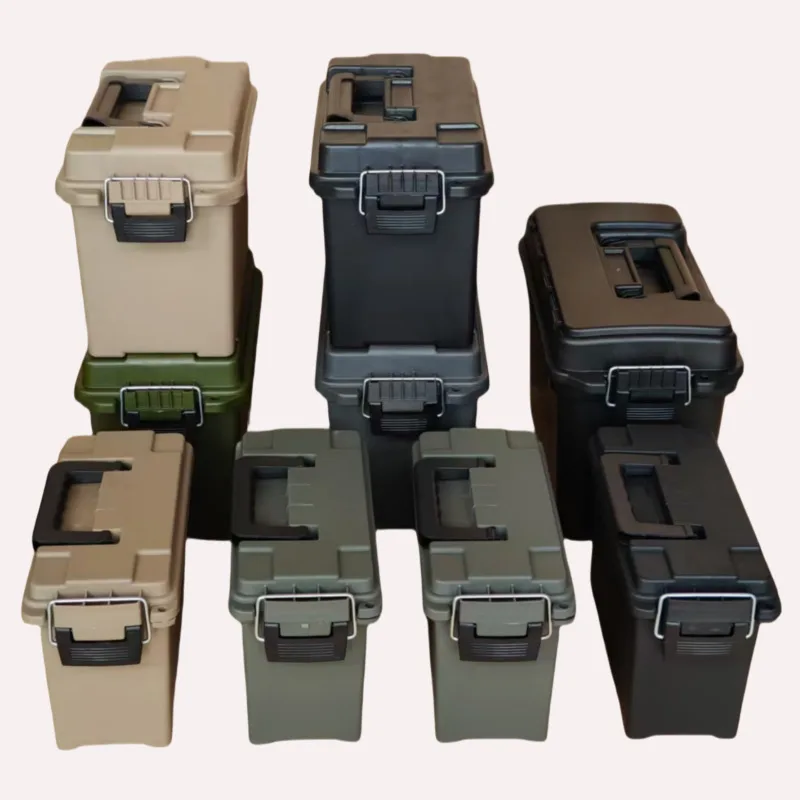
This outdoor tool box is a large moulded plastic box at 24.99 dollars, intended for equipment that lives outside or travels to sites. This guide covers what it will and will not protect, what suits being stored inside it, and how to avoid the two failures that end the life of an outdoor box.
What an outdoor box has to survive
Weather is the obvious threat, but it is rarely what breaks a box. Ultraviolet light, temperature cycling and rough handling do more damage over a year than rain does, and each one can be designed around.
| Threat | Effect over time | What helps |
|---|---|---|
| Rain and standing water | Rust inside the box | A lid that overlaps the rim |
| Ultraviolet light | Moulding becomes brittle | Storing the box in shade |
| Frost and heat cycles | Lid warps and stops seating | Keeping the box off the ground |
| Mud and grit | Hinge and catch wear | Rinsing the box out occasionally |
| Rough loading | Cracks at corners and handle | Keeping the load inside the rim |
The lid that overlaps the rim is the detail that matters most for rain, because water running down the sides of a box will find any flat seam. A lid with a lip that sits outside the box wall sheds water instead of letting it pool on the joint.
What suits an outdoor box
The contents should be the tools and equipment that belong to the outdoor job, not the whole workshop. Keeping the box light means it gets carried, and keeping it specialised means it can stay in one place year round without being emptied.
| Contents | Suits an outdoor box? | Note |
|---|---|---|
| Hand tools for site work | Yes | Wipe and oil before storing |
| Sprayers and garden fittings | Yes | Drain before storing |
| Tow ropes and straps | Yes | Keep dry to protect the fibres |
| Camping and BBQ gear | Yes | Store with the lid closed |
| Power tools and batteries | Partly | Batteries are better kept indoors |
| Instruments and meters | No | Use a sealed case instead |
Power tool batteries are the exception worth thinking about. They are damaged more by heat and cold than by damp, and a box outdoors can reach high temperatures in summer. Keeping batteries indoors and only the tools outside is the cheaper arrangement in the long run.
Outdoor tool boxes in this range
Every option in this range
One size, one build: a large moulded plastic tool box intended for outdoor and site storage.
| Option | Detail | Price |
|---|---|---|
| Large outdoor box | Moulded plastic body, hinged lid, carry handle | $24.99 |
The box is priced as a large, heavier-duty container rather than a small parts box, which reflects both the material volume and the thicker moulding. For anyone who needs a single box to keep outside all year, that is the right trade.
Storing an outdoor box properly
- Keep the box off the ground on a pallet or a shelf so water cannot stand against the base.
- Close the lid fully every time; a box left ajar collects water even in light rain.
- Oil or wipe metal tools before they go back in, especially after a wet day.
- Rinse mud out with water and let the box dry open in the shade.
- Avoid storing the box where it gets full afternoon sun for months at a time.
- Empty the box at the end of a season so damp contents do not sit inside it.
What size outdoor box to buy
Outdoor boxes are usually bought too large. A box that is bigger than the job tends to be filled with everything within reach, which makes it too heavy to move and turns a working box into a shed.
| Load | What suits it | Watch out for |
|---|---|---|
| A site tool kit | A box sized to the longest tool | Weight once a hammer and spanners are added |
| Garden equipment | A box that takes fittings upright | Damp fittings rusting against tools |
| Tow and recovery gear | A medium box with room for straps | Straps staying wet inside the box |
| A season of equipment | A large box that stays put | It becoming permanent storage |
The useful test is whether the box can still be lifted by one person when full. If it cannot, it has stopped being portable and should be treated as a store, which means it needs a dry position and a shelf rather than a corner of the yard.
Looking after an outdoor box is mostly about water. Draining the base, wiping metal tools with oil before they go back in, and leaving the lid closed are enough to keep both the box and its contents in condition for years, and none of it takes more than a minute at the end of a working day.
One last habit worth keeping: never leave a box outdoors with the lid unlatched overnight, even under a cover, because a single night of rain is enough to fill the base and start every steel tool in it rusting.
Frequently Asked Questions
Is an outdoor box waterproof?
It sheds rain when closed properly, but it is not a sealed case. Tools stored in it should be oiled, and anything that must stay dry needs a gasketed case.
Can it be left outside in winter?
Yes, if it is off the ground. Frost does not damage the box itself, but water collecting around the base and freezing can distort it over time.
Should power tools be stored in it?
The tools can be, but batteries are better kept indoors where the temperature is steadier.
Is it lockable?
Where the catch has an eye, a padlock or a cable tie will hold the lid shut against casual opening.
How heavy is it when full?
That depends on the load. Spreading heavy items along the base keeps it liftable, and keeping the contents to one job stops it becoming a storage unit nobody moves.
Deciding between an outdoor box and a sealed case
Choose the outdoor box when the contents are tools that tolerate damp and the box will be handled roughly. The outdoor tool box in this range fills that role at a size that takes a season of equipment.
Choose a sealed case instead when the contents are instruments, meters or anything electronic. A gasket costs less than replacing equipment, and no amount of careful storage substitutes for a seal.