
Abrasives
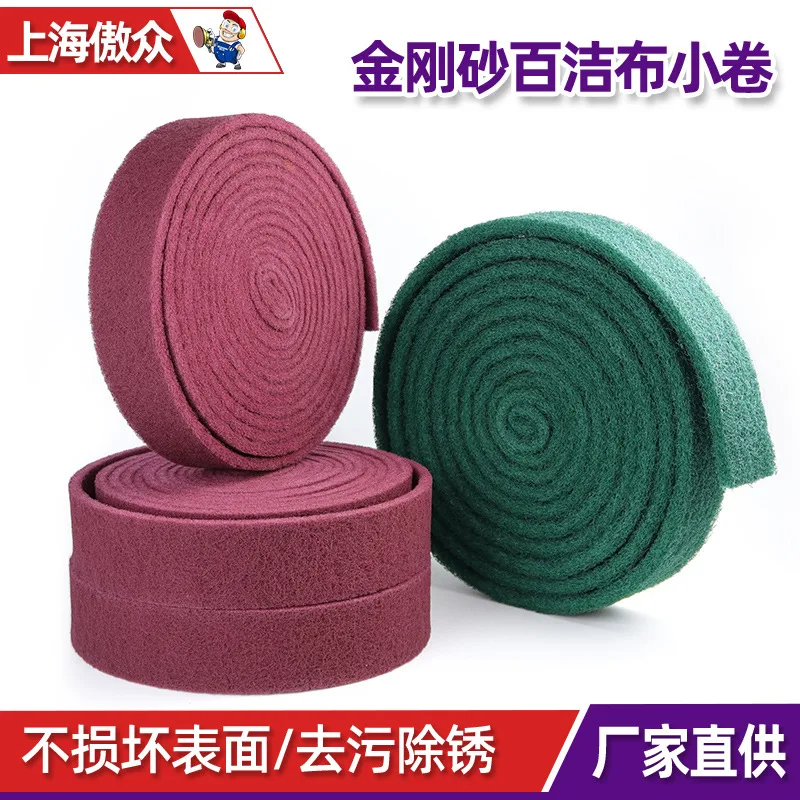

Scouring Pads and Rolls: Removing Rust, Grease and Scale
How to use scouring pads, cloths and rolls: emery versus nylon abrasive, grades for rust and scale removal, and the preparation sequence a coating needs to adhere.

Sanding Belts: Size, Joints, Grit and Belt Life
How to choose and run a sanding belt: size and tracking, ceramic versus zirconia grain, joint types, tension and the pressure that glazes rather than cuts.

Polishing Wheels: Materials, Speed and Compound Choice
How to choose a polishing wheel: abrasive nylon for cleaning, conforming sponge wheels for contours, speed and pressure control, and one wheel per compound.

Mounted Points and Burs: Shapes, Shanks and Safe Speeds
How to choose mounted points and burs: shape for access, grain for the material, shank and collet matching, and the pressure and speed that stop glazing and breakdown.

Abrasive Materials: Aluminium Oxide, Silicon Carbide, Zirconia and Diamond
Which abrasive grain suits wood, paint, steel, hardened tooling and stone, plus how coat density, bond and backing weight change the way an abrasive performs.

Sandpaper: Grit, Backing and Choosing Sheets, Discs and Rolls
How to choose sandpaper: grit grades and grain types, backing for wet or dry work, open versus closed coat, and a grit sequence that removes scratches properly.

Diamond Sharpening Stones: Grit, Plate Size and How to Keep an Edge
A guide to diamond sharpening stones: why diamond stays flat, how grit progression works from 80 to 3000, plate size and angle holders, and technique that keeps an edge.

Choosing the right angle grinder disc for the job
Cutting, grinding, blending or stripping? The disc you fit decides whether the job is quick and clean or slow and dangerous.