
Hand Tools
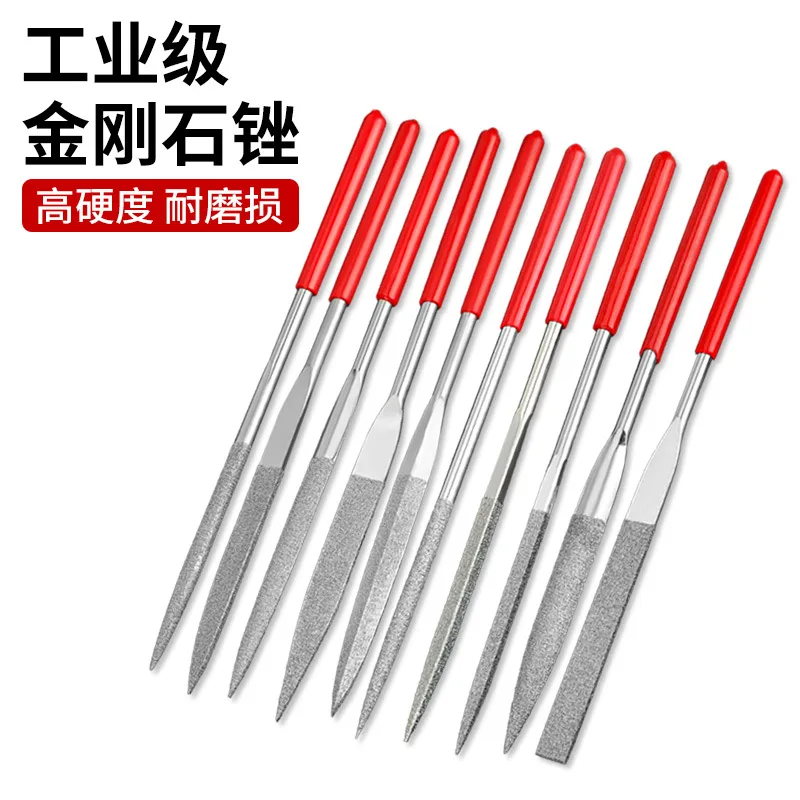

Diamond Tool Sizes: What 3×140 and 5×180 Mean
What the two figures in a diamond tool size mean, how a slim 3 mm rod differs from a 5 mm one, and when buying a set of ten makes sense.

Diamond Mounted Points: 6 mm to 16 mm and What Each Grinds
How 6 mm to 16 mm diamond mounted point heads differ in reach and control, when a set beats a single point, and how to stop the coating wearing out.
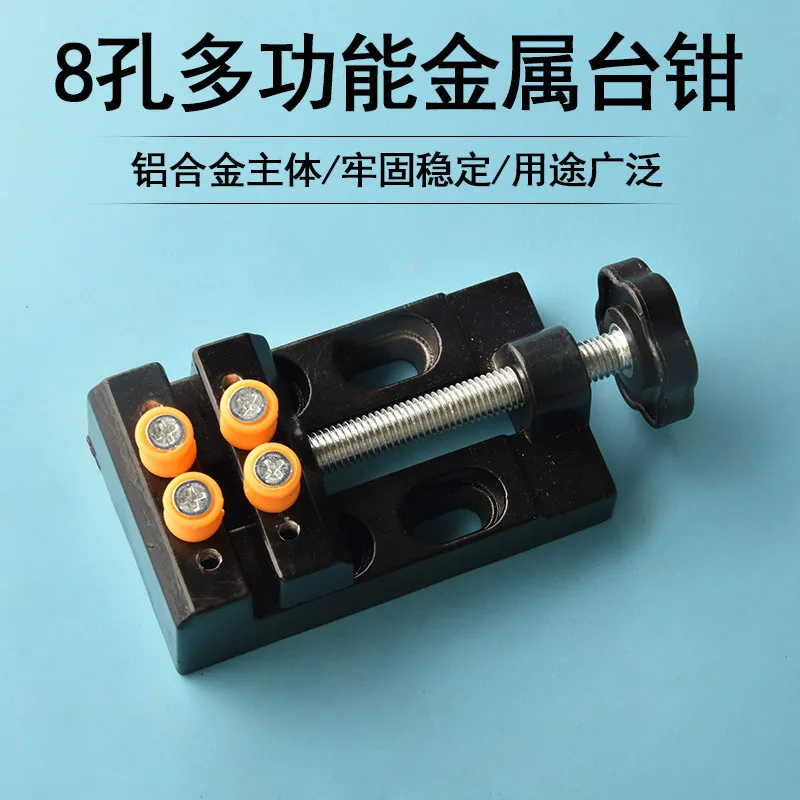
Types of Clamps: Spring, Quick-Release and Screw Clamps
How spring, quick-release and screw clamps compare in speed, pressure and reach, and which of the three belongs in a small workshop.
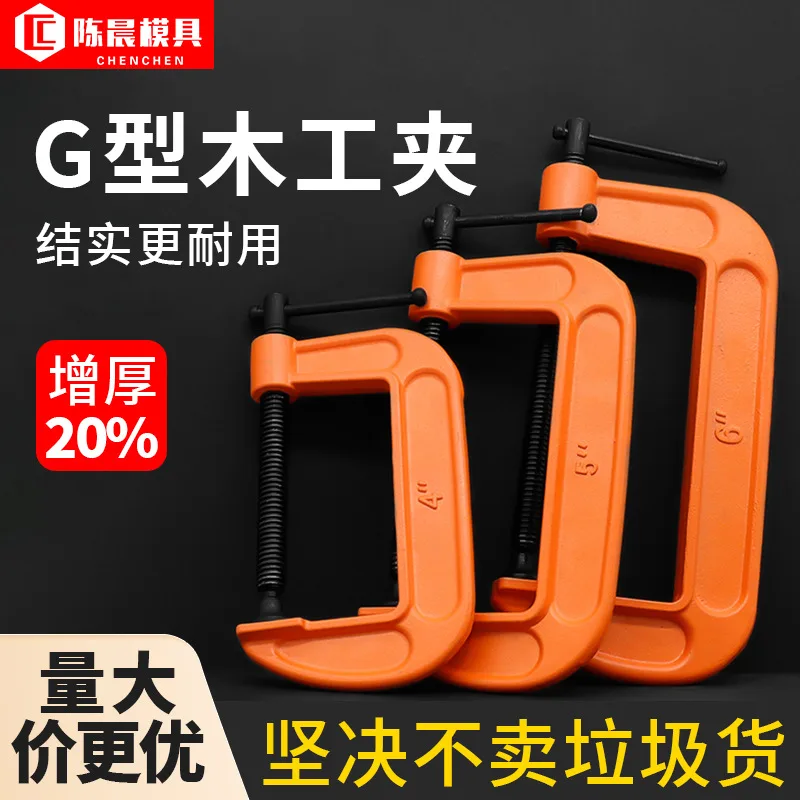
G Clamp Sizes: Throat Depth, Jaw Opening and What to Buy
How G clamp jaw opening and throat depth decide what a clamp holds, which sizes cover the common workshop jobs, and how to clamp without marking work.
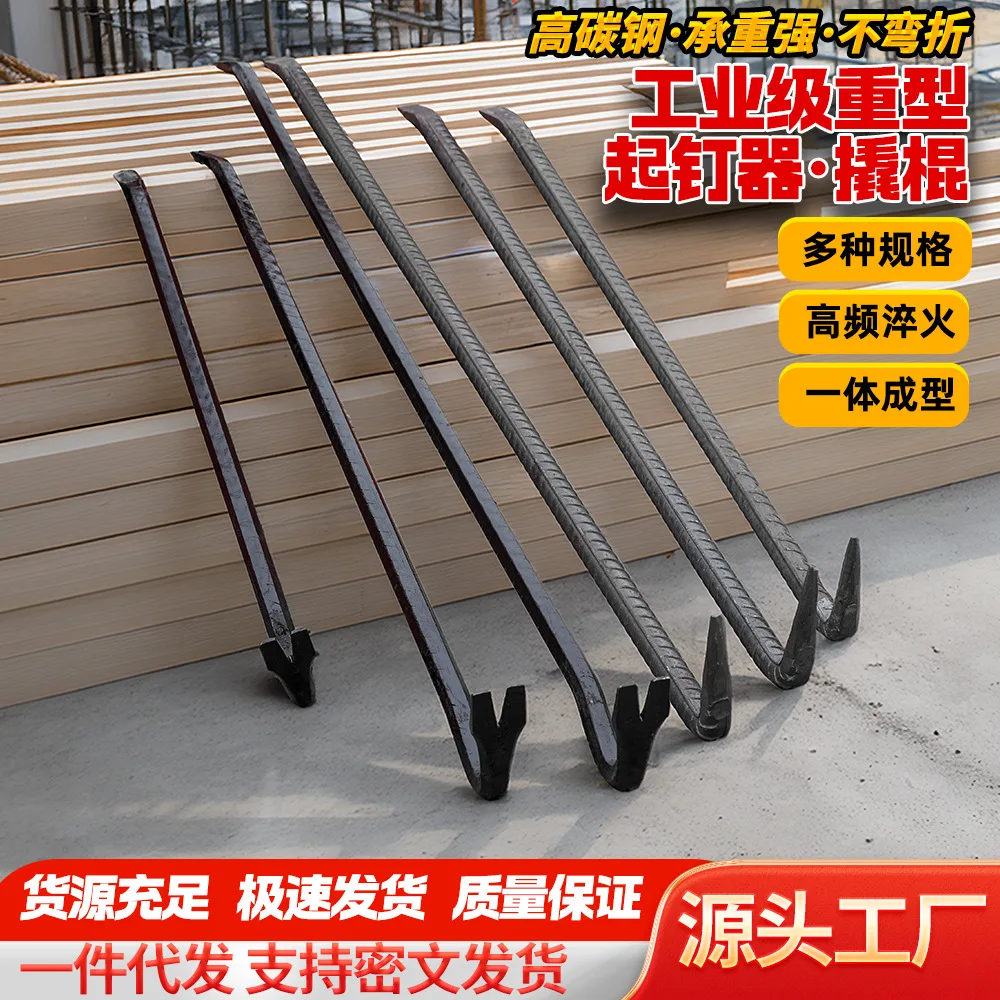
Pry Bars and Nail Pullers: Sizes, Tips and Which to Use
How a nail puller and a pry bar divide the work, what the 100, 120 and 150 mm sizes change, and how to lever a part apart without denting it.
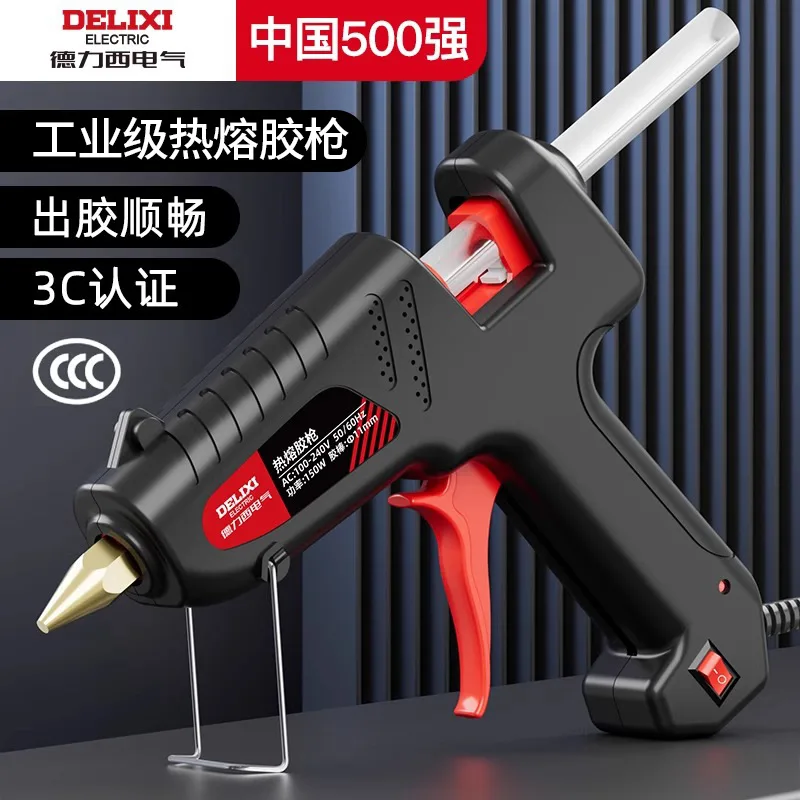
Reading Wattage on a Powered Hand Tool: 40 W to 150 W
What wattage controls on a powered hand tool, how the 40 W to 150 W tiers differ in recovery and duty cycle, and how to avoid paying for power you cannot use.
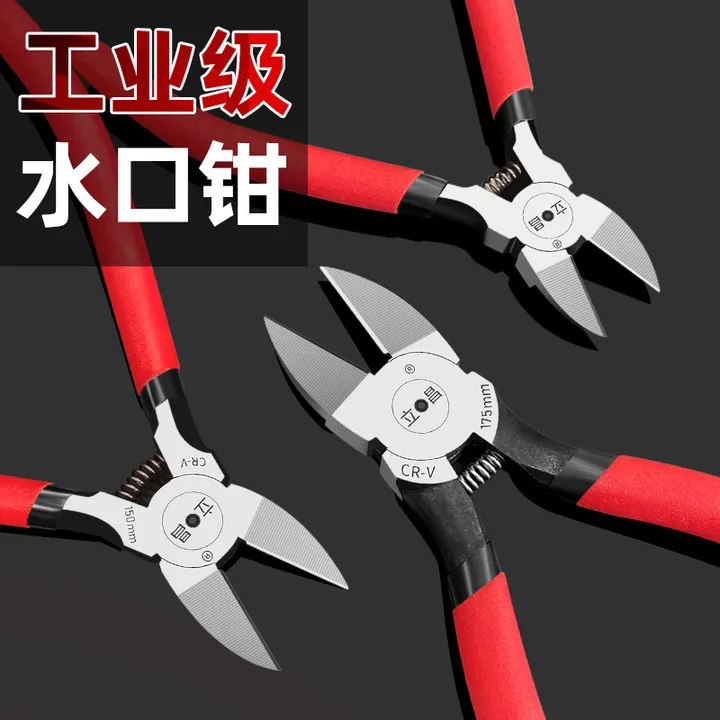
Chrome Vanadium Hand Tools: Sizes, Grades and How to Choose
What chrome vanadium steel does for a hand tool, how 5, 6 and 8 in sizes differ in reach and leverage, and which loads a forged tool should never see.

Paint Roller Sleeve Materials: Blend, Polyester and Microfibre
How blend, polyester and microfibre sleeves differ in paint release, finish and cleaning, and how to choose a sleeve that suits the paint you use.

Steel Stamp Set Sizes: How to Read 80*10*5, 105*10*4 and More
What the three numbers on a steel stamp code mean, how character size decides legibility, and how to strike a mark that stays square and readable.

Paint Rollers: Sleeve Nap, Width and Finish Quality
How paint roller nap length decides the finish, which roller width suits each area, and how to load and roll an even coat.