Blog
Scraper Sets: Pointed and Flat Blades for Removal Work


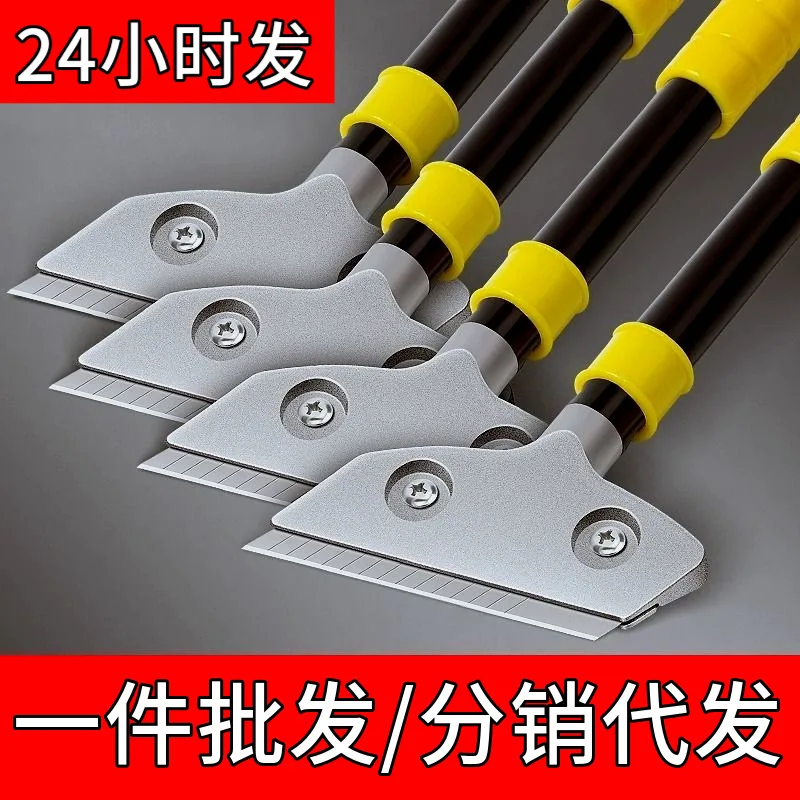
A scraper set earns its place the first time a job needs a shape you do not own. Flat blades clear a surface, pointed blades dig into a corner or a groove, and narrow blades follow a seal line without cutting into the housing beside it. Buying one at a time means the job waits for a delivery; buying a set means the right shape is already in the box. The sets here run from small five-piece kits to nine-piece sets, along with individual pointed and plastic scrapers for work where a steel edge would do damage.
Why the shape matters more than the size
- Flat blade. The general-purpose shape. It clears adhesive, paint and sealant from a flat surface and can be pushed with the flat of the hand.
- Pointed blade. Reaches into a corner, a groove or a joint line where a flat blade cannot start a cut.
- Narrow blade. Follows a seal or a gasket line without touching the machined face either side of it.
- Plastic blade. Lifts adhesive and trim from painted, anodised or soft surfaces without leaving a scratch.
- Blade thickness. A thin blade slides under a seal with almost no gap. A thick blade is stiffer and takes more force before it bends.
- How the blade is held. A blade that is fixed to the handle transfers force directly. A blade that is clamped can be changed and sharpened.
Shape against the job
| Shape | Best at | Typical material | Limit |
|---|---|---|---|
| Flat steel blade | Clearing large areas of adhesive, paint, sealant | Metal, tile, concrete, glass | Marks soft or painted surfaces |
| Pointed steel blade | Corners, grooves, joint lines | Metal and hard surfaces | Point breaks if levered |
| Narrow blade | Seal and gasket lines | Machined faces and flanges | Slow over large areas |
| Plastic scraper | Trim, decals, adhesive on finished surfaces | Paint, plastic, anodised metal | Wears quickly on hard material |
| Set of mixed shapes | Whatever the job turns out to need | General workshop removal work | More tools than one job uses |
The practical rule is to start with the softest tool that will do the job. A plastic scraper that shifts the adhesive costs nothing to replace. A steel blade used on the same painted panel costs the paint, and the repaint costs far more than the tool.
The scrapers in this guide
Every option in this range
Seventeen configurations: individual pointed and plastic scrapers, and sets from five pieces up to nine. Prices are per unit or per set as described.
| Option | Type | Supplied as | Best for | Price |
|---|---|---|---|---|
| Plastic pointed scraper | Plastic blade | Single tool | Adhesive on painted and plastic surfaces | $8.99 |
| Plastic pointed pair | Plastic blade | Two tools | Keeping two shapes to hand | $8.99 |
| Pointed scraper | Steel blade | Single tool | Corners and joint lines | $10.30 |
| Pointed scraper, second pattern | Steel blade | Single tool | Grooves and narrow gaps | $10.30 |
| Fine pointed scraper | Steel blade | Single tool | Fine removal work | $10.86 |
| Fine pointed scraper, second pattern | Steel blade | Single tool | Detail work on hard surfaces | $10.86 |
| Two-piece set | Mixed | Set of two | A single job with two shapes | $14.98 |
| Four-piece set | Mixed | Set of four | General workshop removal work | $26.22 |
| Single from four-piece range | Mixed | Single tool | Replacing one shape from a set | $26.22 |
| Six-piece set | Mixed | Set of six | Bench work with several shapes | $26.22 |
| Eight-piece set | Mixed | Set of eight | Workshop kit covering most jobs | $26.22 |
| Five-piece set | Mixed | Set of five | The practical starter set | $26.97 |
| Five-piece set, packed | Mixed | Set of five, boxed | A set that stays together | $26.97 |
| Five-piece pointed set | Pointed | Set of five | Pointed work only | $26.97 |
| Seven-piece set | Mixed | Set of seven, packed | A full spread of shapes | $26.97 |
| Nine-piece set | Mixed | Set of nine | The widest coverage in the range | $26.97 |
| Nine-piece set, packed | Mixed | Set of nine, boxed | Keeping a full set together | $26.97 |
Look at where the value sits. A nine-piece set costs the same as a single pointed scraper, so the only reason to buy one tool is that one shape is all the job needs. Where removal work comes up regularly, the set is the cheaper answer.
Using a scraper set well
- Start with plastic on finished surfaces. Lifting a decal or a bead of sealant from paint is exactly the job a plastic blade was made for, and it cannot scratch what a steel blade would mark.
- Use the pointed shape to start, the flat shape to finish. A point gets under the edge of the material, then a flat blade takes the rest of it off in one movement.
- Warm stiff adhesive. A little heat from a hot air gun softens sealant and adhesive enough that the blade lifts it cleanly instead of tearing it into strips.
- Keep the blade flat to the surface. A shallow angle lifts. A steep angle digs, and a dig on a machined face is permanent.
- Guide with two hands. One hand on the handle and one steadying the blade keeps the point where it is supposed to be at the moment the material releases.
- Do not lever a point sideways. A pointed scraper is for entering a gap, not for prying a component out of one.
Materials and how they behave
Steel blades hold an edge and take the force of a stubborn job. They also transfer that force into whatever is underneath, which is why they belong on hard surfaces: concrete, tile, metal, glass and unpainted timber. On a painted panel, a steel blade will lift the paint along with the adhesive more often than not.
Plastic blades are the opposite trade. They wear quickly and cannot be used to shift anything set hard, but they do no damage to the surface beneath. For trim work, decal removal and any job on a visible finished face, the plastic scraper is the one that saves a repair.
Blade thickness matters as much as material. A thin blade slides under a seal where a thick blade cannot start, which is why a set with several thicknesses is more useful than several scrapers of the same weight. Where a blade is blunt, a light pass on a fine stone restores it, provided the edge has not been bent by levering.
Frequently Asked Questions
How many scrapers do I actually need?
A flat blade, a pointed blade and a plastic scraper cover the great majority of removal work. A set is worth it where the shapes are used regularly.
Will a steel scraper damage a painted surface?
It can lift the paint along with whatever is being removed. Use a plastic scraper on any finished or visible face.
What is a pointed scraper for?
Starting a cut in a corner, a groove or a joint line where a flat blade cannot get under the material.
Can the blades be sharpened?
Steel blades can be touched up on a fine stone. A blade that has been bent by levering should be replaced rather than straightened.
Is heat safe to use when scraping?
On most adhesives and sealants a gentle warm is fine and makes the job easier. Keep the heat low and away from fuels, plastics that soften easily and painted surfaces.
Buying the right one
Choose the set that covers the shapes your work turns up, and keep a plastic scraper for anything with a finished surface. The scraper sets in this range run from a two-piece kit up to a nine-piece set.