Blog
Small Tool Boxes: What They Hold and Where They Belong

The most useful tool box in a workshop is usually not the largest. A compact box is light enough to carry, small enough to put down where the work is, and limited enough that it stays organised. A large box that is awkward to lift tends to stay on a shelf with all the tools inside it, which defeats the purpose.
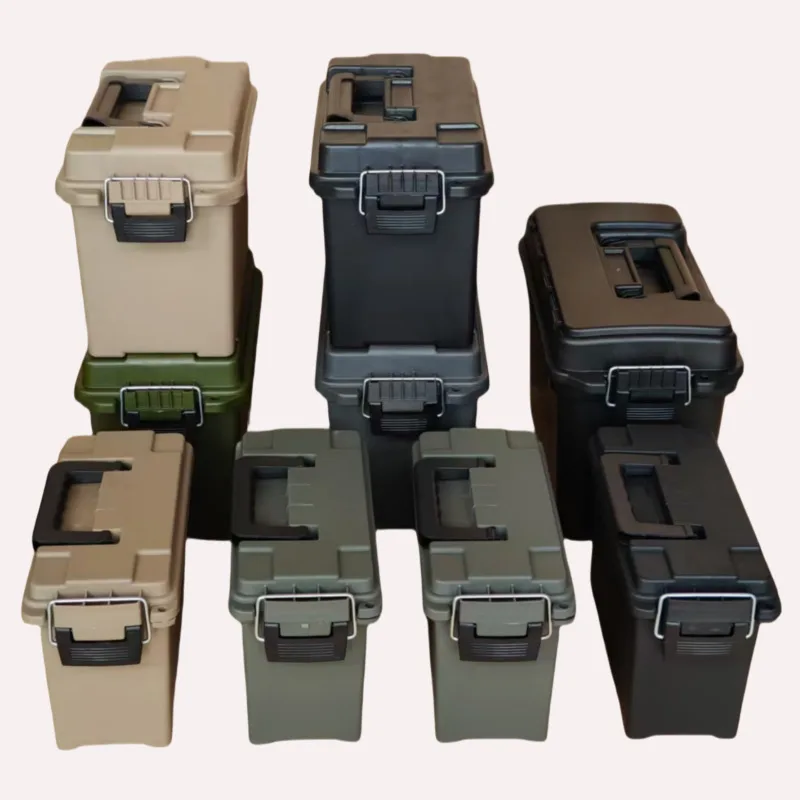
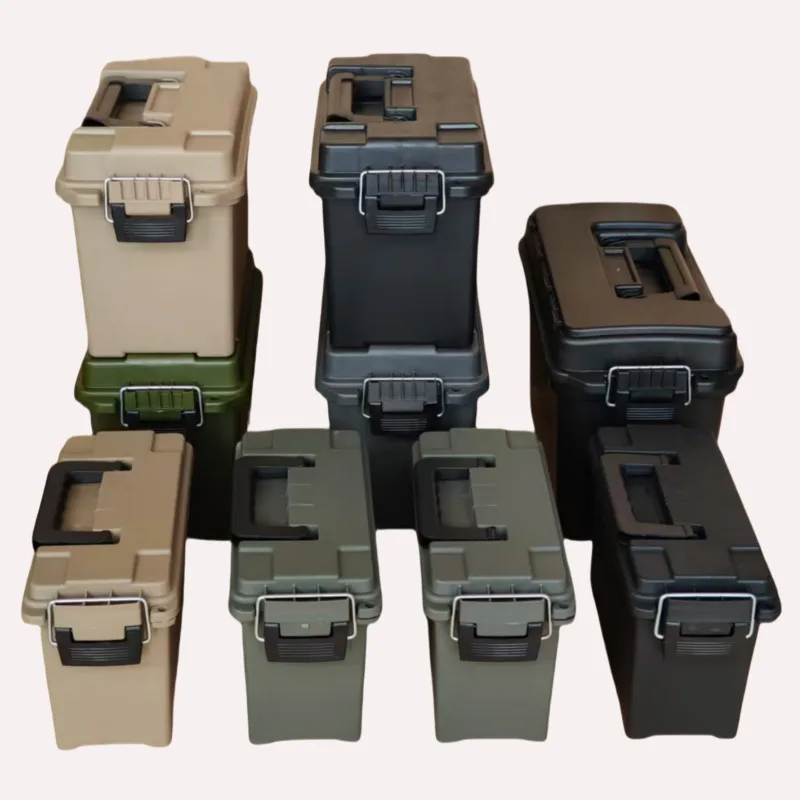
This range covers a compact moulded box in three finishes at $8.99. This guide looks at what a small box realistically holds and how to choose between a compact box and the next size up.
What a small box actually holds
A compact box takes a working kit rather than a full collection. What it holds is decided less by the volume than by the length of the longest tool and the space the tray takes up, and both are worth measuring before buying.
| Contents | Fits in a compact box? | Note |
|---|---|---|
| Screwdriver set and pliers | Yes, comfortably | The classic compact kit |
| Tape measure and a knife | Yes | Alongside the above |
| A few spanners | Yes, if they are short | Long spanners set the minimum box length |
| Small hammer | Usually, in the base | Takes a good part of the depth |
| Hand saw | No; needs a longer box | The tool that decides a box size |
| Cordless drill and charger | No; needs a full-size box | Better in a box of its own |
The hammer and the saw are the two tools that decide whether a compact box is enough. A kit of screwdrivers, pliers, a knife and a tape fits easily; the moment a hammer is added the box has to be a size up, and a hand saw needs a box large enough to lay it flat.
Why a compact box gets carried
A box that is easy to carry is a box that goes to the job, and that changes how work is done. Carrying a compact box to the work instead of returning to a bench for each tool saves a surprising amount of time, and it means tools are less likely to be left lying on the floor where they get kicked or lost.
| Box size | Typical contents | Carried easily? |
|---|---|---|
| Compact | Screwdrivers, pliers, knife, tape | Yes, one handed |
| Mid size | The above plus a hammer and a small saw | Yes, but not all day |
| Full size | A complete hand tool set | Best left in one place |
| Mobile box | A full set plus power tools | Wheeled rather than carried |
The pattern is that the box people actually use is the smallest one that holds the tools for the job in hand. A workshop with one large box and one compact box covers more situations than a workshop with two mid-size boxes, because the compact one is the one that travels.
Small tool boxes in this range
Every option in this range
A compact moulded tool box with a hinged lid, a catch and a lift-out tray, in three finishes. Prices are per box.
| Finish | Detail | Price |
|---|---|---|
| Green | Compact moulded body, lift-out tray | $8.99 |
| Grey | Compact moulded body, lift-out tray | $8.99 |
| Black | Compact moulded body, lift-out tray | $8.99 |
All three finishes cost the same, so the choice is about visibility. A light colour is easier to find under a bench and shows less dust, while a dark one hides grease marks; neither affects the box.
Keeping a small box usable
- Keep the tray for small parts instead of tools, so screws and bits do not settle to the bottom.
- Lay tools so the handle ends are together, which makes a tool visible rather than buried.
- Resist adding a second hammer; the weight is what stops a compact box being carried.
- Empty the box out every few months and remove anything that belongs elsewhere.
- Latch the box before lifting it, since the catch carries the whole load.
- Keep the box dry, as damp tools rust quietly inside a closed plastic box.
Compact box or the next size up
The decision comes down to one measurement and one habit. The measurement is the length of the longest tool the box has to take, allowing for the tray above it; the habit is whether the box will travel or stay on a shelf. A box that travels should be the smallest that takes the tools for the job, and a box that stays put can afford to be larger.
In practice most workshops end up with both: a compact box for jobs away from the bench and a larger one for storage and for jobs that need a saw or a drill. The compact box is the one bought twice, because it is the one that gets used and eventually worn out, while the large box lasts a decade on the same shelf.
Weight, and the reason a box gets left behind
The weight of a full tool box is almost always underestimated. Steel tools are dense, and a compact box filled with screwdrivers, pliers, a hammer and a tape measures considerably more than it looks. That is the practical limit on a box that is meant to be carried: it is not the volume but the kilograms, and a box carried in one hand across a site becomes tiring well before it is full.
The useful approach is to treat the compact box as a kit for one kind of work rather than a container for everything. A kit for electrical work, a kit for plumbing and a kit for hanging doors each fit comfortably in a compact box, and each is light enough to carry. A single box holding all three becomes immovable, and the tools in it are the ones used least.
Frequently Asked Questions
What should go in a small tool box?
A working kit: screwdrivers, pliers, a knife, a tape and the fasteners for the job. Keep the tray for small parts so they do not disappear into the base.
Is a small box worth having if I already own a large one?
Yes. The compact box is the one that travels to the work, which is why it often ends up being used more than the large one.
What is the largest tool a compact box takes?
Usually a small hammer laid in the base. A hand saw needs a longer box, and that is the point at which to move up a size.
Will a small box take a cordless drill?
Generally not with its charger. A drill is better kept in a full-size box or a case of its own.
Do the colours cost more?
No. The three finishes are the same price, so choose on visibility and preference.
Choosing the right size
Measure the longest tool and decide whether the box will travel. The compact tool box in this range comes with a lift-out tray in three finishes.