








Frequently Bought Together


More in This Category


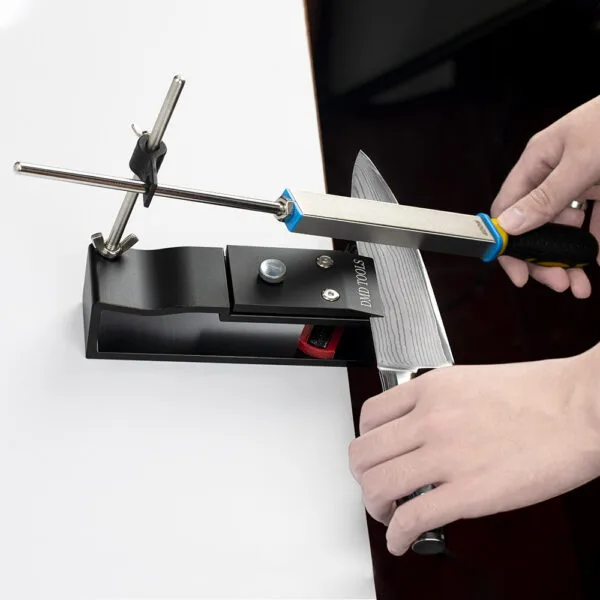
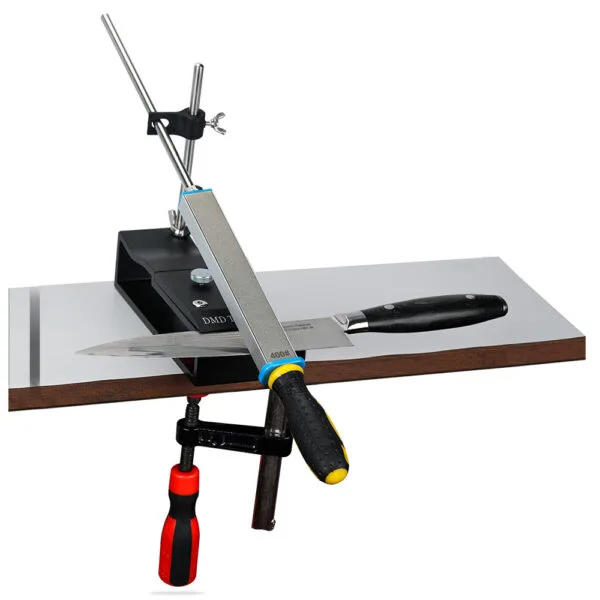



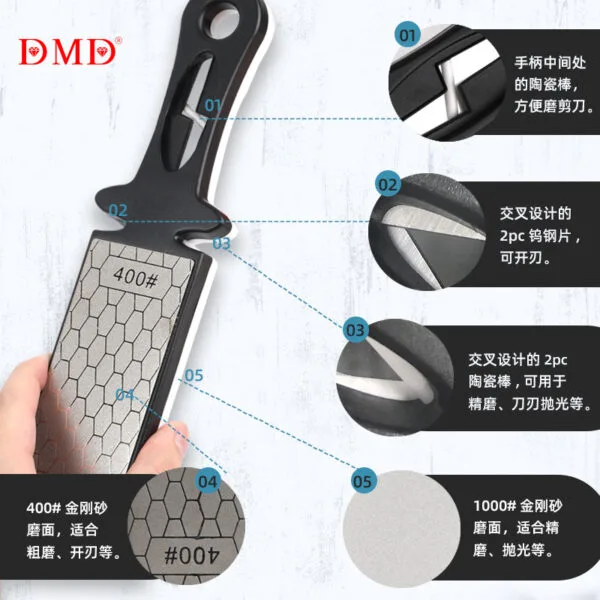
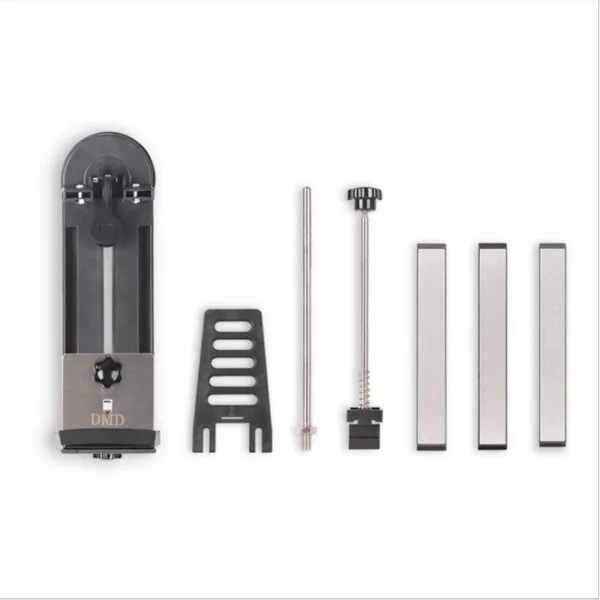

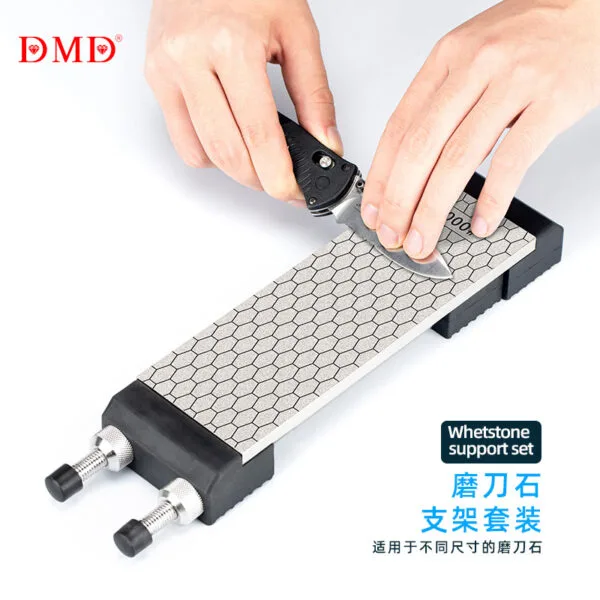
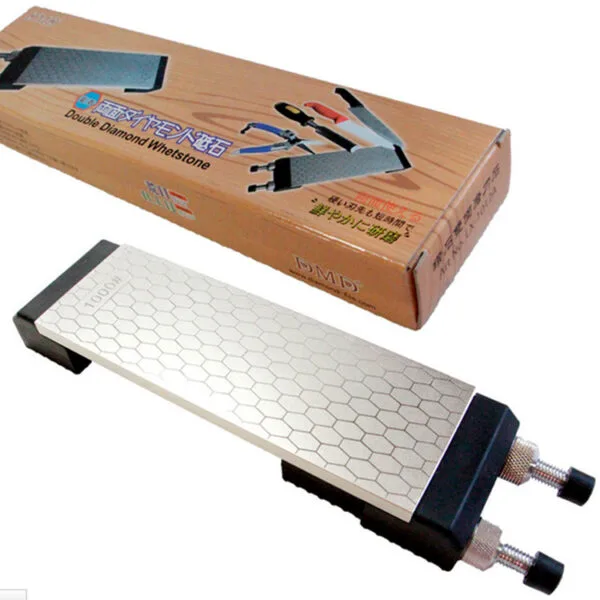
DMD Fixed-Angle Knife Sharpener with Three Diamond Stones, 1598, 1599 and 1699
Price range: $8.99 through $23.32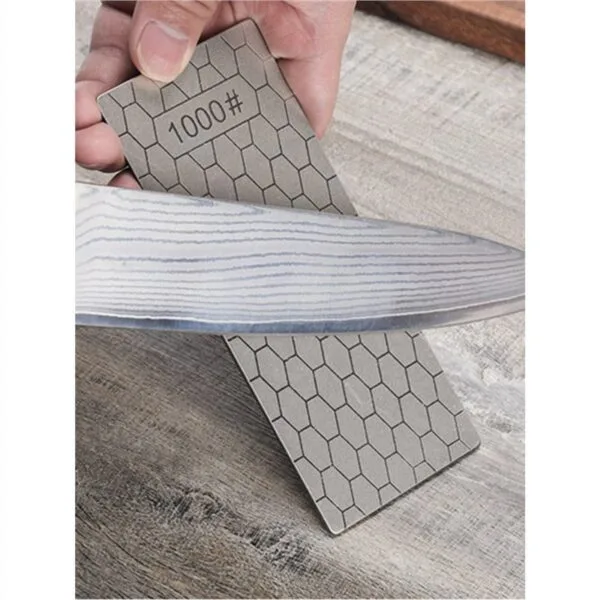
Diamond Honeycomb Sharpening Pad, 150 x 60 mm, 80 to 3000 Grit, Single or Set
Price range: $8.99 through $26.22


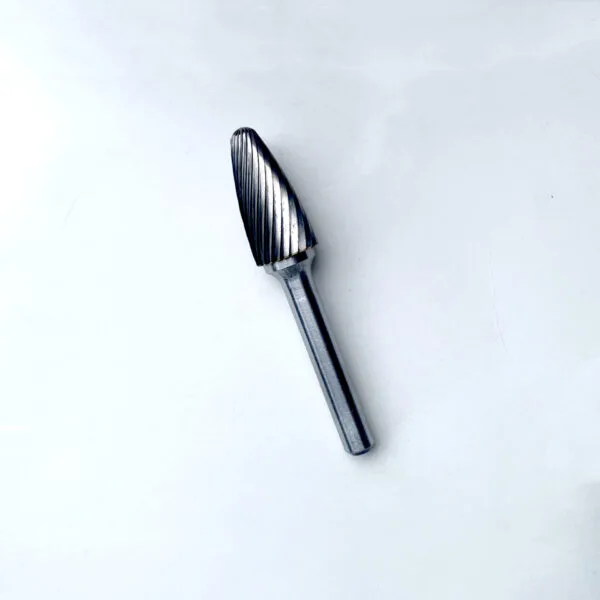
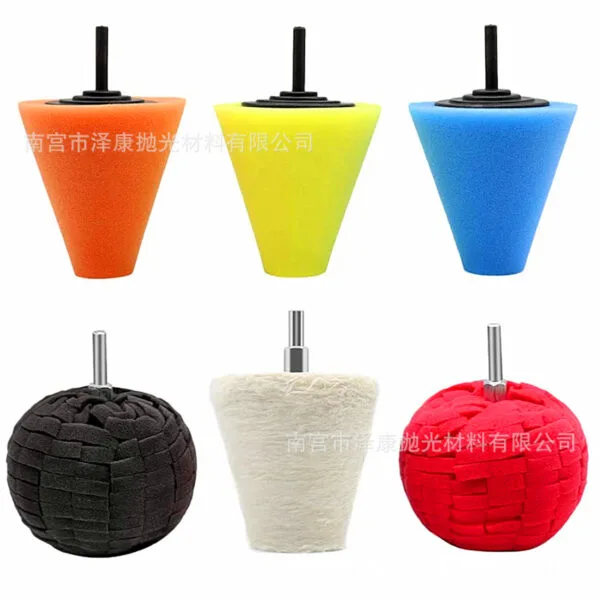
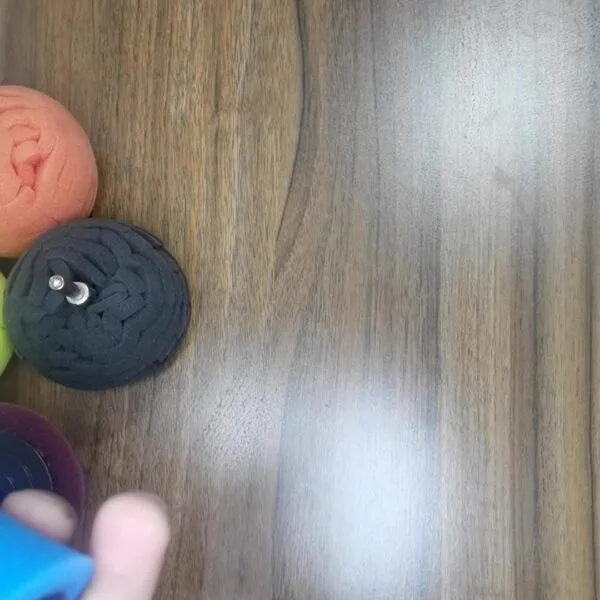
Tapered Polishing Wheel for Auto Interiors, Sponge, 6 mm (0.24 in), Clamp Handle
Price range: $11.99 through $35.99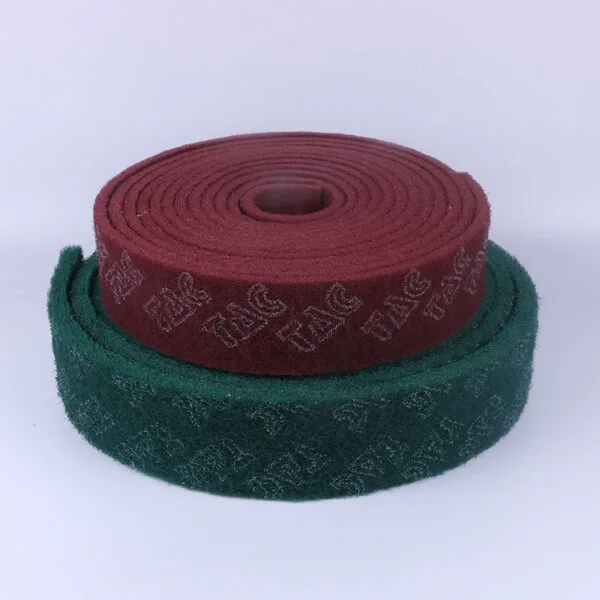
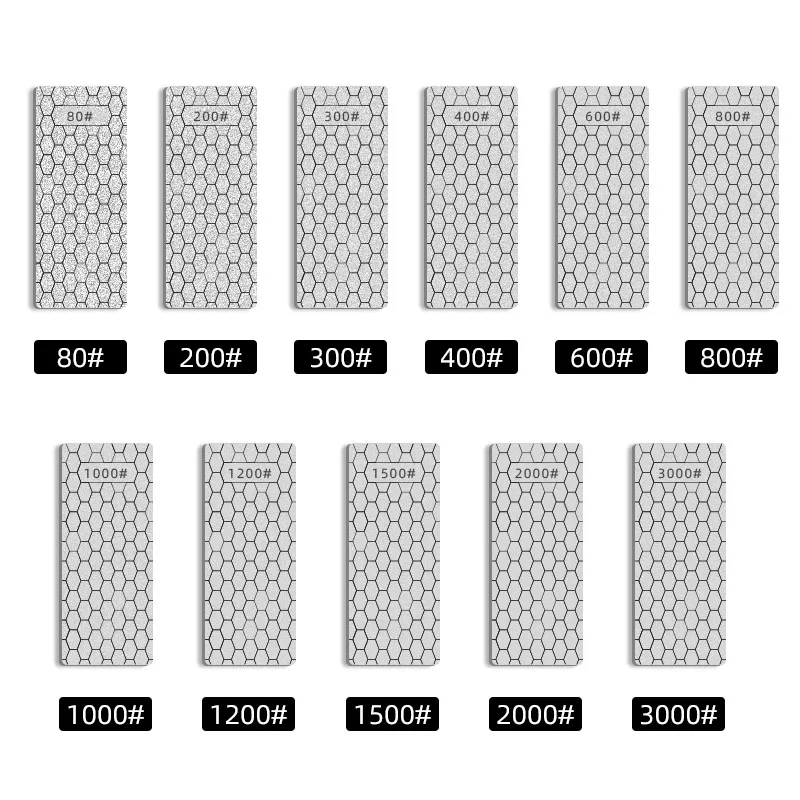
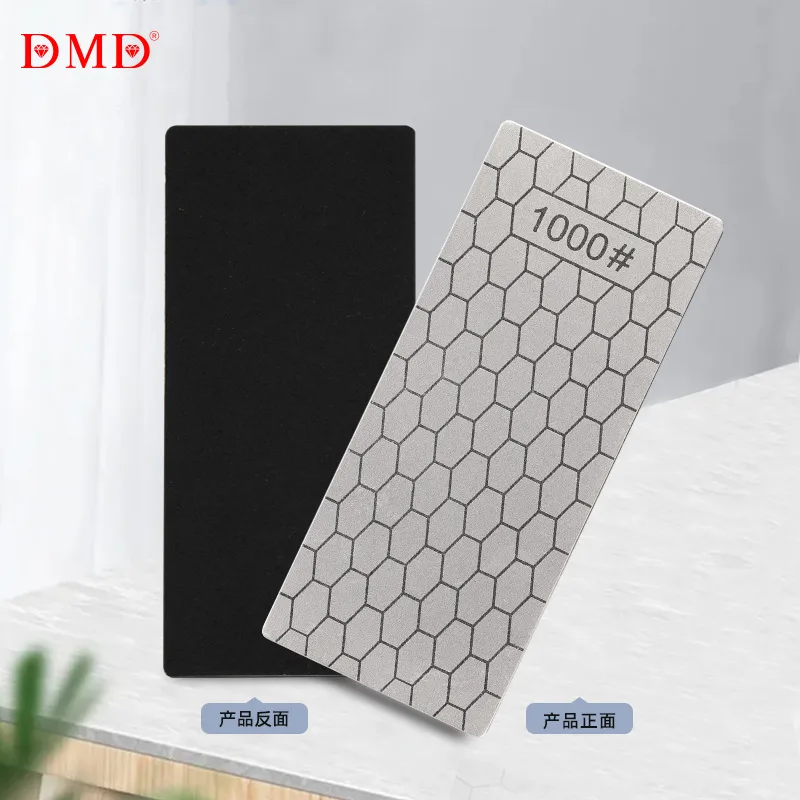
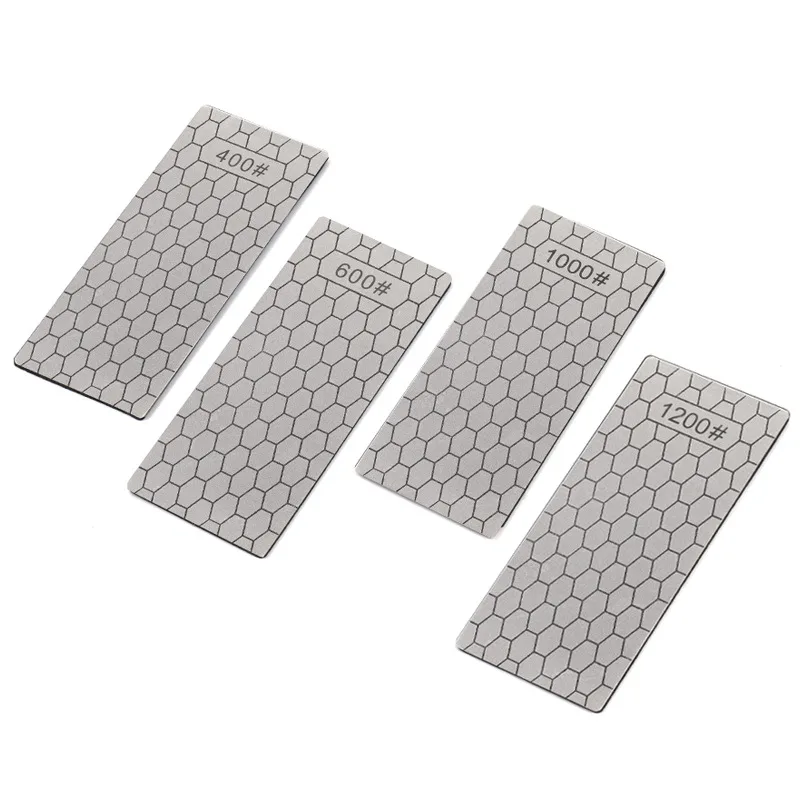
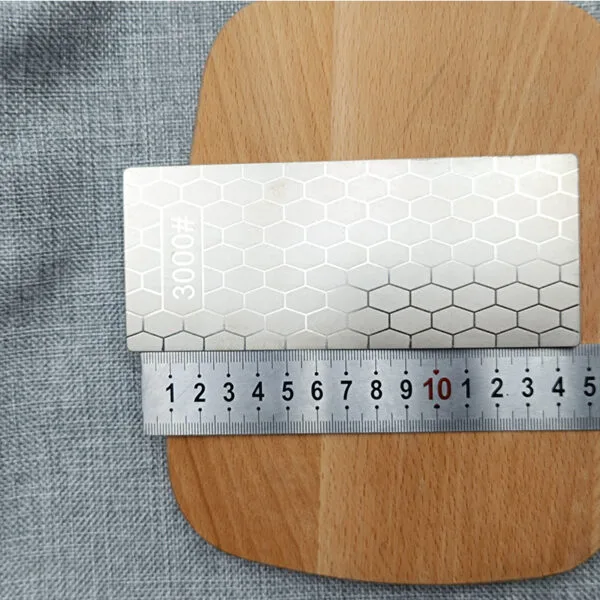
An electroplated diamond plate cuts faster than a waterstone and stays flat, which is why it suits tool repair and any edge that has to be brought back rather than maintained. This one is single-sided, 150 x 63 mm, in ten grits from 200 to 3000, and it works dry or with a splash of water.
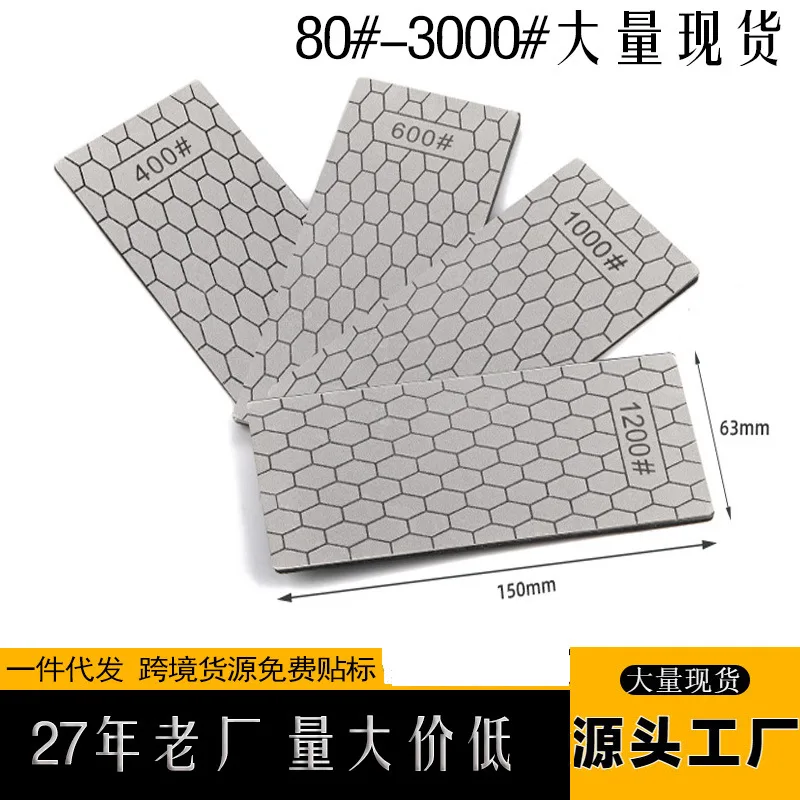
Diamond Sharpening Plates: Overview
The abrasive is diamond held in a nickel plating on a flat steel blank. Diamond is harder than any blade steel, so the plate keeps cutting when a waterstone would have glazed over, and it stays flat because there is nothing to hollow out.
The range covers three jobs. The 200 and 300 grit plates reset a bevel, remove a chip or flatten the back of a chisel. The 400 to 800 plates do the shaping work on a dull edge. From 1000 to 3000 the plates refine and polish, which is what turns a sharp edge into a clean cut.
The 1452 and 1453 prefixes are the two blank sizes in the range; both are 150 x 63 mm, so the difference is the plate rather than the footprint. Each plate is 1 mm thick and about 75 g, so it stores flat on a bench or in a tool roll.
Key Features at a Glance
- 150 x 63 mm plate – a bench-sized sharpening surface.
- 200 to 3000 grit – ten grades from repair to polish.
- Electroplated diamond – cuts fast and stays flat.
- Single-sided – one flat face, no grit to mix up.
- Works wet or dry – use dry, or with water to keep the swarf moving.
- 1 mm thick, 75 g – light enough to carry in a tool roll.
Which Grit to Start On
Repair, shape and polish
Start at 200 or 300 only when there is real work to do: a chipped edge, a blade that has been sharpened badly out of square, or a plane iron that needs its back flattened. These grades remove metal quickly and leave deep scratch that has to be worked out.
Most sharpening starts at 400 or 600, which will bring a dull edge back in a few passes without cutting a new bevel. From there, 1000 and 1500 refine the edge, and 2000 or 3000 is for carving tools, knives and any edge that has to pare cleanly.
Why a flat plate matters
A hollowed waterstone puts a curved bevel on a chisel, and no amount of stropping will make that edge cut straight. A plated plate does not dish, so the bevel stays flat and the back stays true.
Check the plate against a straightedge if it has been used hard, and keep it for sharpening only. Using it to rub rust off a casting will take the diamond points off the surface.
Using and Looking After the Plate
Sharpening on the plate
Hold the blade at a steady angle and use the full length of the plate rather than working one patch. Light pressure is enough: diamond cuts on contact, and leaning on it only wears the plating.
Work through the grits in order, and turn the blade over to check for a burr before moving on. The burr is the sign that the previous grade has done its work.
Cleaning and storage
Rinse the plate and brush the swarf out of the surface after use. A loaded plate polishes rather than cuts, which feels like a blunt blade.
Dry it before it goes away. A plated blank that is left wet in a toolbox will rust at the edges, and store it flat with the diamond face up so nothing drops on it.
Available Models and Prices
| Model | Grit | Series | Plate size | Price (USD) |
|---|---|---|---|---|
| 1000 grit, 1453 | 1000 | 1453 | 150 x 63 mm | $8.99 |
| 600 grit, 1453 | 600 | 1453 | 150 x 63 mm | $8.99 |
| 1200 grit, 1453 | 1200 | 1453 | 150 x 63 mm | $8.99 |
| 400 grit, 1452 | 400 | 1452 | 150 x 63 mm | $8.99 |
| 200 grit, 1453 | 200 | 1453 | 150 x 63 mm | $8.99 |
| 300 grit, 1453 | 300 | 1453 | 150 x 63 mm | $8.99 |
| 800 grit, 1453 | 800 | 1453 | 150 x 63 mm | $8.99 |
| 1500 grit, 1453 | 1500 | 1453 | 150 x 63 mm | $8.99 |
| 2000 grit, 1453 | 2000 | 1453 | 150 x 63 mm | $8.99 |
| 3000 grit, 1453 | 3000 | 1453 | 150 x 63 mm | $8.99 |
All grits are in stock. Prices are per plate in USD.
Specifications
| Type | Single-sided diamond sharpening plate |
| Size | 150 x 63 mm |
| Thickness | 1 mm |
| Grits | 200, 300, 400, 600, 800, 1000, 1200, 1500, 2000 and 3000 |
| Abrasive | Diamond, electroplated on a steel blank |
| Weight | About 75 g per plate |
| Use | Dry or with water |
| Applications | Chisels, plane irons, knives, carving tools, scissors and workshop blades |
| Origin | Jiangsu, China |
| Packed weight (base unit) | 0.265 lb (0.12 kg) |
| Country/region of origin | China |
| Model options | 10 configurations available |
Packaging Information
| Model | Weight (lb) |
|---|---|
| Unit | 0.265 |
Abrasives ship in boxes or cartons. Carton quantities are available on request.
Where It Is Used
Joinery and cabinet shops, carving and woodturning benches, knife makers and sharpeners, kitchens and butchers, and any workshop that keeps chisels, plane irons and knives on the bench.
Choosing an Abrasive
- Match the abrasive to the material: emery and nylon cloth for metal and weld work, coated abrasives for paint and wood.
- Work down through the grades rather than jumping from coarse to fine, which leaves the coarse scratches visible.
- Choose the roll or sheet format by the job – cloth in rolls for weld toes and corners, discs and sheets for flat surfaces.
- Buy trade quantities where the abrasive is a consumable, and keep a coarse and a fine grade on the bench.
Care and Maintenance
Store abrasives dry and flat; a disc or a sheet that has taken on damp will not cut evenly and can delaminate.
Keep rust-removal and finishing abrasives apart, since grain picked up from a rusty surface will scratch the next job.
OEM and Bulk Supply
The supplier prints and labels to order and accepts OEM and ODM work on abrasives and finishing products.
Frequently Asked Questions
Which options are available?
This listing covers 10 options: 1000 grit, 1453; 600 grit, 1453; 1200 grit, 1453; 400 grit, 1452; 200 grit, 1453; 300 grit, 1453; 800 grit, 1453; 1500 grit, 1453; 2000 grit, 1453; 3000 grit, 1453. All are in stock and priced individually.
What is it made of?
Key material: Diamond, electroplated on a steel blank. Other specifications are listed in the Specifications table above.
What is it used for?
Joinery and cabinet shops, carving and woodturning benches, knife makers and sharpeners, kitchens and butchers, and any workshop that keeps chisels, plane irons and knives on the bench.
Can I buy in bulk or with my own branding?
Yes. Own-brand labelling and printed packaging are available on request.
Summary
An electroplated diamond plate cuts faster than a waterstone and stays flat, which is why it suits tool repair and any edge that has to be brought back rather than maintained. Offered in 10 configurations, each priced separately.
Typical use:
Joinery and cabinet shops, carving and woodturning benches, knife makers and sharpeners, kitchens and butchers, and any workshop that keeps chisels, plane irons and knives on the bench.






























Reviews
Clear filtersThere are no reviews yet.